Water is becoming a hot potato of an issue in Greece these days. One sign we saw recently here on Crete read: “If you want water in your taps, turn off that hose.” When we lived on Rhodes it became common in the last few years for whole villages and sections of Rhodes Town to be cut off for hours at a time a few times each week in order to conserve the water supply. Yet all the while they go on building huge hotels with multiple pools and even with their own water parks to amuse the guests’ kids while the parents sip cool beers around the infinity pool unique to their own room. I found myself asking, ‘why has everything got to be so BIG these days?‘
Back in the good old days of holiday brochures (you remember those, when we used to get home in late September, then immediately make a beeline for the travel agent to pick up a clutch of next year’s because they were already on the shelves) I seem to remember that even hotels were modestly sized. I mean we never stayed in hotels if it were humanly possible to avoid them anyway, but even if there were some in the ‘resort’ where we would stay, they’d be set in modest gardens and quite unobtrusive to the area in general. They’d have a maximum of maybe only twenty rooms. In fact, here in Greece they were almost more often a glorified collection of rooms and studios, the only thing leading them to be described as a ‘hotel’ being the fact that they had a little reception desk and they served up a continental breakfast for those who wanted it. Lots of them didn’t even have a pool, or if they did, it wasn’t much bigger than the type you see in some peoples’ gardens.
This past few decades though, it seems that (and I’d wager it’s largely down to this whole ‘All Inclusive’ phenomenon) hotels in particular have been getting bigger and bigger. Hotels in the 21st century all seem to me to resemble massive villages. They have hundreds of rooms and loads of pools, they have multiple restaurants and faux-tavernas set in their extensive manicured gardens. They have their own exclusive beaches where only people with the correct armband can avail themselves of a drink from the chic beach bar that’s set up exclusively for the use of the guests. You even see staff going around the place in golf carts, the grounds are that huge, and the buildings so many. You know what? Such edifices, such altars to mass tourism, are primarily for the making of huge profits and not for the enriching of the travel experience of the punters, that’s how I see it.
On top of that, they are a disaster for the environment too. Over the almost two decades that we’ve lived here in Greece, we’ve seen hundreds of stremmata (the Greek measurement of land area, equivalent to 1,000 square metres) which once were wild land, eaten up by these immense monstrosities. Vast car parks and turning areas for coaches create water run-off issues during the winter months too, ironically. Wildlife and wild plants disappear, and no one seems to notice. Where we used to live in Kiotari, Rhodes, we found a lovely patch of Sea Lavender growing on a sloping hillside only a hundred metres or so from the unspoilt nearby beach. Sea Lavender is a beautiful plant which grows to maybe two feet in height and, when picked (leaving the rootstock in the ground, of course), will keep its gorgeous rich purple colour long after it’s dried out in the vase. In case you don’t know what it looks like here it is…

Sea Lavender is not all that easy to find in the wild these days, sadly. The only patch we ever saw during 14 years on Rhodes was the one I refer to above. The problem was, the plants were growing only metres from the existing perimeter fence of a large hotel, and the hotel’s owners had expansion plans. We watched helplessly as the bulldozers moved in and another hundred stremmata of wild land disappeared under the newly expanded hotel complex. The sea lavender never stood a chance.
The water problem is ironic isn’t it; I mean here we are on an island surrounded by an inexhaustible supply of the stuff, yet on land the drinkable version is becoming more and more scarce. The tiny island of Halki, where we not only passed some idyllic short breaks while living on Rhodes, but I also visited several times a week during the high season in my job as an excursion escort, solved their acute water shortage some years ago now. When I first set foot there, we’d often tie up the small ferry on which my guests and I had made the crossing from Rhodes at the stone jetty in Nimborio, the only settlement on the whole island, to see a huge rusting hulk of a tanker occupying most of the waterfront. It was the water supply ship that came in from Kalathos Bay on Rhodes, stopping off at Halki and other islands too (I think Symi may have also been on the route, but my memory about that’s not what it was these days). That ship would come in a few times a week, responding to a request from the island’s mayor when they knew that supplies of drinking water were running low. It was unsightly, to say the least, and could have benefitted from a rub down with some emery paper and a good coat of paint, and it would stay tied up to the quay for several hours while water was pumped from its hold to a concrete reservoir on the hillside above the village.
Discussions began, easily more than ten years ago now, with the community of Halkiots living in Tarpon Springs, Florida USA, where more people with roots on Halki now live than actually still live on the island. These Greeks, whose ancestors had emigrated to the USA when the sponge diving industry died in the Dodecanese Islands in the early 1900’s, were always looking for ways to send financial help to their relatives back on Halki. The outcome was that, with help from the Tarpon Springs Greeks, and a 5-year loan from the bank, Halki constructed its own desalination plant in a quiet bay where it would be unnoticed by residents and visitors alike, just a couple of kilometres around the coast from the harbour. The investment was substantial, but since I got the story from the then mayor of the island, and he said that they’d pay thousands of Euros for every visit of the ‘water boat’ from Rhodes, they knew that within five years the plant would have paid for itself and the islanders would have an endless supply of good quality drinking water from then on.
I well remember the poor pressure in a Halki tap while trying to wash my hands after a visit to a taverna lavatory. I also remember that the water that came out of the taps wasn’t at all enjoyable to drink either. I was on the island one summer’s day and talking to Manoli, the Mayor and son of Lefkosia, whose taverna was named after her, when there was no water at all, for it had run out before the boat could get there. Not long after that I remember also remarking to him that I couldn’t believe how the water pressure had improved. It fair gushed out of the tap while I washed my hands. Smiling, he told me that the desalination plant was now commissioned, on-line and supplying the islanders with fresh, potable water at a good pressure. That was when he told me about the financial plan for the project.
The reason why I’m banging on about Halki is that I fail to understand how a small island like that can fix the problem, yet wealthy islands like Rhodes can’t. Decades ago there was a desalination plant installed on Symi, but it was only a short time before tourism really began to take off. If you’ve been to Symi you’ll have seen the square at the back of the bay, just behind the small bridge in the corner of the harbour. Guess what, that was where they’d installed the plant. Dosy or what? Of course, they realised very quickly once tourism began to gather momentum that it was an eyesore and so it was soon dismantled again, the parts stored away in some shed or other, and forgotten about. From that time on they resorted to ordering their water by boat from Rhodes again. Someone may correct me, but the last time I checked, Symi still didn’t have its own operational desalination plant.
Going back to the thought about holiday brochures, maybe my memory’s defective, but I’m sure that most of the accommodation on offer back then was village rooms, studios, apartments and villas. I don’t remember ever seeing huge faceless hotel complexes in them, and, of course, ‘All Inclusive’ still hadn’t been thought up. Can’t help wishing that it never had been either. Even here, in this still quiet little backwater of Crete where tourism is still a long way behind the coastal strip from Malia to Chania, things are subtly changing. A few km outside Ierapetra heading East they’ve opened a hotel that reminds me (sadly) of the ones that Rhodes is now bursting with. It seems that they always want to build them on what in the UK would be called ‘greenfield sites’ too. But the worst thing of all is, why do they have to be so flamin’ big? I know, I probably already know the answer to that one, it’s because it makes more money for the owners to ship people in larger numbers. So the planes get bigger and more frequent, and the airports become inadequate and they build bigger ones, like they’re doing right now on Crete. The new airport that’s eating up a whole stack of stremmata in the hills above Heraklion is due to open in 2027 I believe. It’ll open up the South coast of the island and slowly start to wreck the remote beauty of that whole area, I fear. It’ll turn Siteia which is still just about a hidden gem into a theme park in time, and they have their own modest airport there anyway.
We can’t go back in time. We can’t halt ‘progress,’ if that’s what we’re supposed to call it, but this relentless drive to build everything bigger and (supposedly) better does depress me. Sorry to be on a downer folks. Just trying to be realistic. Next post I’ll be as cheery as usual, promise!! I know, how about a couple of photos to cheer us up?
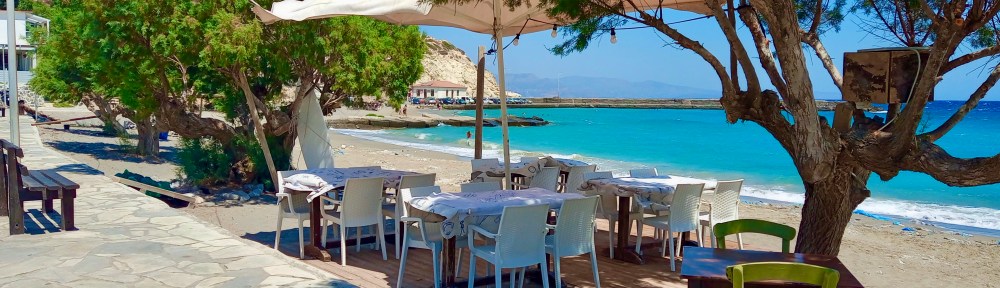
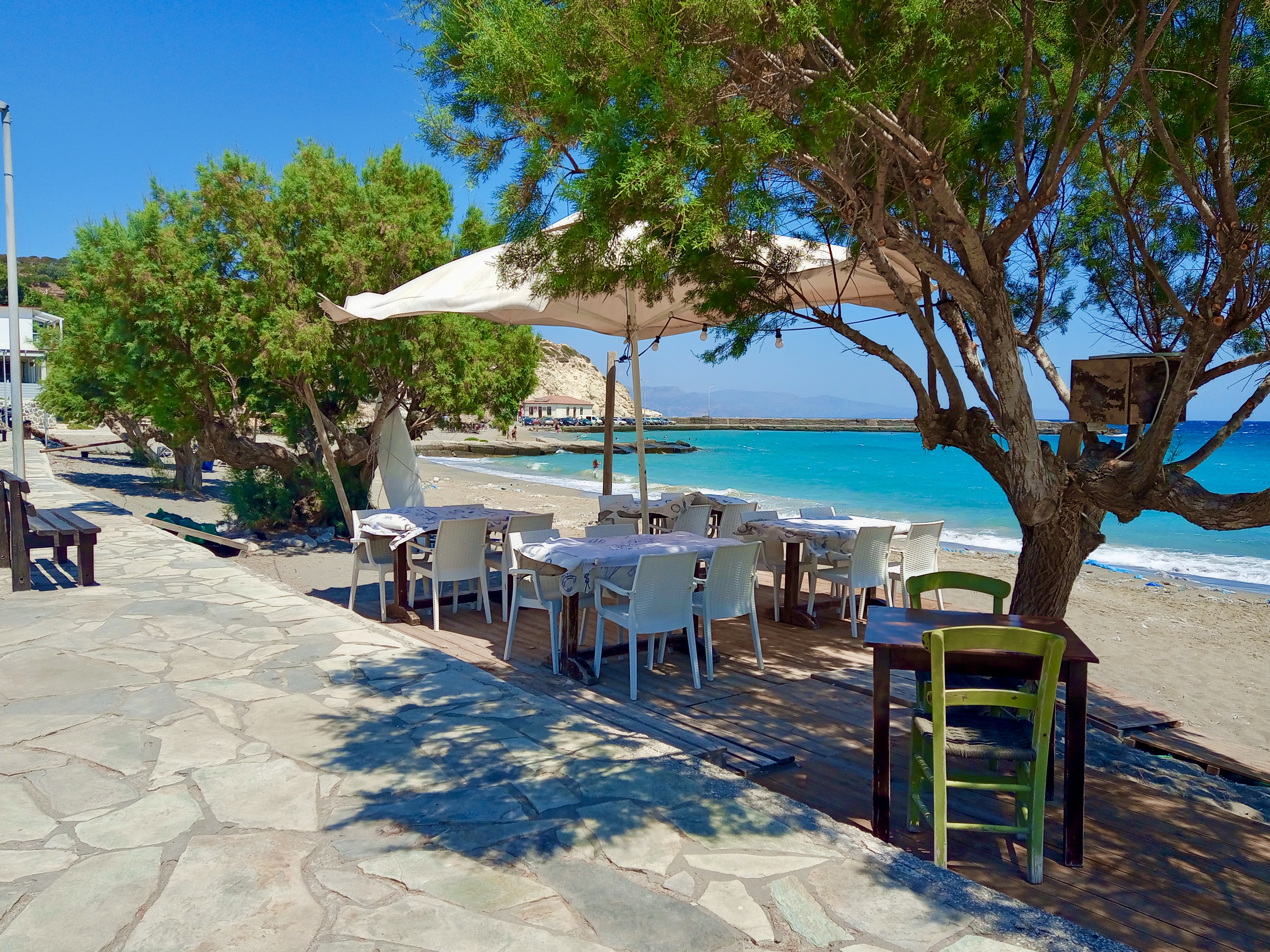
By the way, before we get to them, the one at the top of this post was taken on Sunday at Pachi Ammos, where it was very windy, but that was good because it helped us cope with the temperature. Now Pachi Ammos, in case you’re interested, is still a quiet, essentially “Greek” place to stay BTW. Right, here we are then…
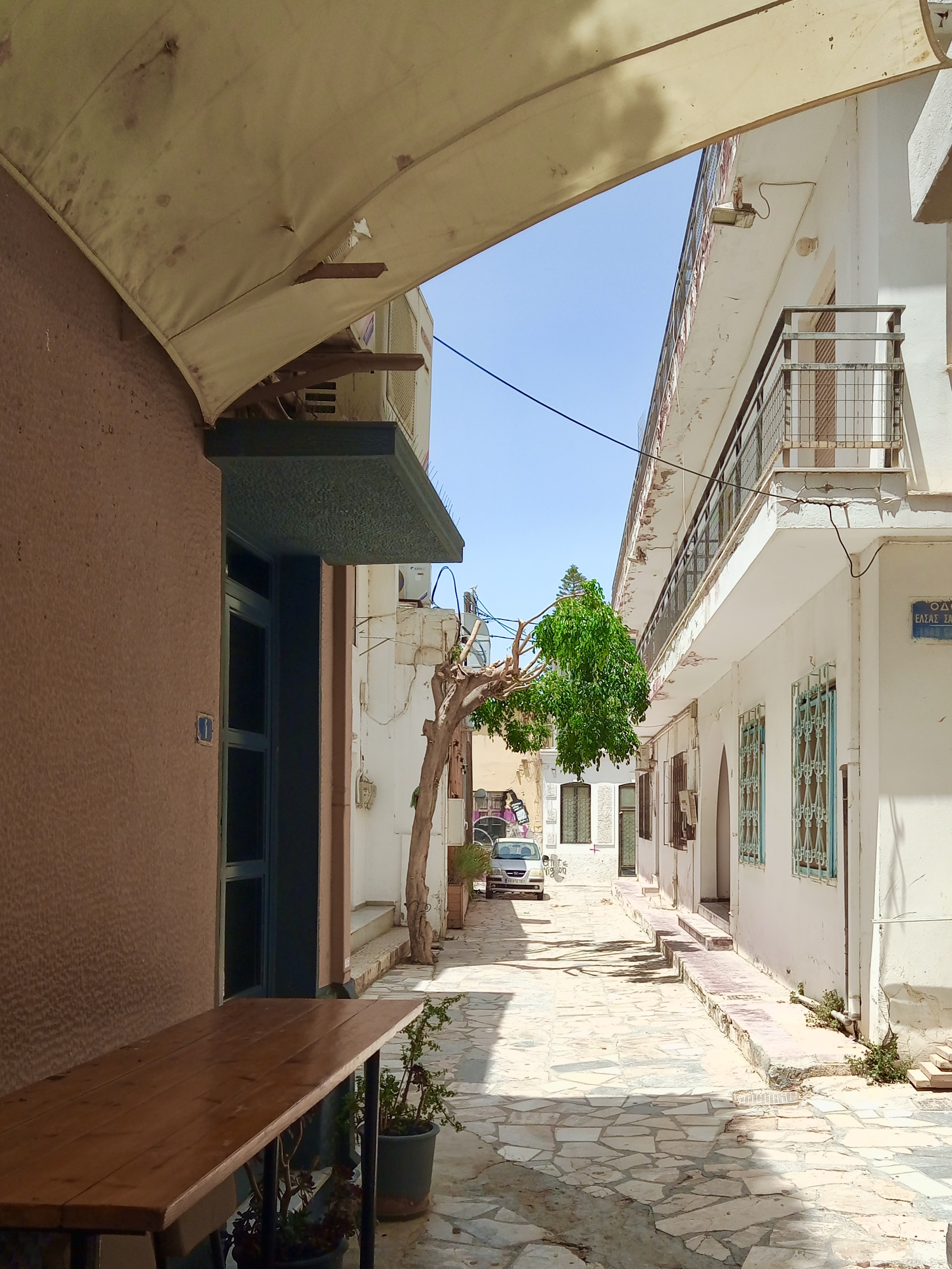
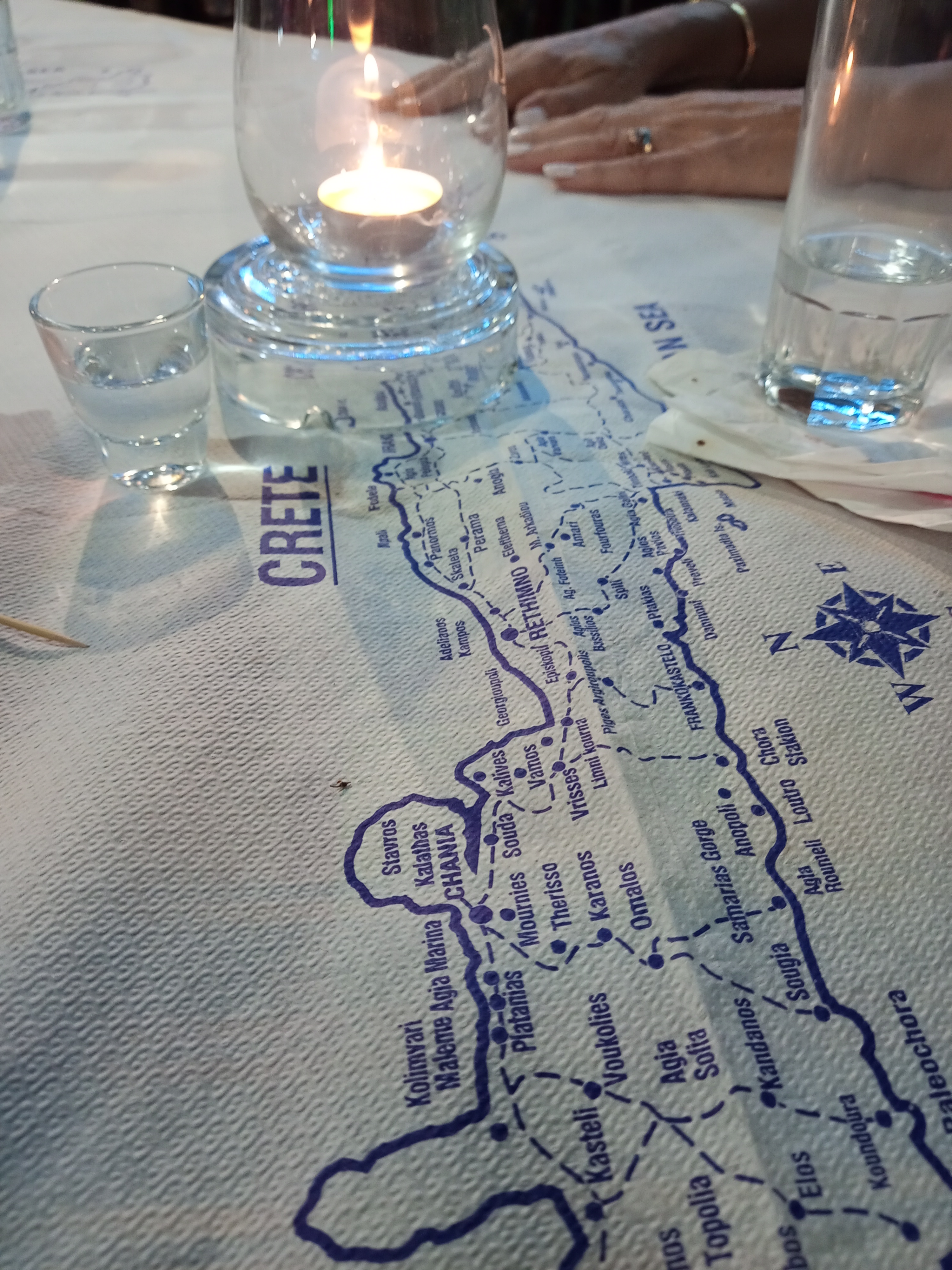
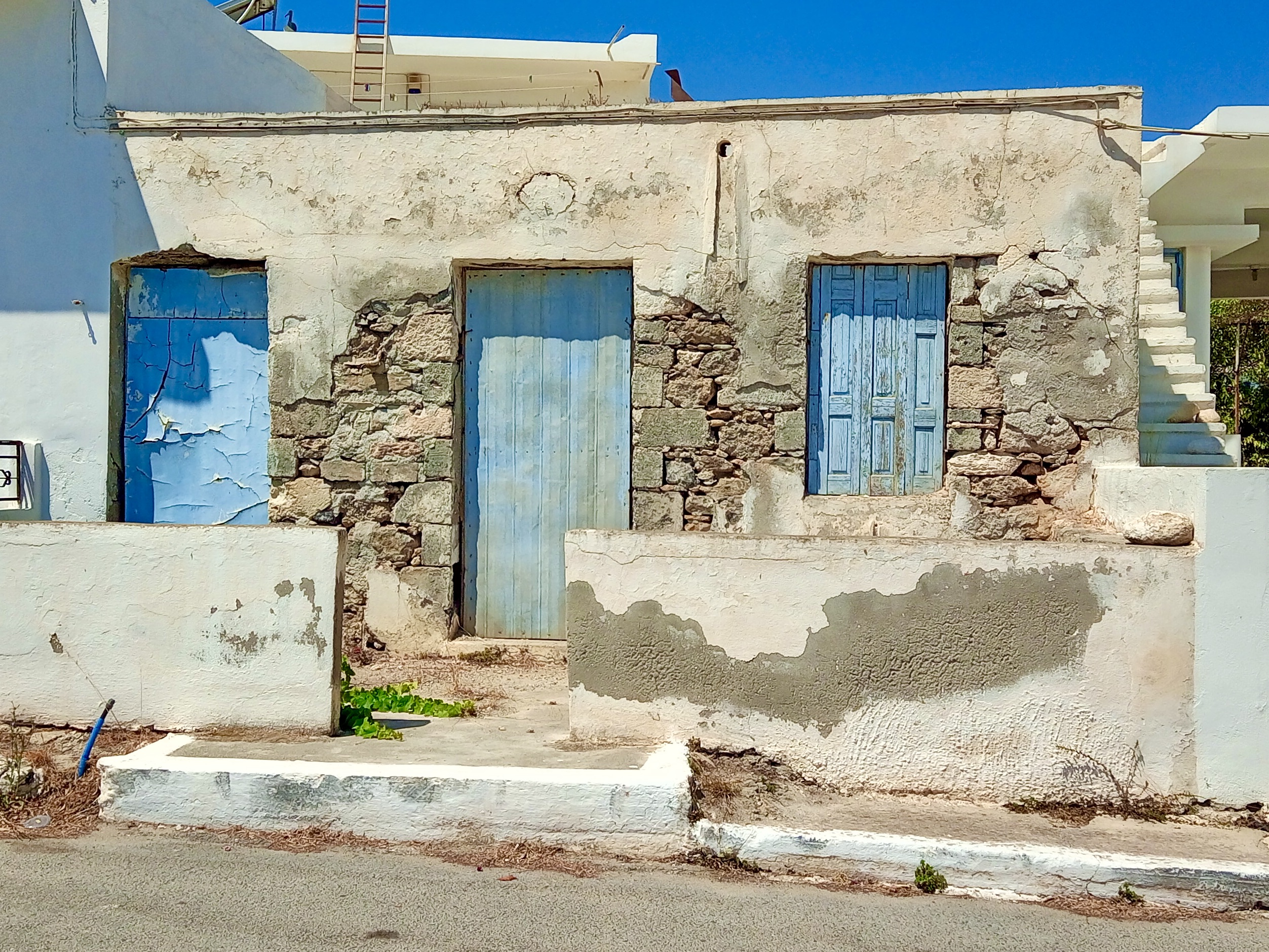
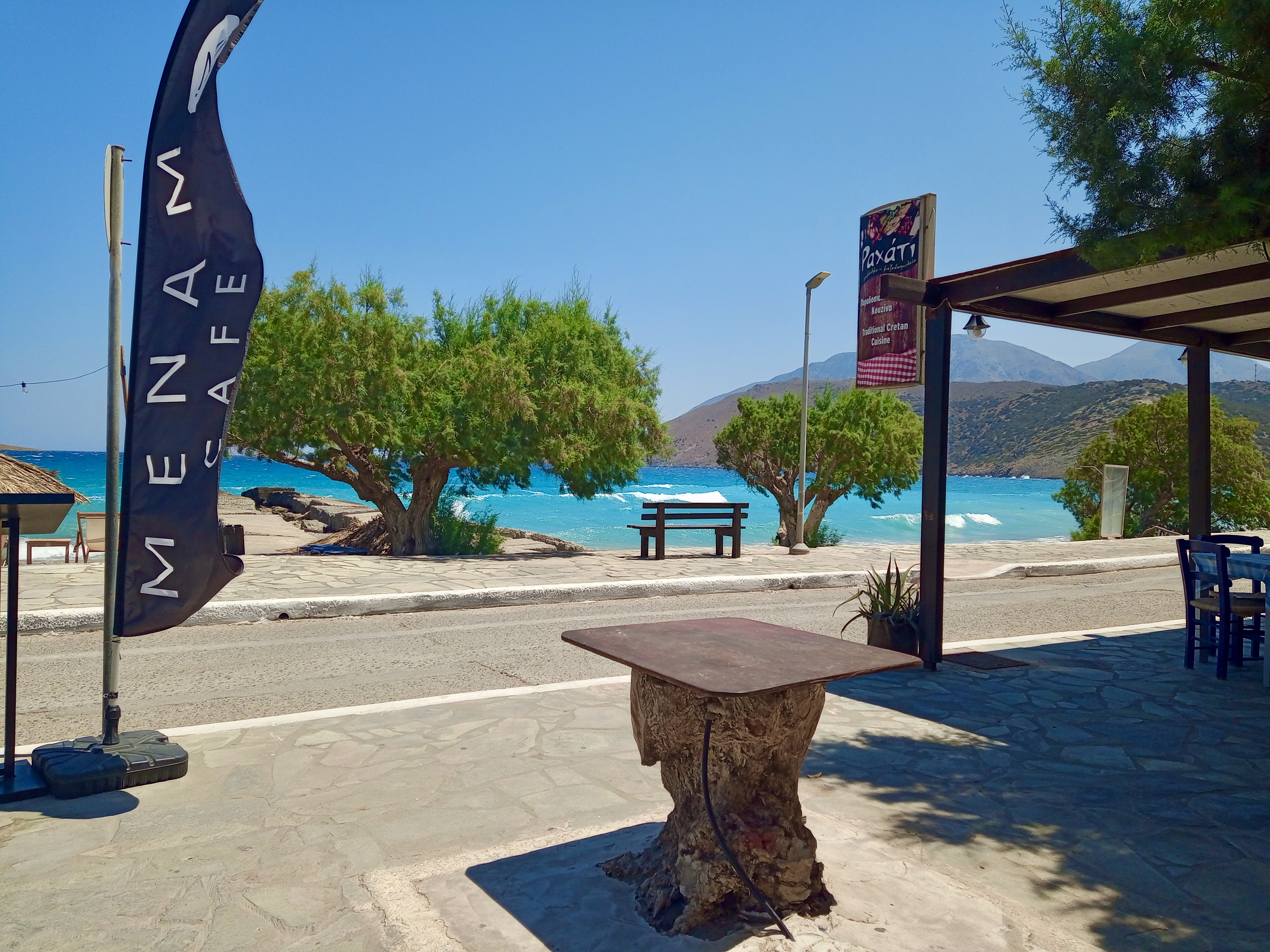
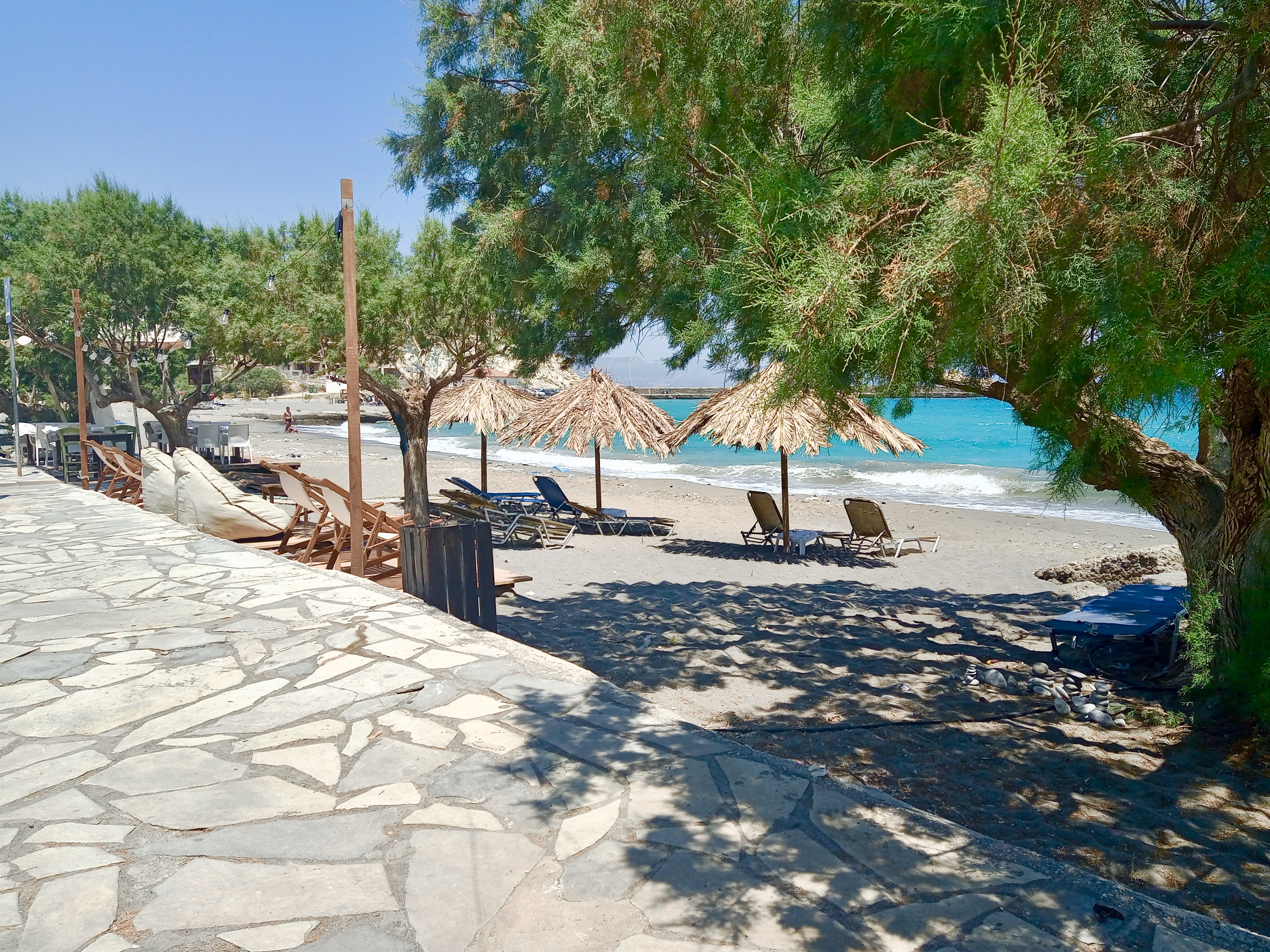
When I sat down to write this post I had all kinds of other stuff in mind. I intended to talk about the fact that we have eventually been able to eat at the wonderful Kalliotzina taverna right on the beach at Koutsouras. A few weeks ago we’d gone there on a Tuesday lunchtime, only to find that they were closed on Tuesdays, so we’d ended up at the one nextdoor, which was pretty good anyway. I talked about this in the post called ‘Food For Thought’ which I posted on May 30th. For the first time in what seems like months we actually got around to sitting down over a Greek coffee with Angla’i’a and Giorgo the other day too. I had some thoughts too about the obsession that they seem to have here in Greece with naming streets after dead people as well. Never mind, all in good time.
I’ll return to the main theme of this post to finish off with, though. There has been a lot of talk lately in the local media here about the problem of over-tourism. It’s getting on the TV news quite often about what’s happening in Spain, where locals are demonstrating about their home towns becoming nothing but ‘theme parks,’ while they shoot water pistols at tourists eating in the local restaurants. It’s still some way from that scenario here, although there are parts of Greece where it’s a definite problem (Mykonos, Santorini, the Acropolis in Athens to name a few), but I’ll finish with a quote from a Cretan newspaper from a few days ago. It said this:
“Last year, a whopping 33 million tourists visited Greece—over thrice the country’s population. More tourism means a greater economic boost by propping up local business activities. But they’ve resulted in a disproportionate strain on infrastructure, housing and environmental resources. These are particularly pressing as Greece grapples with the aftermath of wildfires in recent years.”
Hmmm, eh? When I worked as an excursion escort I used to think that in general (with some slight reservations) tourism was a good thing. It’s far more complicated than that now though. Watch this space.
To absolutely finish this one off, definitely, with no further addenda, Here’s a photo of a fairly macho me taken in February 2014 back on Rhodes, when we used to scavenge the beach in wintertime for fuel for our stove (me Tarzan…) –
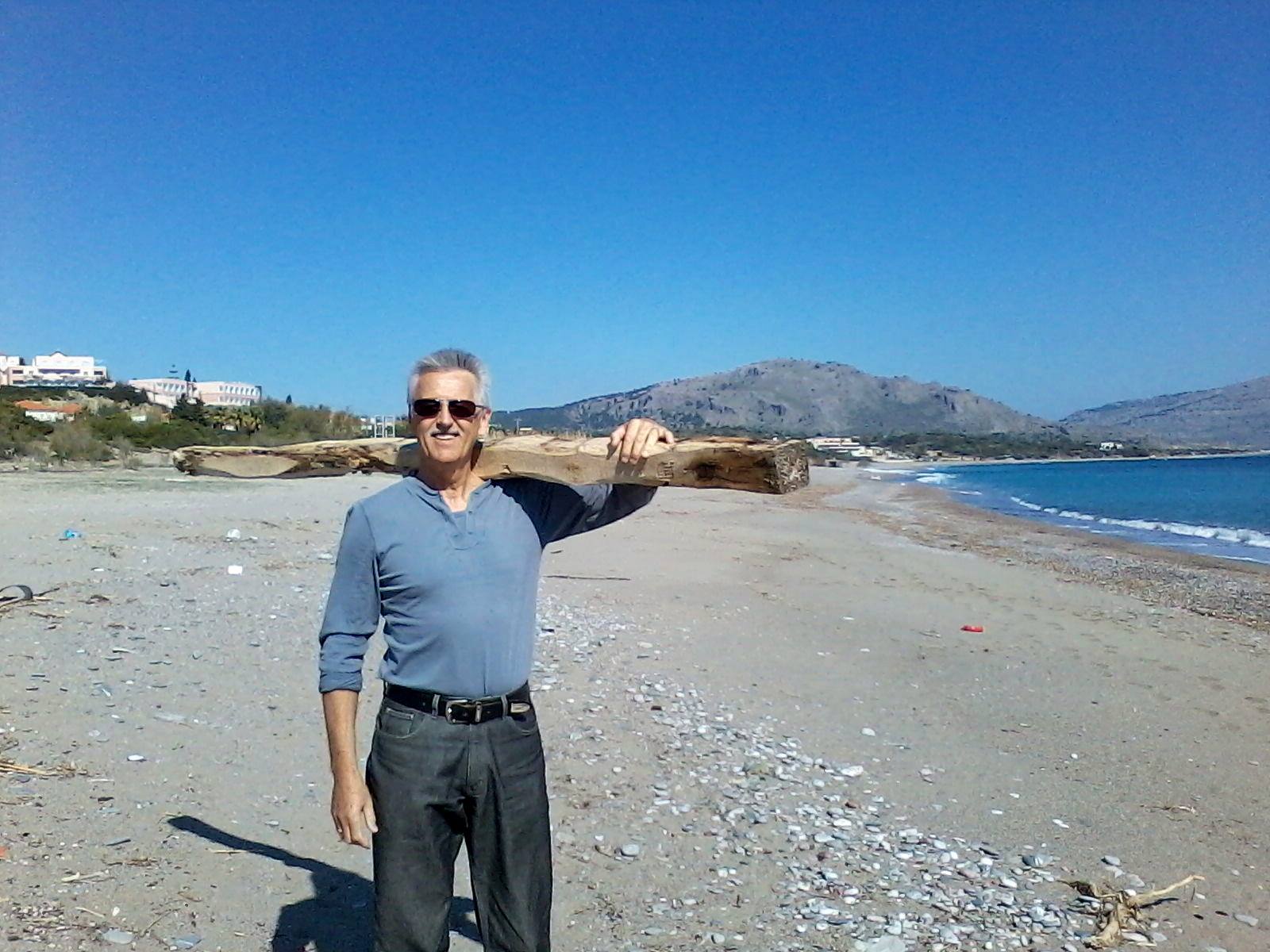
Yes, I thought that one would give you a laugh.
•
Click HERE to go to my Amazon Author Page. There you can browse and purchase all of my written works.
 Accretions