

On Friday March 7th (the anniversary of my father’s birth, as it happens, he would have been 96 had he lived), we finally got the chance to go over the mountain to the village of Kalo Chorio [Good Village]. I know, odd name isn’t it? I have looked, and there doesn’t seem to be a ‘Kako Chorio’ or ‘Bad Village’ anywhere, which is probably just as well, when you think about it. Kalo Chorio is quite a large village, and we often drive through the periphery of it when cutting across the mountain to go either to Agios Nikolaos or maybe Heraklion. It’s a twisty narrow road, but cuts the journey time for us if we’re heading north or westward by probably half an hour over going down to the outskirts of Ierapetra and then heading up the main road to Pachi Ammos.
The nearest two villages to Kalo Chorio are Pyrgos (Tower) and Forti, which is really an extension of Istro, which is a bit of a ‘little Britain,’ to be honest, and it’s even been featured on more than one occasion on the UK TV show “A Place in the Sun.” No offence intended, but we tend to avoid Istro, ahem. In fact, if you click this link to the page on Wikipedia about Kalo Chorio it can be a bit deceptive, because it states that the village has “a dozen tavernas and half a dozen bars, snack bars and cafes.” That’s not the case at all, since the village is yet a few hundred metres from the main coast road that passes through Istro, and it’s actually Forti/Istro that has all those places.
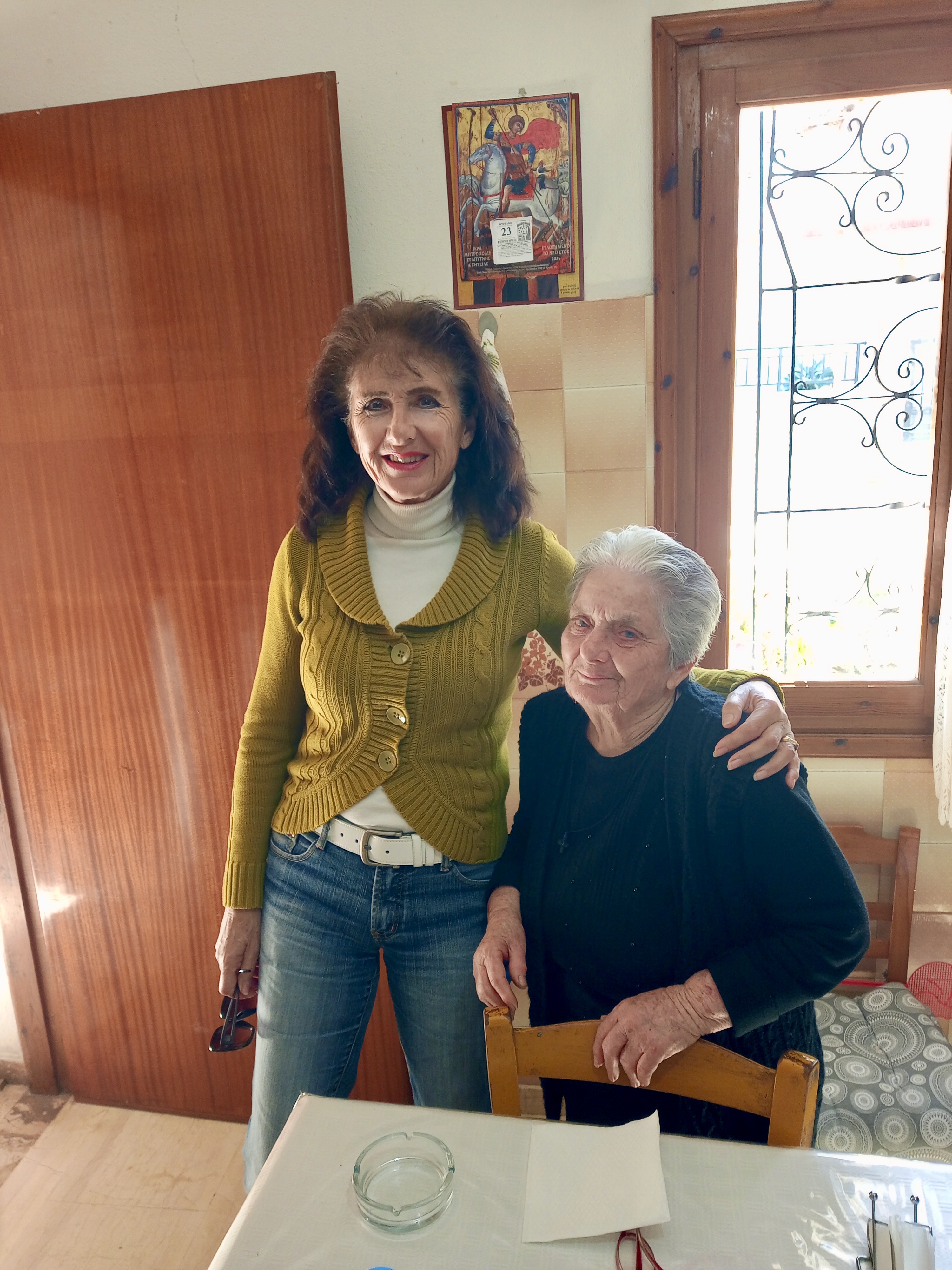
Kalo Chorio, even though it has a population of around 900 in wintertime, doesn’t even have a kafeneio, which disappointed us somewhat. We actually walked from the bottom end of the village along the short stretch of lane to Pyrgos (it’s only a couple of hundred metres, if that) and as soon as you arrive at that village, which is quite a bit smaller, you catch sight of a village kafeneio, although we decided on balance not to bother going in. This was just as well, because as we were walking back through Kalo Chorio to the car, we passed a diminutive old ya-ya busily clipping away at a very large basil plant outside her front door. We exchanged a greeting with her and she very quickly suggested that we might like to sit with her and enjoy a Greek coffee. We accepted her invitation and were soon seated around her kitchen table.
As is invariably the case when you sit at a Greek kitchen table, it’s never simply coffee that is put before you. Our host soon placed a few plates on the table too, along with the always necessary bottle of water and tumblers. There were homemade koulourakia and some that I can only describe as ‘cakes’ which appearance-wise resembled croissants to some degree. They were actually those cake-type things that a lot of Greeks make for eating with their first coffee early in the morning and, when you bite into them they’re not croissant-like at all, but a kind of plain cake with part plain and part chocolate-flavoured flour mix creating two distinct colour patches all through the middle. They’re popularly called Greek Marble Cake and can come in all kinds of guises, depending on who makes them.
Our host told us that her name was Eirini and that she’d been a widow for many decades. Yes, she has children and grandchildren, but they were all scattered about the country owing to work or study necessities. A couple of Eirini’s grandchildren are studying at Volos, way up on the eastern seaboard of the mainland, situated on the shores of the Pagasitikos Gulf and due west of the Sporades Islands, consisting of Skiathos, Skopelos, Alonnisos and a few smaller ones too.
How did Eirini manage when it came to getting a loaf of bread, since she no longer had a stone oven in which to bake her own? Well, when she needs to do some shopping someone in the village takes her to Agios Nikolaos from time to time, but there’s also a baker’s van that cruises the village regularly and she gets whatever bread she needs from it when it stops right outside her door. That took me back to my childhood, I can tell you. From the age of 18 months until I was about ten we’d lived in Tunley, a small village to the South West of Bath, strung out along the B3115. There was a succession of lorries and vans that would stop in the village when we lived there, ranging from the Corona and Tizer lorries, through the Wall’s ice cream van to baker’s vans and coal delivery lorries. It’s an era that we’ll never see again, alas. But at least here in rural parts of Greek and her islands the remnants of that kind of life still survive for a while longer yet.
Observing the house in which we were sitting whilst Eirini went to speak to a neighbour for a few moments, we couldn’t help but compliment her on how well she keeps house. For a woman of not much more than 5 feet in height, the whole house appeared to be spotlessly clean and very tidy. How she manages to get up to the high shelves and lampshades to dust was a mystery, but there was no doubt that she does it somehow. She had a couple of immaculate tea towels hanging from a hook on her kitchen door too, and the kitchen worktops were well ordered and evidently wiped clean on a regular basis. Often when you go into a house that’s occupied by an elderly widow, it can be pretty rank to be honest. This is not said as a criticism, but many of these seniors can no longer see very well and simply don’t have the stamina to clean and dust. Eirini, on the other hand, very evidently still does, and it shows.
The time soon came for us to take our leave. It never does to outstay your welcome, especially because people like her will always extend the invitation, even when they don’t really have the time, and so to stay for a couple of hours is not showing consideration at all. Of course, when you begin the ritual of taking your leave (which often involves a whistle-stop tour of all the family photos and maybe the opportunity to compliment the host further on the house in general, and the garden), you never get out of there without a gift of some kind. In Eirini’s case, she was very proud of the fact that one of her daughters is a keen photographer, and so she gave us a lovely framed print of a close-up of an indigenous white crocus that grows in this area.
Here are the photos we took whilst strolling around the village, including one of Yvonne with Eirini…

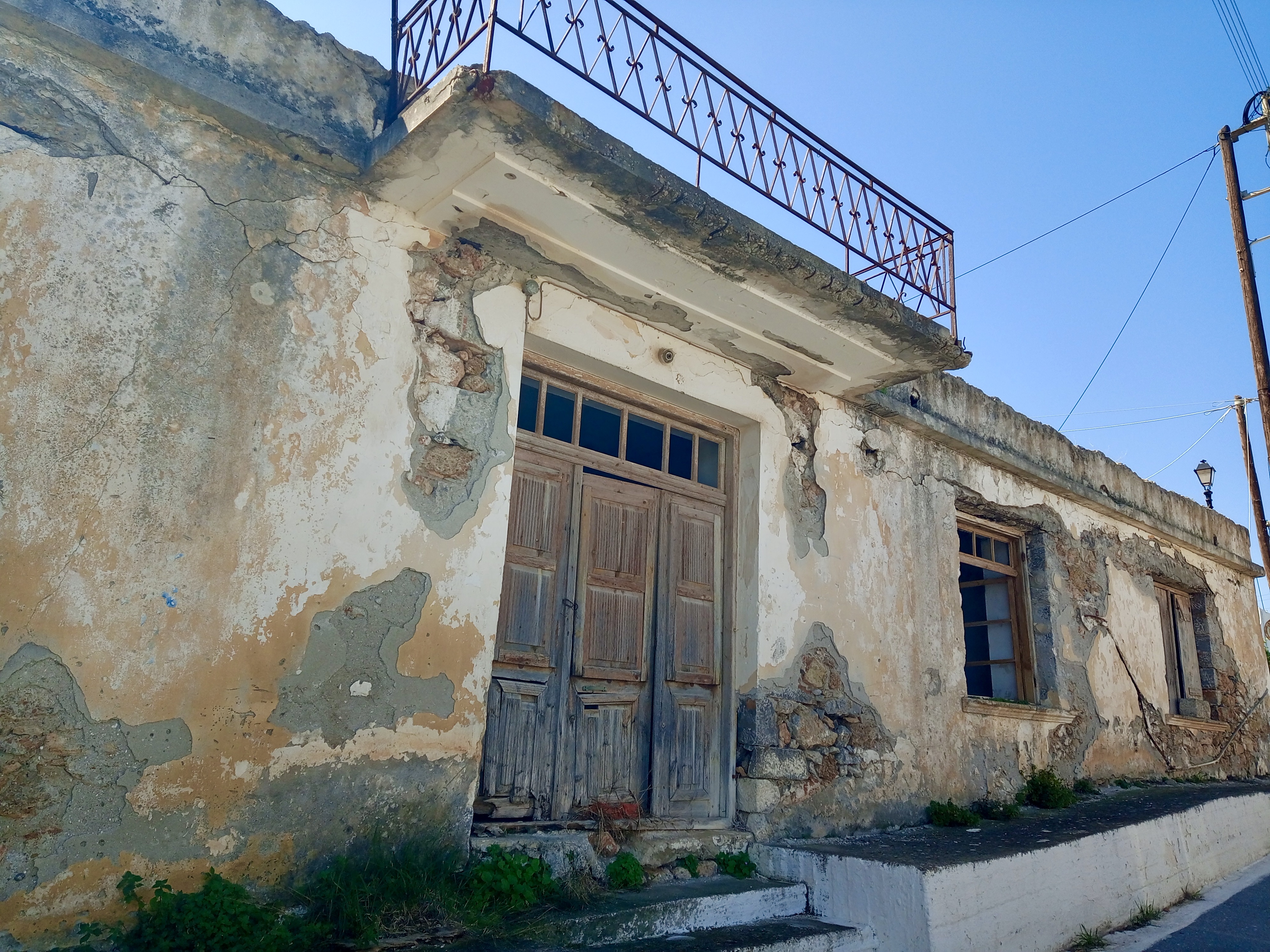
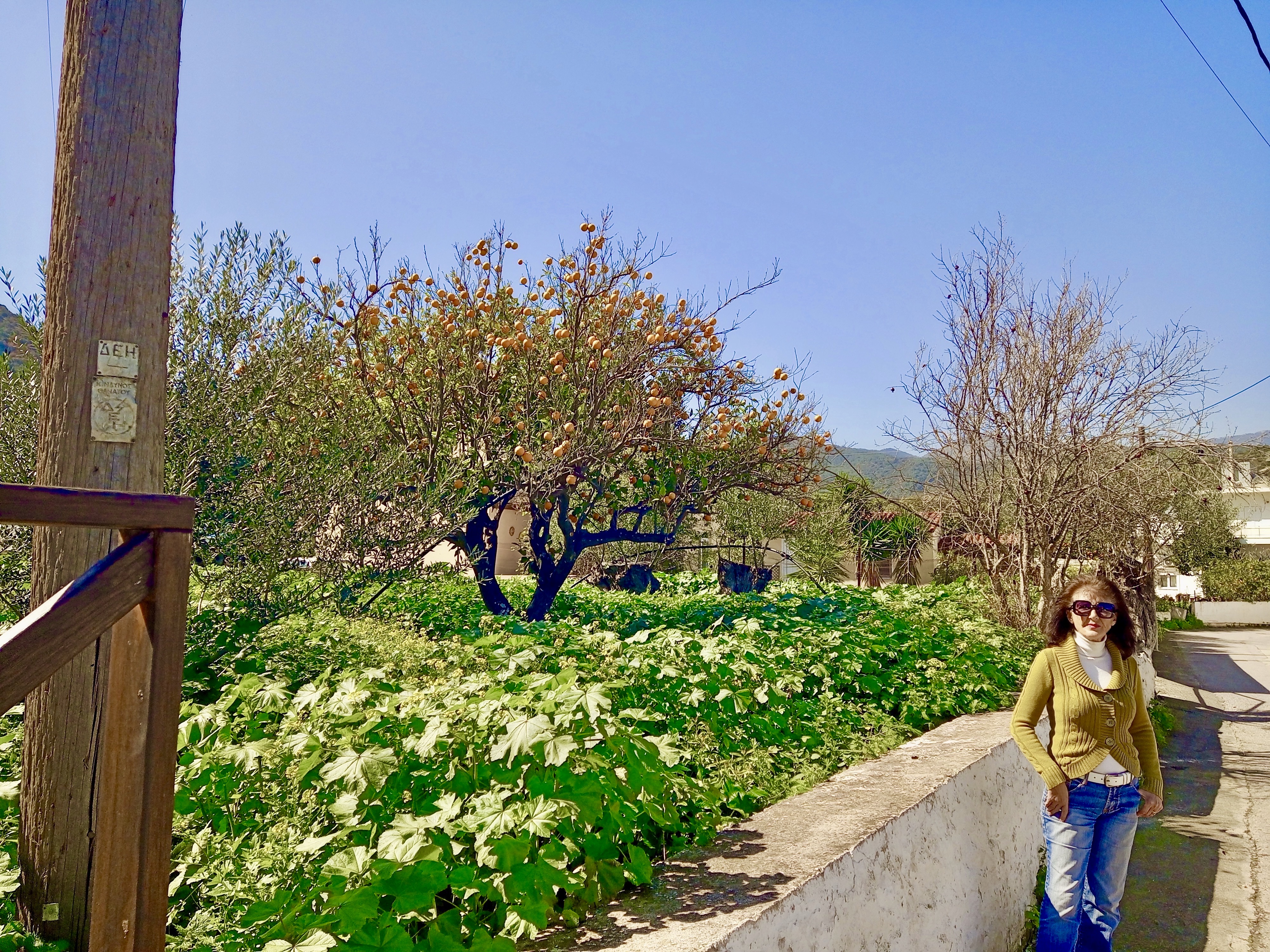

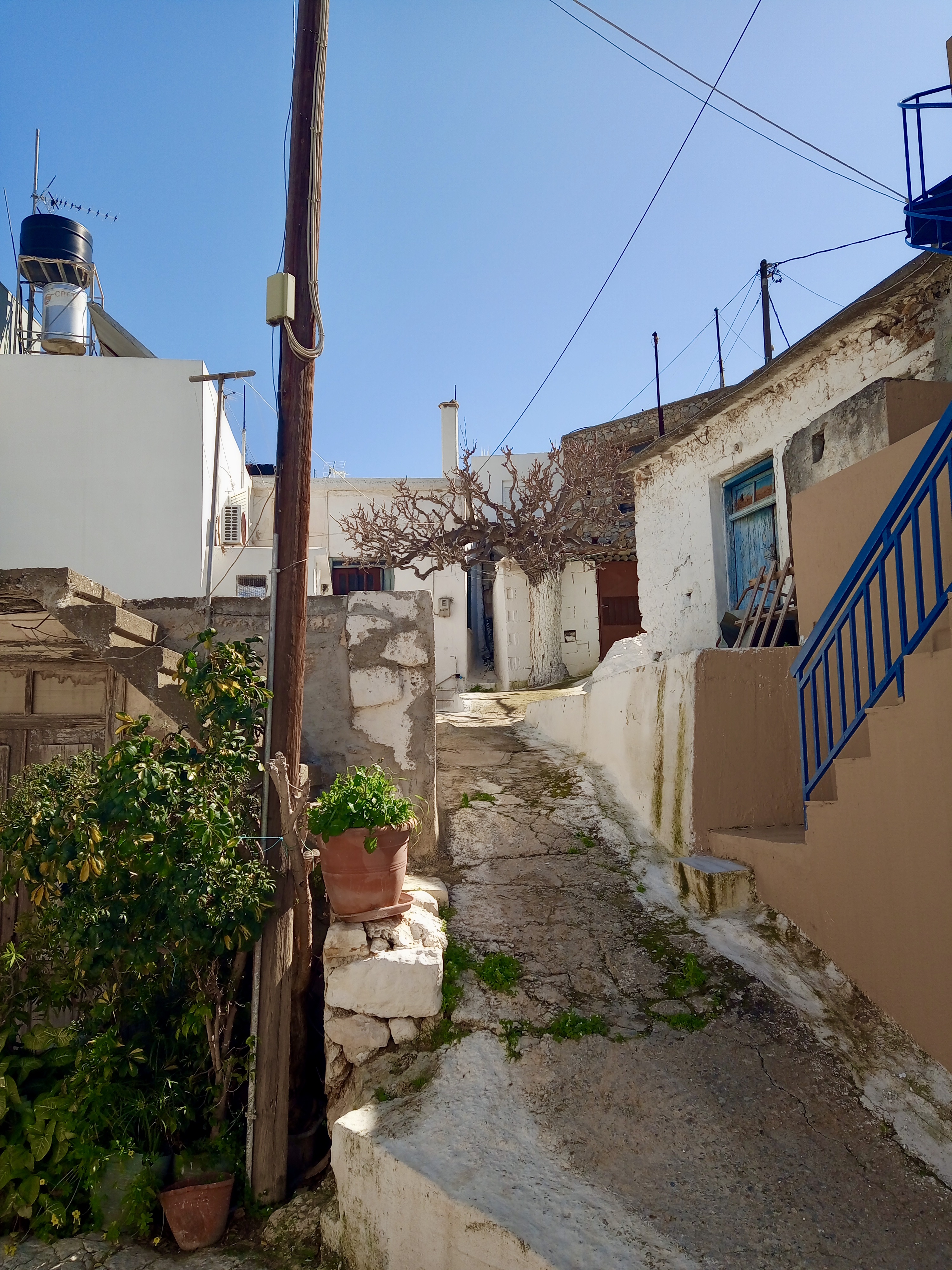



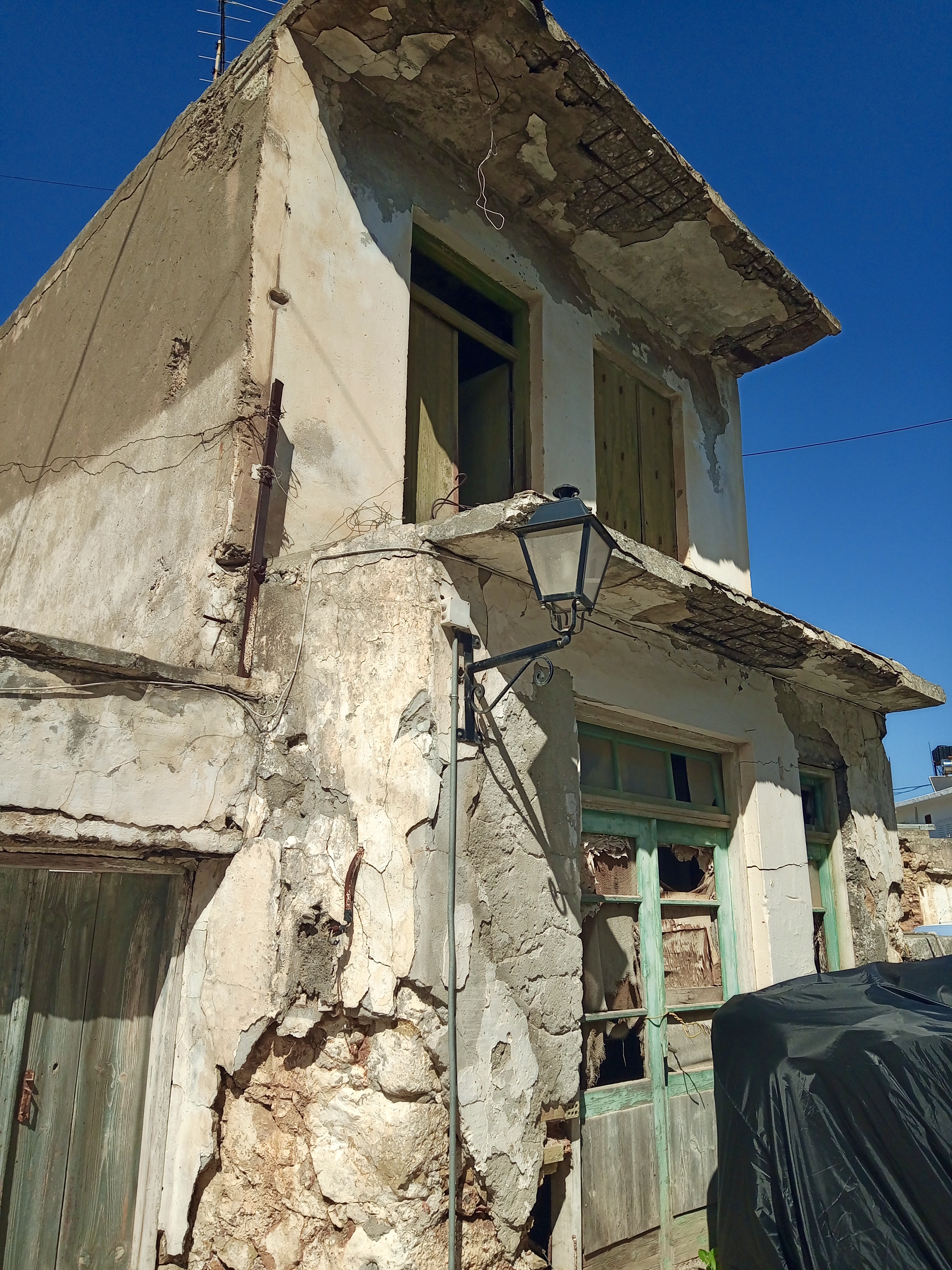
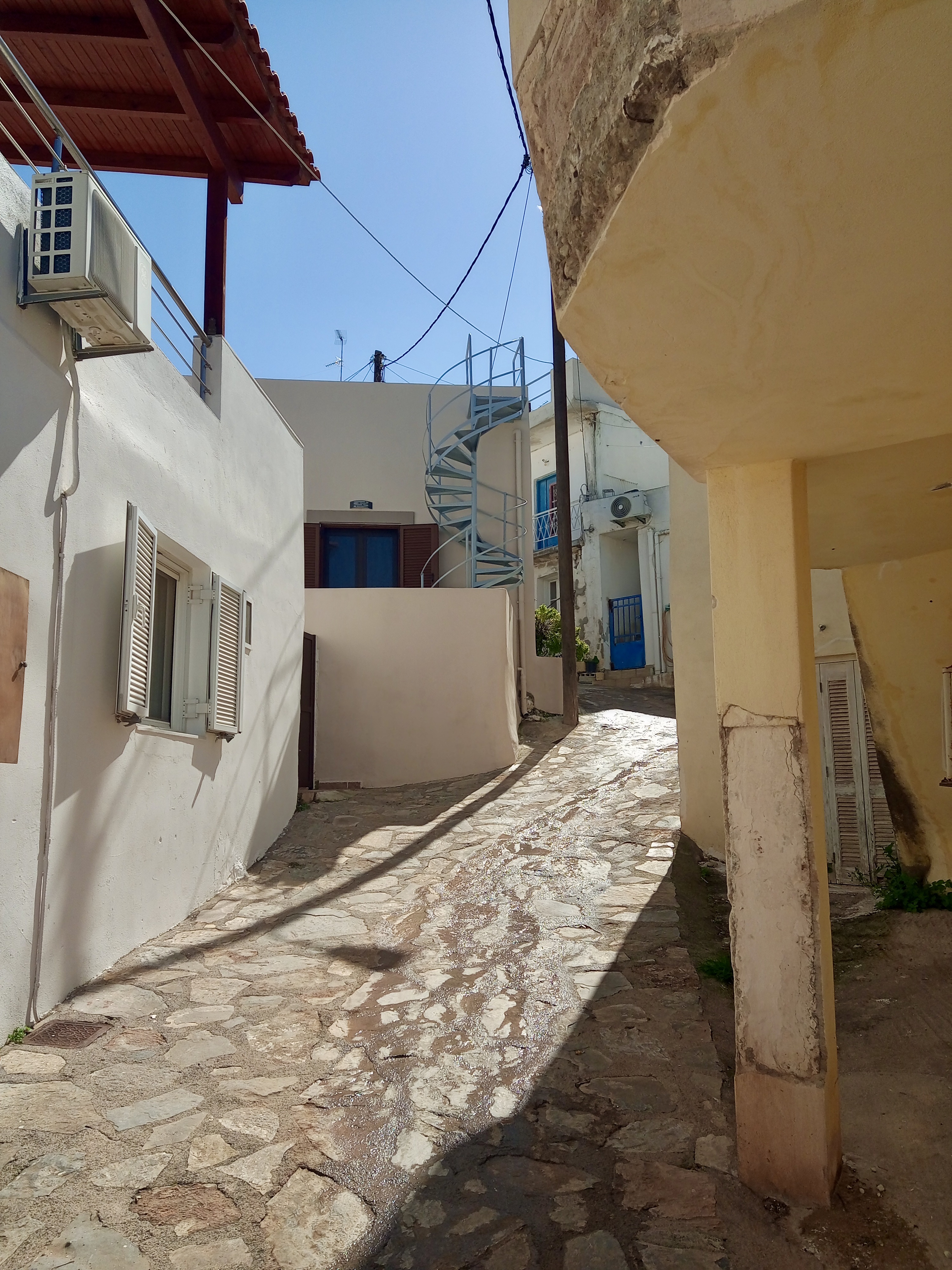

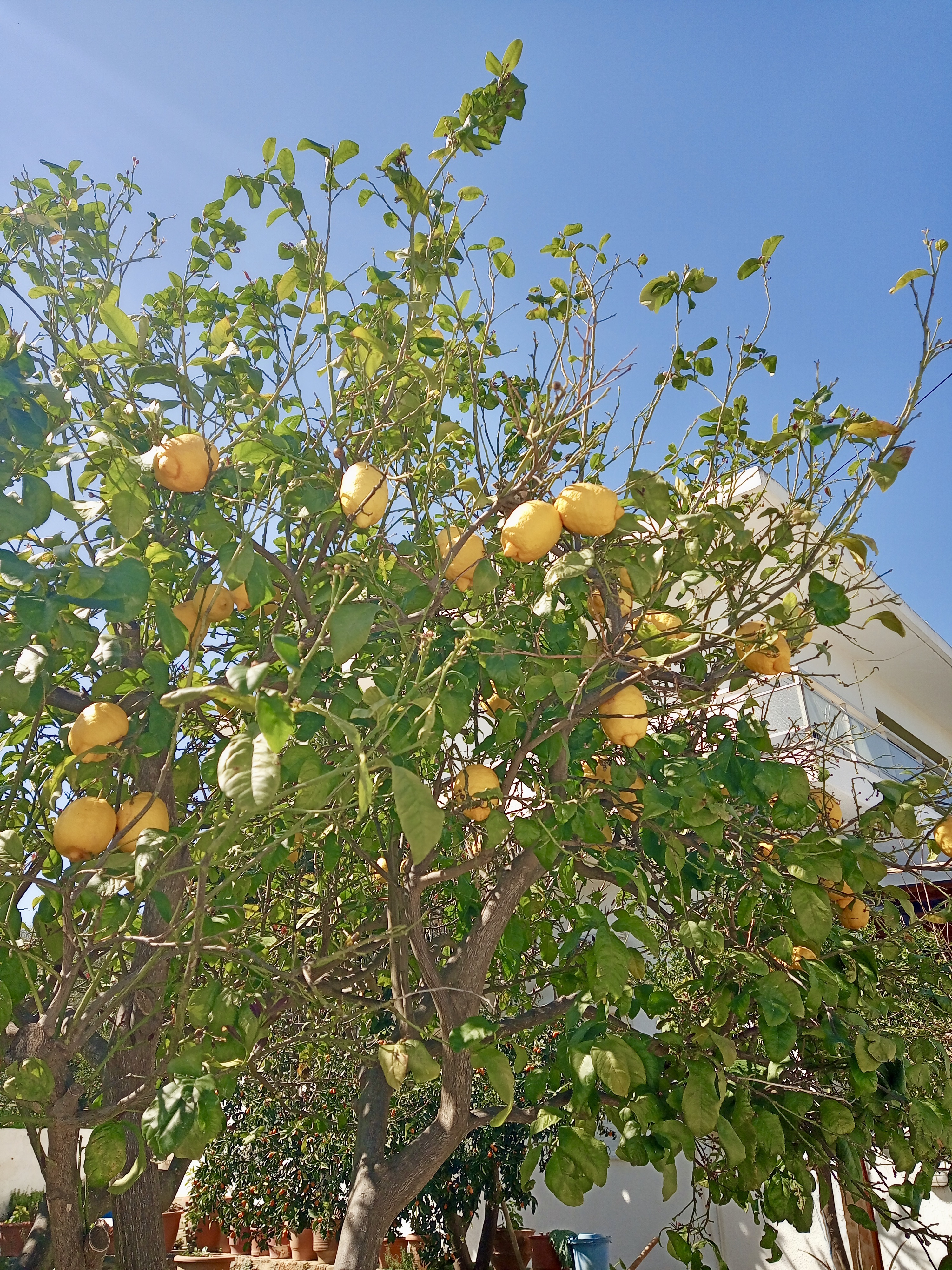


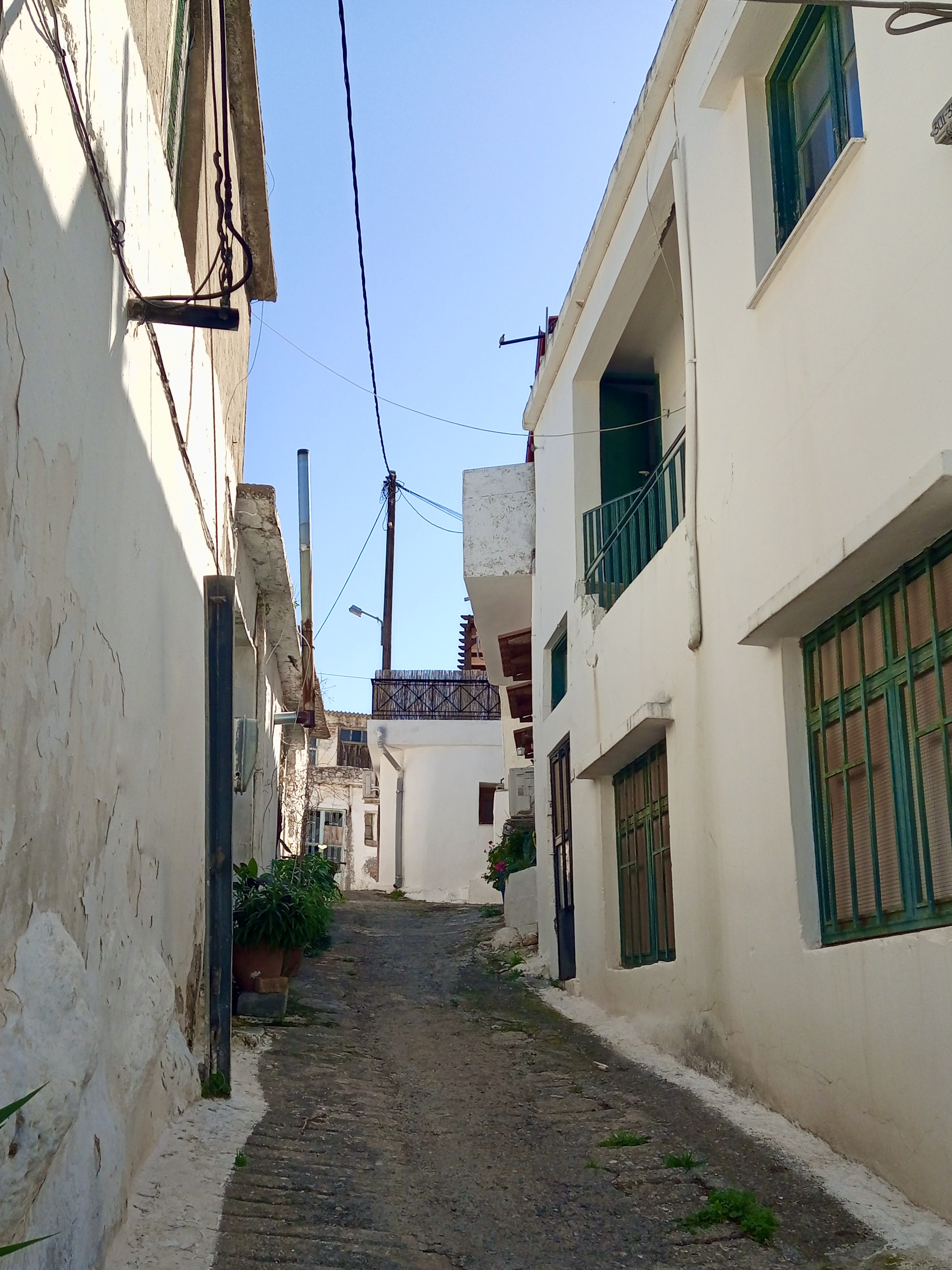

Incidentally, although we had expected to see the AirBnB houses and apartments that were dotted around the village, we were quite surprised to find that in the midst of the village there’s also a hotel. We couldn’t believe our eyes, but then it is within spitting distance of Istro and its nearby beaches, and only 15 minutes by car from Agios Nikolaos. The hotel, in case you’re interested, is called the Koukouvagia (or Koukouvaia).
•
Click HERE to go to my Amazon Author Page, where you can browse and purchase all of my written works.
 Accretions