

A lot of people, I’m sure, who’ve lived in Greece for some time will already know the following info, but there are those who come here for their holidays who may not be aware of what those small roadside ‘shrines’ are there for, so this is for them.
Roadside shrines, known as ‘proskinitaria’ or ‘votives,’ are to be found everywhere in Greece. They’re typically small structures or icons placed at the roadside, often at sites of accidents or in memory of deceased loved ones. They vary greatly in form, from simple stone ‘mini-churches’ on a plinth to elaborate marble structures with glass doors, flowers and photos of the deceased. They’ll sometimes have burning tapers or candles inside, often regularly tended by a relative of the person who’s being commemorated.
The most common types are accident memorials: These are erected at the site of fatal accidents to commemorate the deceased. They often include a cross, a picture of the deceased, and sometimes personal items like flowers or candles. Occasionally there’ll be a short inscription too. I’ve often mused on the way in which these are proliferating, as it seems that an inordinate number of fatal road accidents occur here in Greece. If things go on the way they are, I have visions of some road bends or junctions becoming so overrun with them that it’ll be a bit, well, like overkill (sorry about the bad taste pun).
The votive offering types are set up as offerings to saints or religious figures, often in gratitude for a safe journey or as a plea for protection. I hate to offend anyone, but to my logical mind such things are not of much use, except to salve the simple credulity of those who set them up. When someone reaches the end of their journey in safety, it’s more often down to good driving and a little luck than it is to anything else. What does the one who survives a journey say to those who died making a similar one? Are they perchance more ‘righteous’ then? My mind always goes back to the terrible events of the 11th September 2001, in New York City. 3,000 people died in those two towers, and yet reading a subsequent interview with the Duchess of York, who was in the city at the time, I was a bit incensed to be honest. She said, and I paraphrase (but the sentiment is right on the button), “I was held up in traffic, or else I’d have been at the top of one of those towers when the plane hit. Someone was looking after me.” Ahem, what does she say to the 3,000 who died then, and to their grieving relatives? Did that ‘someone’ who was looking after her not think much of all those others then? Logic is required in such circumstances, not age-old superstitions. It’s just my way of seeing things, folks, nothing more.
Some shrines also may commemorate historical events or figures and are placed along routes that hold cultural significance. As an example, in areas with historical importance, such as near ancient battlefields, shrines might be dedicated to fallen soldiers or significant figures from history. Many Greeks believe that these shrines (all types) offer spiritual protection to travellers, reinforcing the cultural practice of placing them along dangerous or frequently traveled roads. I believe, though, that this belief is waning as younger Greeks grow up less hidebound by old superstitions that have no grounding in fact or logic.
For families of accident victims, the act of creating and tending to a shrine seems to provide a sense of closure and ongoing connection with their loved ones, although the best that I can say about this is that there isn’t much basis, once again, for this actually helping, and it certainly won’t bring back the deceased, sadly.
On a positive note, though, I have to admit that these shrines can serve to some extent as visible reminders of the need for road safety, prompting drivers to exercise caution and respect the memories of those who have lost their lives on the roads. When I see one I do usually think, ‘OK, so this bit of road may be a bit dangerous,’ and hence exercise even more caution than usual.
Although the practice of erecting roadside shrines is deeply rooted in Greek culture, there are regulations in place to manage their placement and ensure they do not pose safety hazards. Local authorities may need to grant permission for their installation, especially on public land. In urban areas, too, the placement of shrines is more regulated due to space constraints and safety concerns.
So, there you go, a brief look at something that many who visit Greece may wonder about. Hope it’s informed those of you who were wondering, to some extent.
•
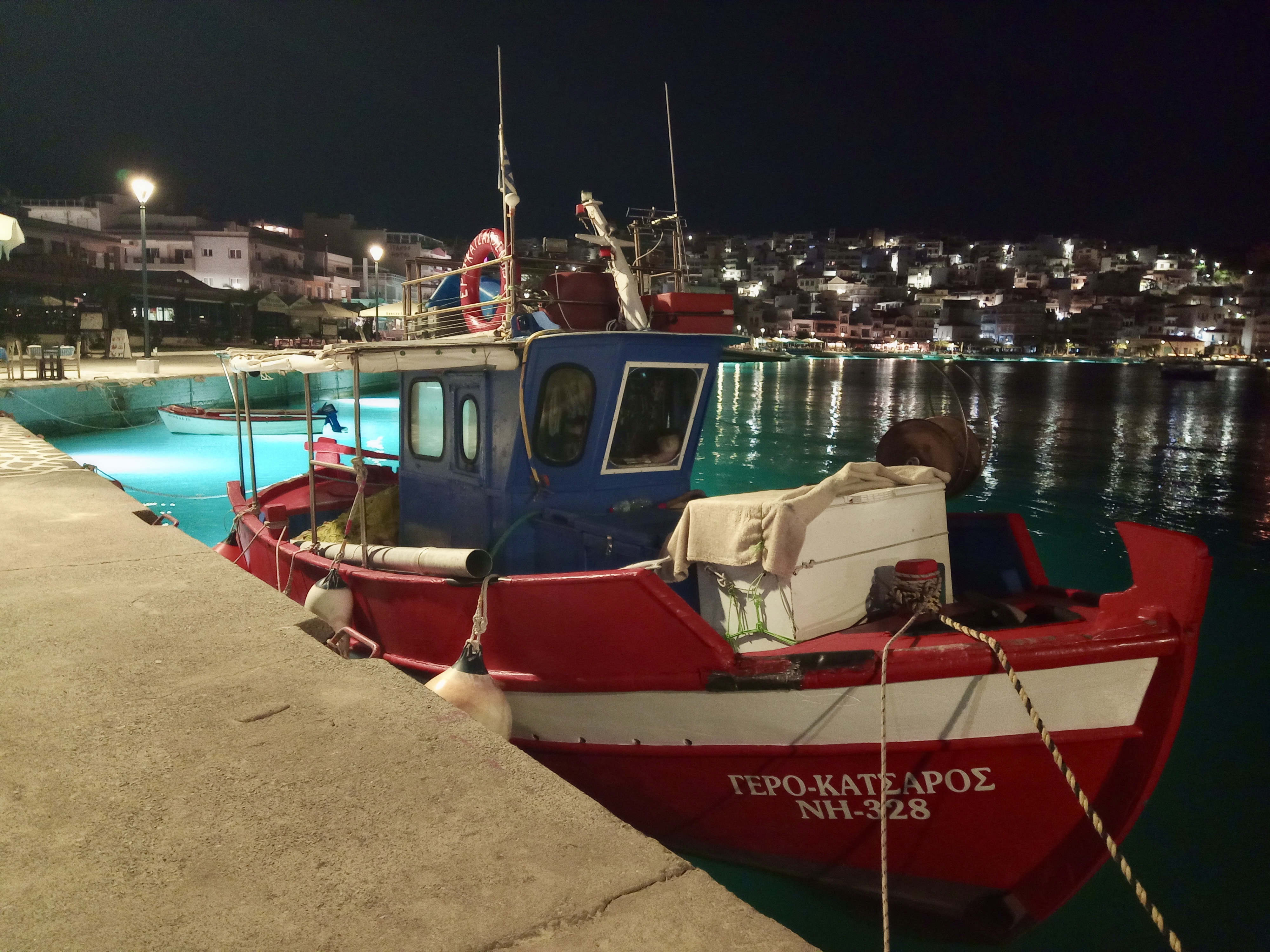
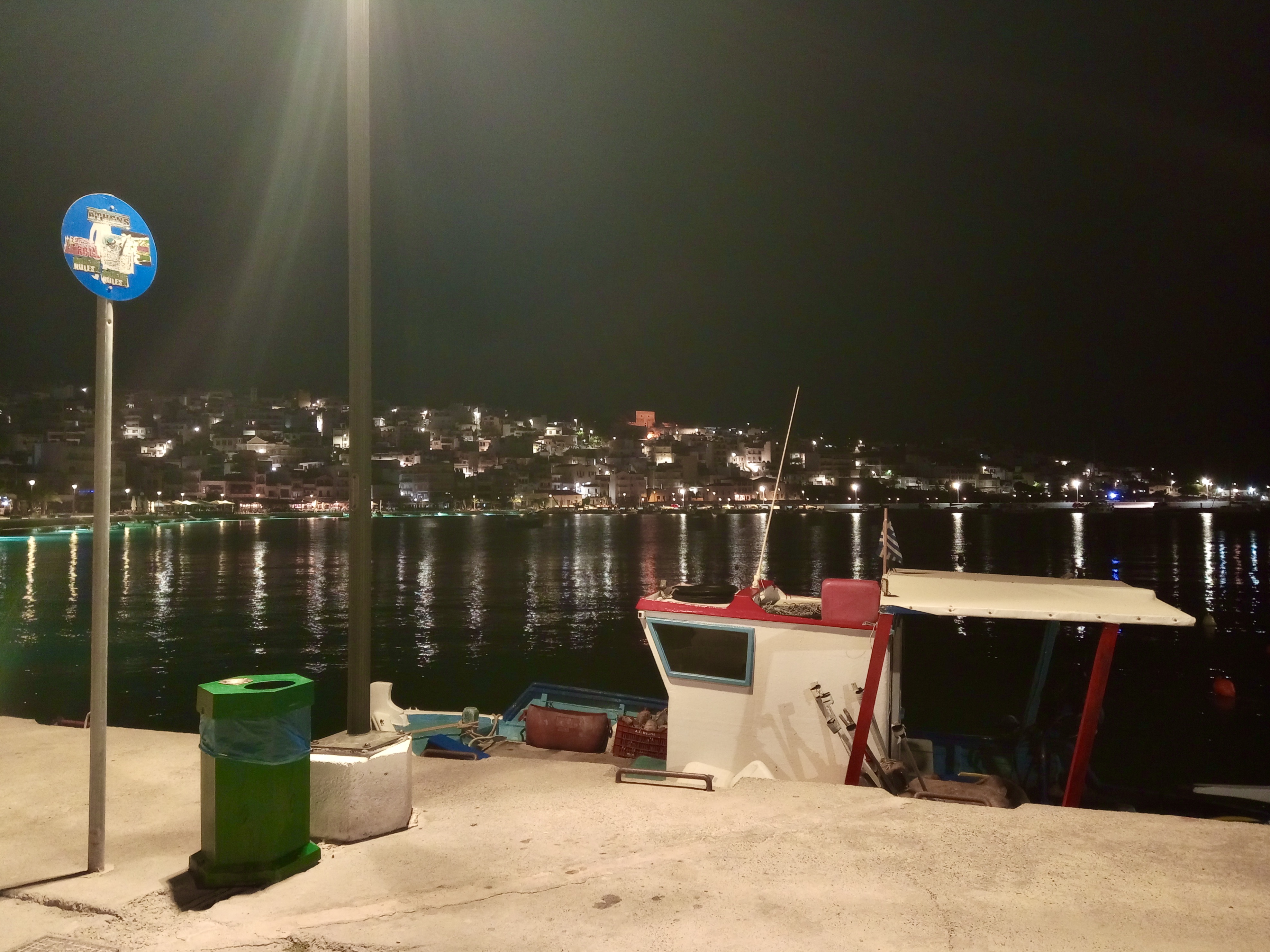
We’re in Sitia again folks, for our annual holiday (I know, don’t even say it), so here are some photos from this visit. There will in all likelihood be a lot more!!




•
Click HERE to go to my Amazon Author Page, where you can browse and purchase all of my seventeen written works.
 Accretions
Happy New Year first of all. It has been months since I last checked your blog and OMG you have written so much I need to start with page 4 to catch up. Thank you for continuing to share you experiences with us readers!
And thank you for this super informative (and reflective) post about the proskinitaria. I’ve always enjoyed looking at them (because they are so cute, let’s be honest) but also always had a hunch that they must have a sombre meaning.
Thanks for the comments Marcus and, by the way, where have you been? As some of my old school teachers would say, “have you brought a note?” [as in, ‘a letter from your parents explaining your absence?’] 😝😝
My mom got a new knee so I looked after her for a bit and subsequently, I can’t deny it, your blog faded from my memory for a while…