Maria’s plucked a chicken again. It’s a shame, but her mother Evangelia’s getting too old now to do all the work herself it seems. Maria’s in her fifties, maybe towards the back end of that decade, but she’s been sitting outside her mother’s door, large enamel bowl on the upturned crate in front of her, as she prepares yet another unfortunate bird from their chicken run for the pot. We weren’t immediately aware of her presence, because the alley across the way is partially obscured by the two ancient olive trees in our lower garden, but as we sipped our coffees this morning the occasional feather floated by on the breeze and we were reminded that another bird had met a sticky end.
It’s all part of life’s rich tapestry in a small village, as I’ve mentioned before. The summer is well and truly upon us now and we’re already well into the habit of closing the windows up tight by mid-morning in order to keep the inside of the house cool, or at least cooler than the outside temperature. For a few days over the weekend we had some pretty strong winds here, beyond what you’d call a pleasant breeze and more a ‘blow your hat off’ intensity. I’m glad to say that as from last evening it’s dropped to a more acceptable breeze. Unfortunately though, it looks like the strong winds are the reason for the current distressing wild fires that are raging on the mastic island of Chios. Everyone’s hoping desperately that the mastic trees will be spared, since the production of that amazing substance is one of the island’s mainstays economically. Chios is still the only place where a unique form of mastic is produced.
True mastic, the resin from the mastic tree (Pistacia lentiscus), is produced in various parts of the Mediterranean, but the unique, high-quality mastic known as “Chios Mastiha” is only produced on the island of Chios, particularly in the southern villages known as the Mastichochoria.
Here’s the lowdown: The Pistacia lentiscus tree does grow elsewhere, like Turkey, Syria, Morocco, and Tunisia, and can exude resin. However, the resin produced outside Chios does not have the same properties (aroma, texture, purity) and is not classified or marketed as “Mastiha.”
Why is Chios so special? The trees in southern Chios seem to produce more and better-quality resin due to a combination of a) unique microclimate, b) soil composition, and c) traditional harvesting techniques, plus a few other factors. So, while mastic trees may exist elsewhere, true mastic as known for culinary, medicinal, and cosmetic use is essentially unique to Chios.
In a nutshell, that’s why wildfires on that particular island ring massive alarm bells. Yvonne and I are firm believers in the properties of mastic from Chios. There’s a mastic ‘chew’ sweet that can be bought in some supermarkets which doesn’t contain any sugar, and it comes in a plastic bag (biodegradable) like many ‘sweets’ and pastilles that are nothing like as good for you. Each pastille is individually wrapped and we are in the habit of chewing one after our main meal every day. It’s been used for centuries for its health benefits, and modern research supports many of its traditional uses. The resin contains bioactive compounds like terpenes, polyphenols, and essential oils that contribute to its medicinal properties (like I know what all that means).
If you’re still sceptical, here comes the medically proven and scientifically accepted CV for this amazing substance:
1. Digestive Health: Helps with indigestion and stomach ulcers, especially those caused by Helicobacter pylori bacteria. Acts as a natural antacid, reducing stomach acidity and bloating. Traditionally used to treat gastritis and mild inflammatory bowel conditions.
2. Antimicrobial and Antibacterial Properties: Effective against H. pylori, Staphylococcus aureus, and Candida albicans. Can help maintain oral hygiene, reducing plaque, gingivitis, and bad breath.
3. Anti-inflammatory Effects: Reduces inflammation markers in the body. Studied for use in Crohn’s disease and ulcerative colitis.
4. Liver Support: Some studies suggest it may help protect the liver from damage due to its antioxidant content.
5. Cardiovascular Benefits: May lower cholesterol and blood pressure. Contains antioxidants that support heart health by reducing oxidative stress.
6. Blood Sugar Regulation; Early studies suggest it may help stabilize blood sugar levels.
7. Wound Healing and Skin Benefits: Used in traditional ointments for healing wounds, eczema, and acne. Some cosmetic products include mastic for its astringent and antimicrobial effects.
8. Oral Health Bonus: Mastic gum is non-cariogenic, meaning it doesn’t promote tooth decay. Chewing it stimulates saliva, helping to naturally clean the mouth.
What about that little lot then, and it’s medically accepted as fact, not only by practicers of alternative medicine. In a nutshell: Chios mastic is one of the few natural substances on the planet with both historical and modern clinical backing, especially for gut health, oral hygiene, and inflammation control. It’s a potent example of a traditional remedy with real, measurable effects.
Some additional good news is that you can buy a delicious liqueur made from mastic, one of the best brand names being Skinos.
So, now you understand why wildfires on Chios are especially worrying, and at the time of writing, they’re still raging, and tourists are still being evacuated from some areas. Here’s a newspaper report from earlier today.
Let’s hope that those fires are soon extinguished, and that they leave the island’s main source of income intact.
Photo time:
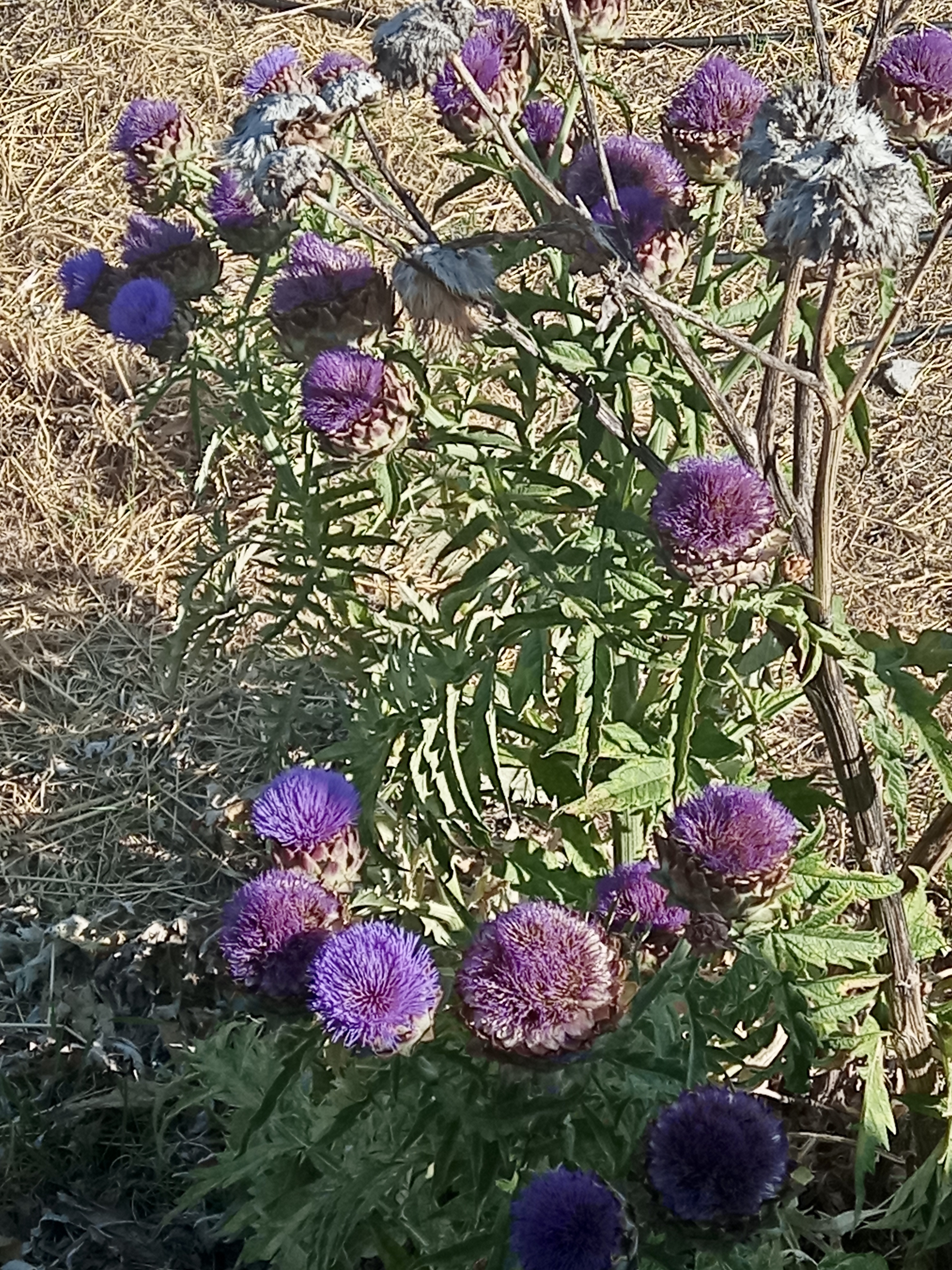
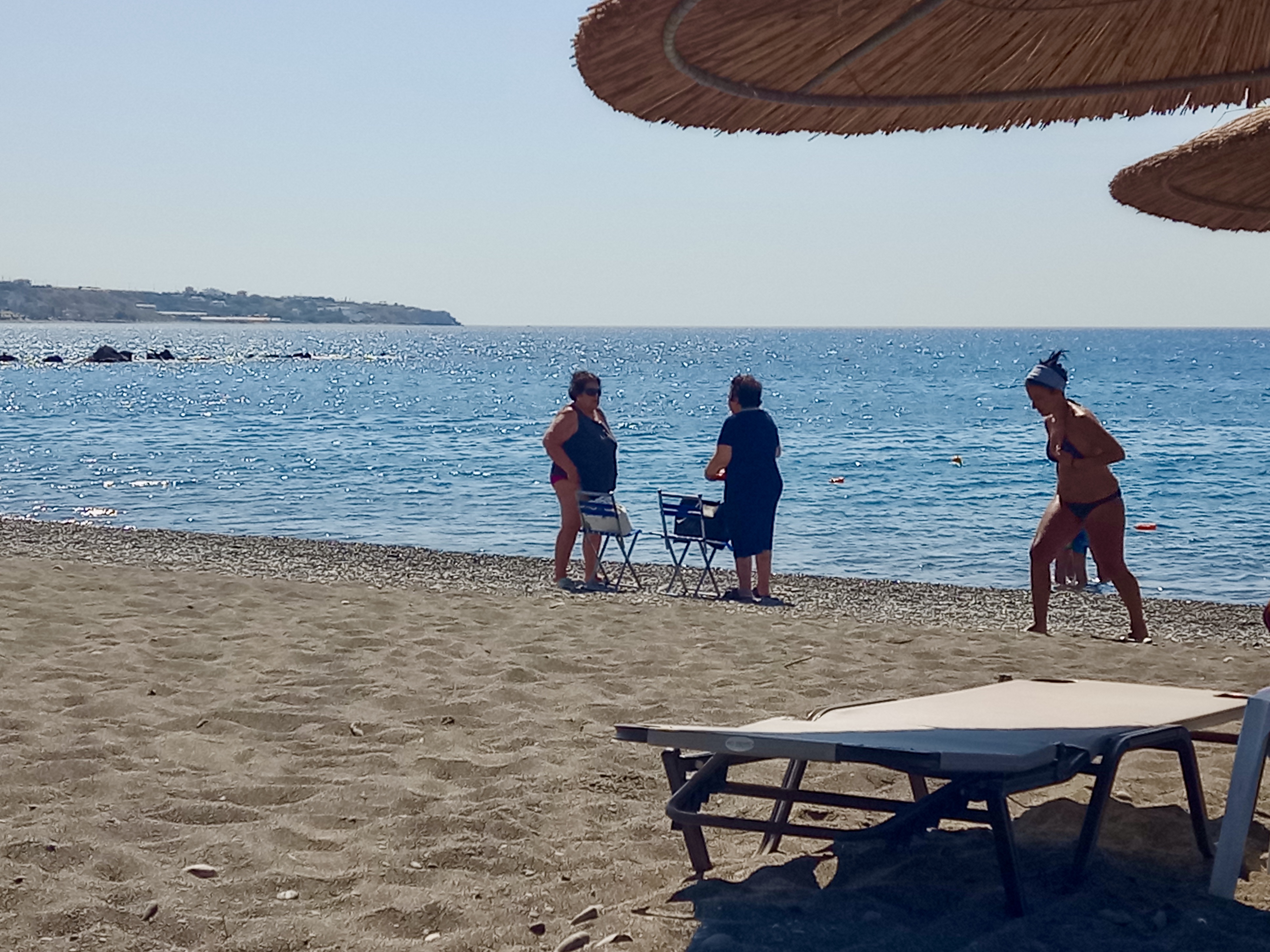


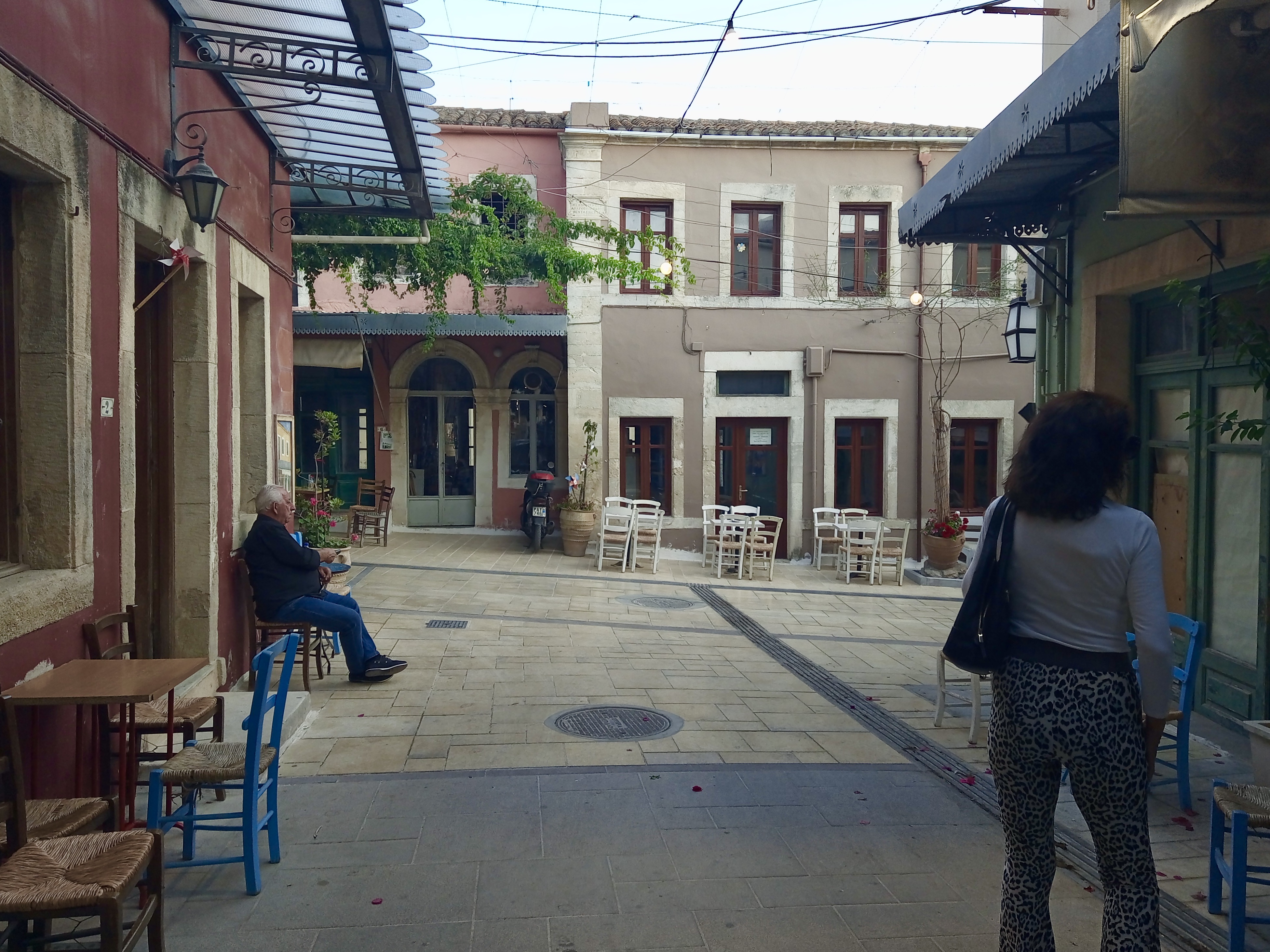
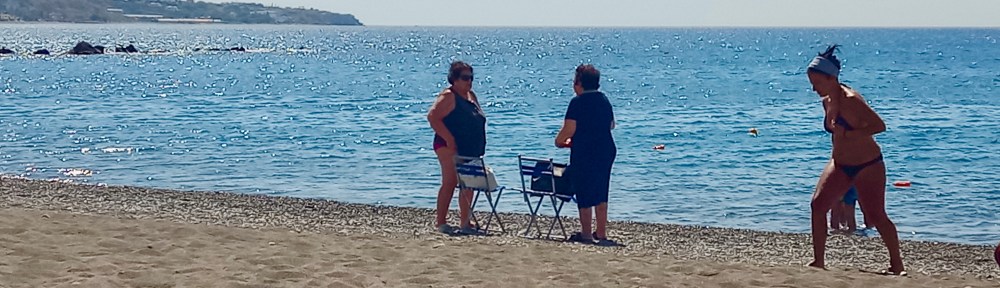
Gallery above (click for larger views): First photo is of an artichoke plant just below our neighbours’ terrace. In Greek they’re called αγκινάρες, ‘anginarres,’ and they’re a delicacy of village food. When they’re in full bloom the colour is exquisite. Then there’s a sight that will be familiar to anyone in Greece who lives near the sea. A couple of ya-yas setting up their folding chairs, before heaving off their dresses and wading into the water for a half-hour chat, during which they’ll simply tread water non-stop for the duration, before exiting the water, drying off and trotting home again. Photo three is a corner in Ierapetra Old Town and number four is a superb globe thistle in one of the lanes near the village here. Globe thistles can easily grow to six feet tall. Photo five is a small corner in Heraklion, and it’s an antique and curio store. The last one is one more from our short break in Archanes.
•
Click HERE to go to my Amazon Author Page, where you can browse and purchase all of my seventeen written works.
 Accretions
I have relatives who flew to Chios this morning. I pray they’ll be safe. Bob