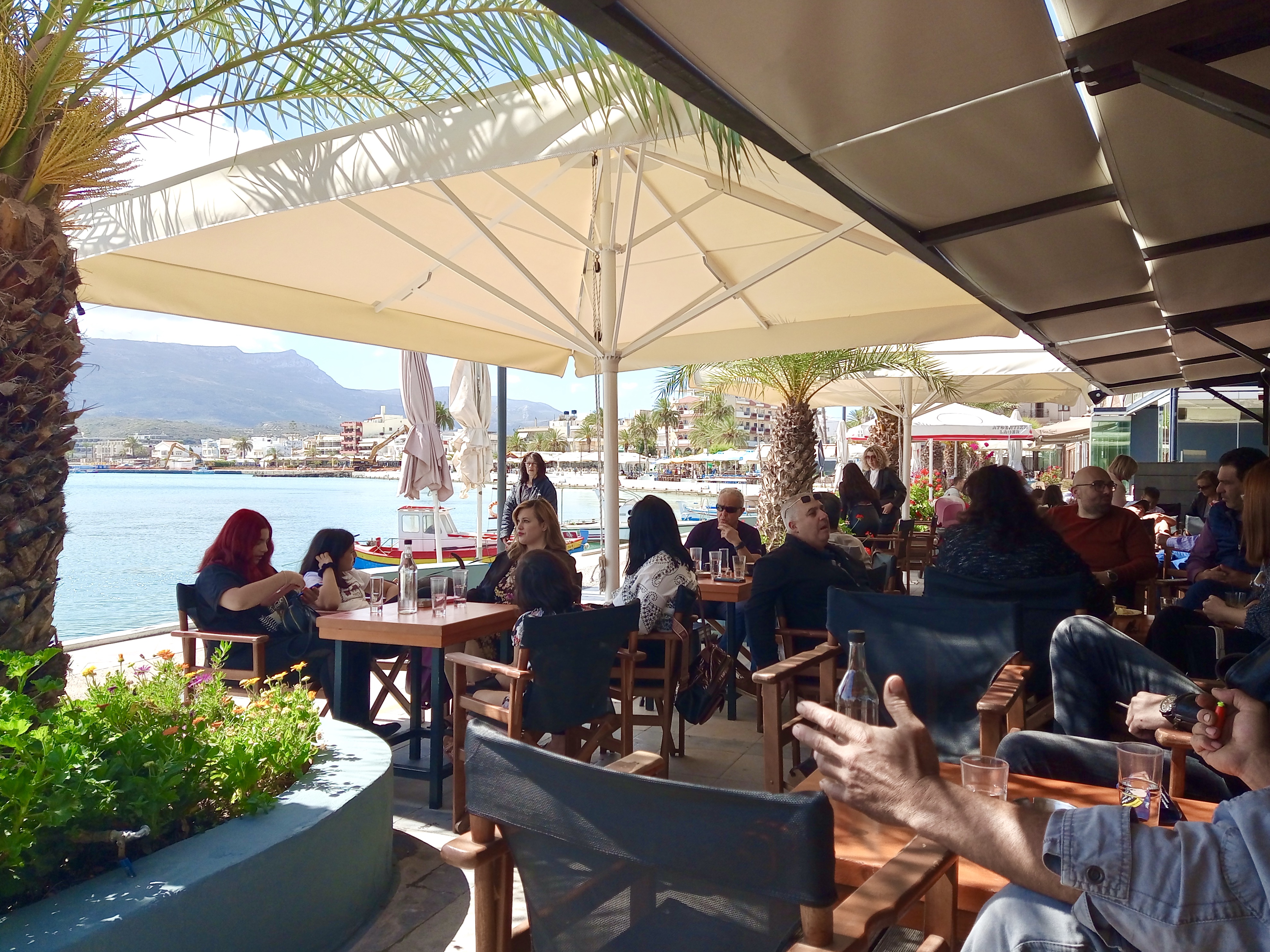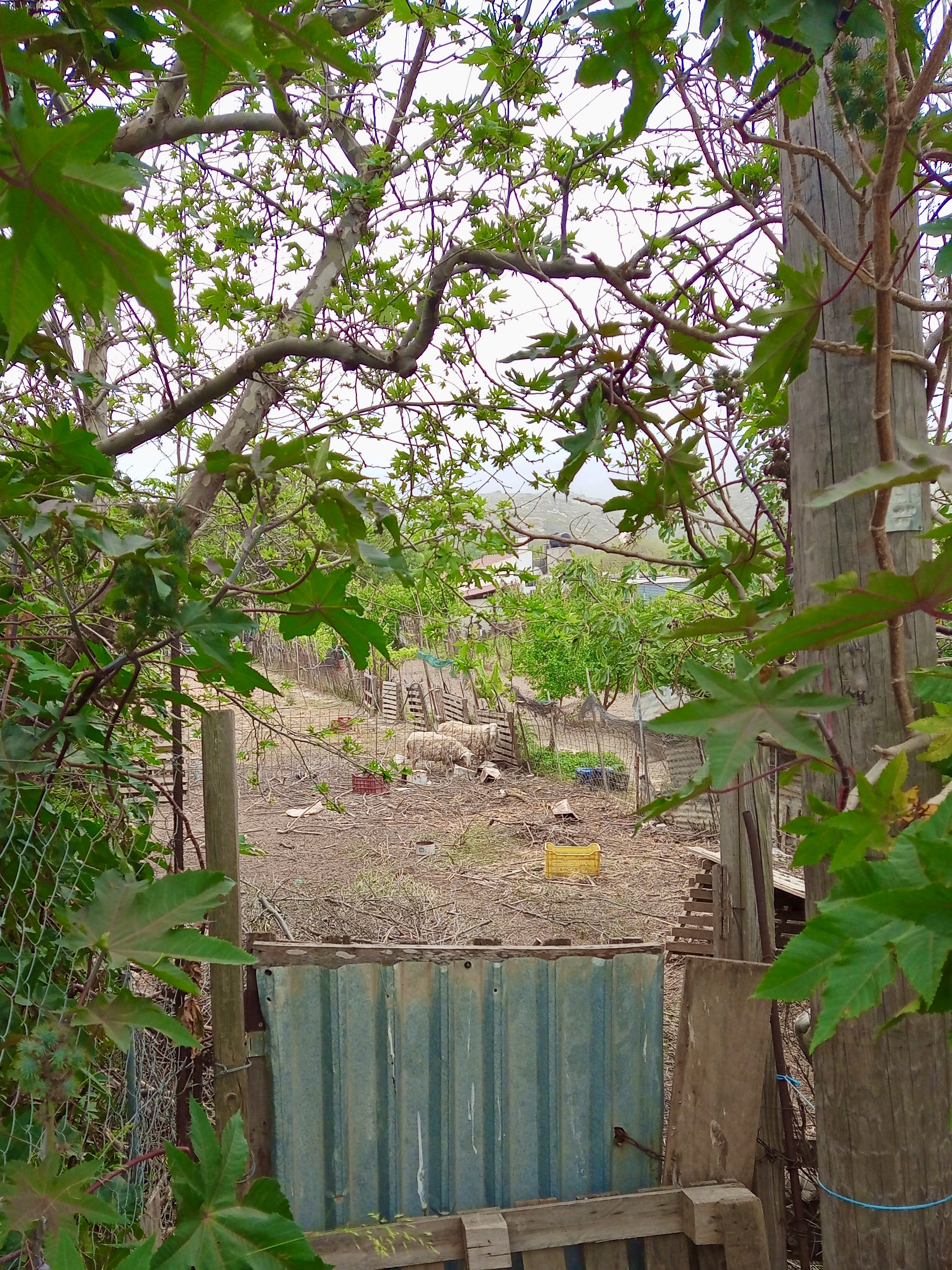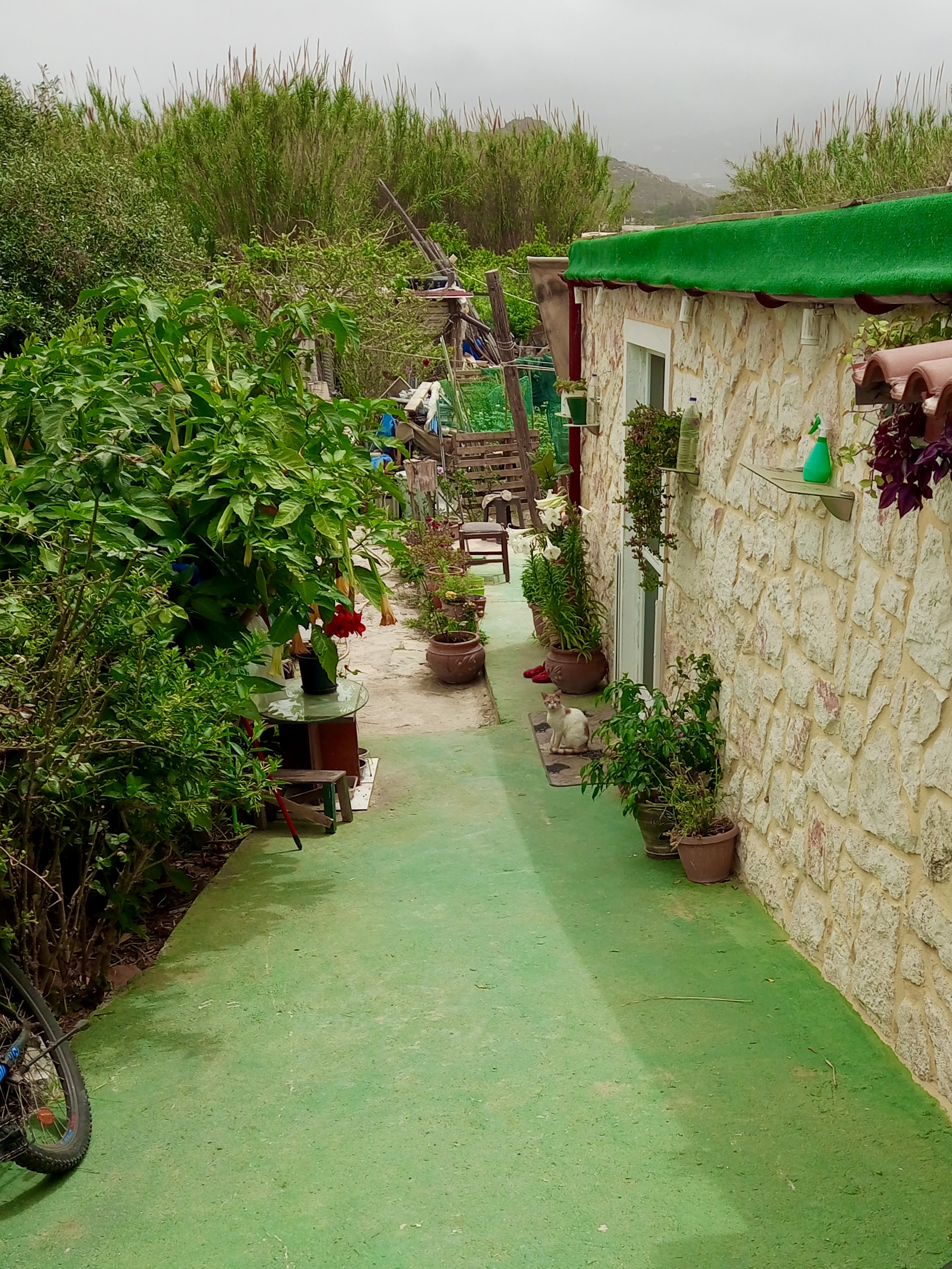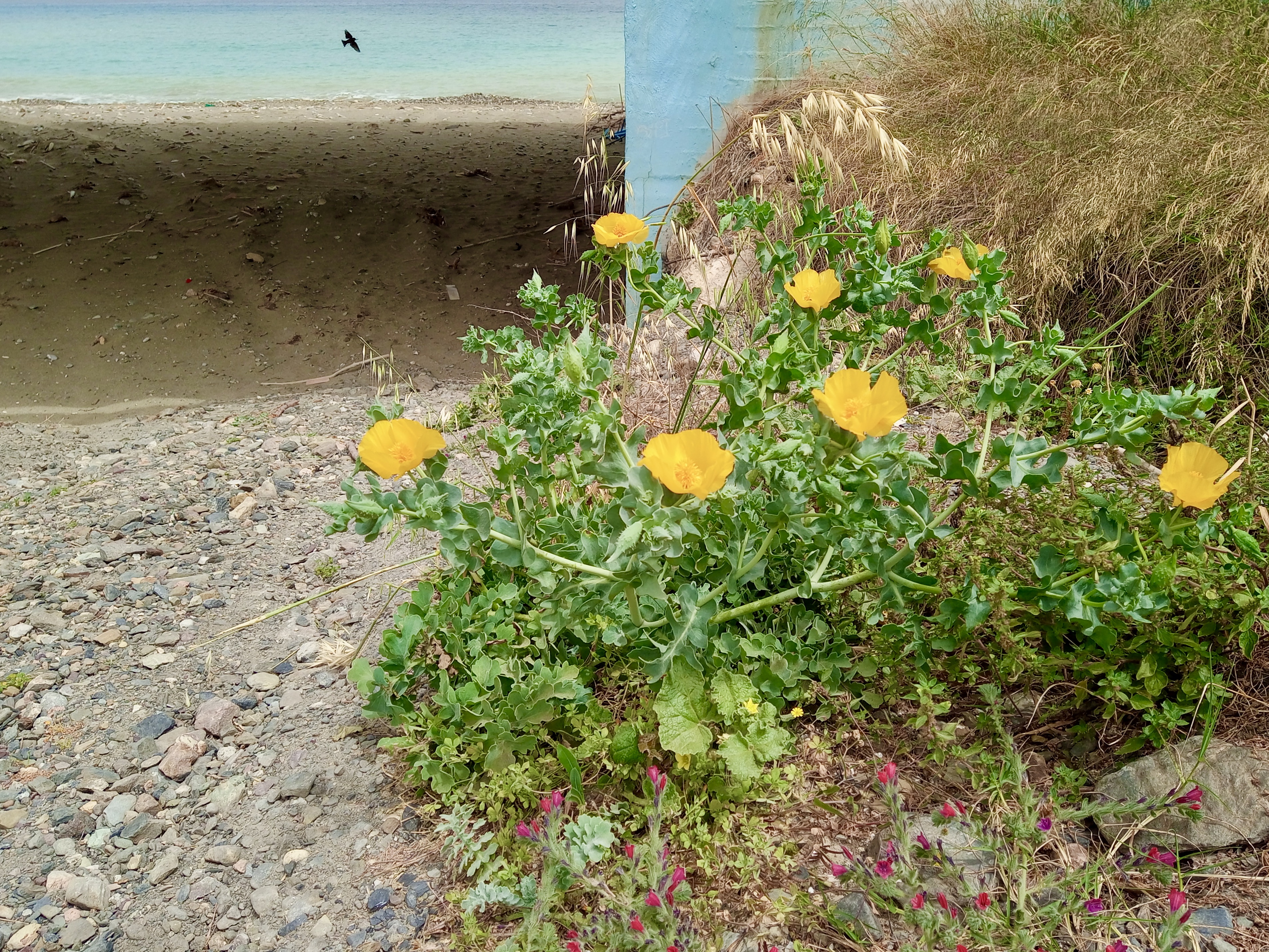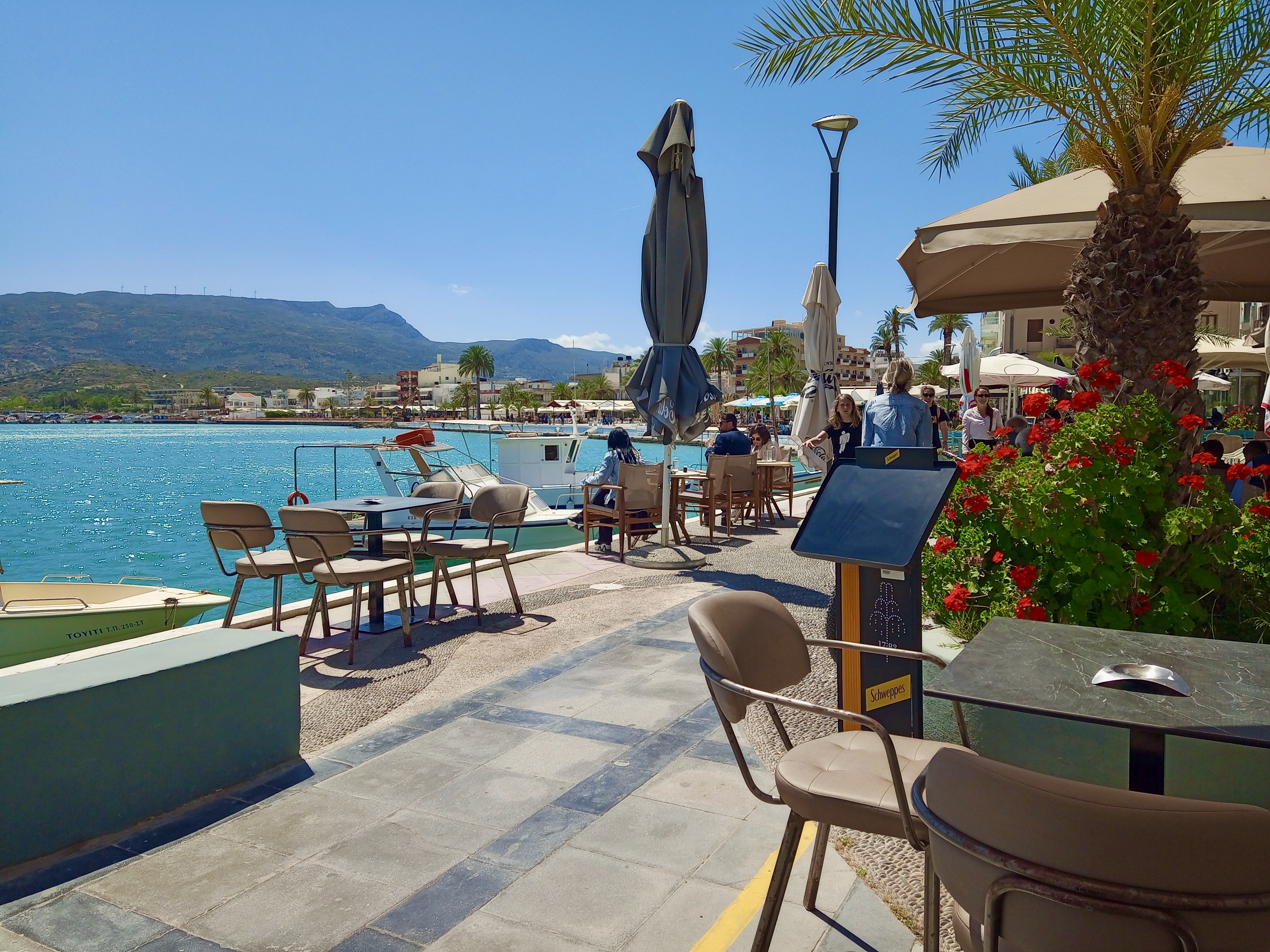
Here and there

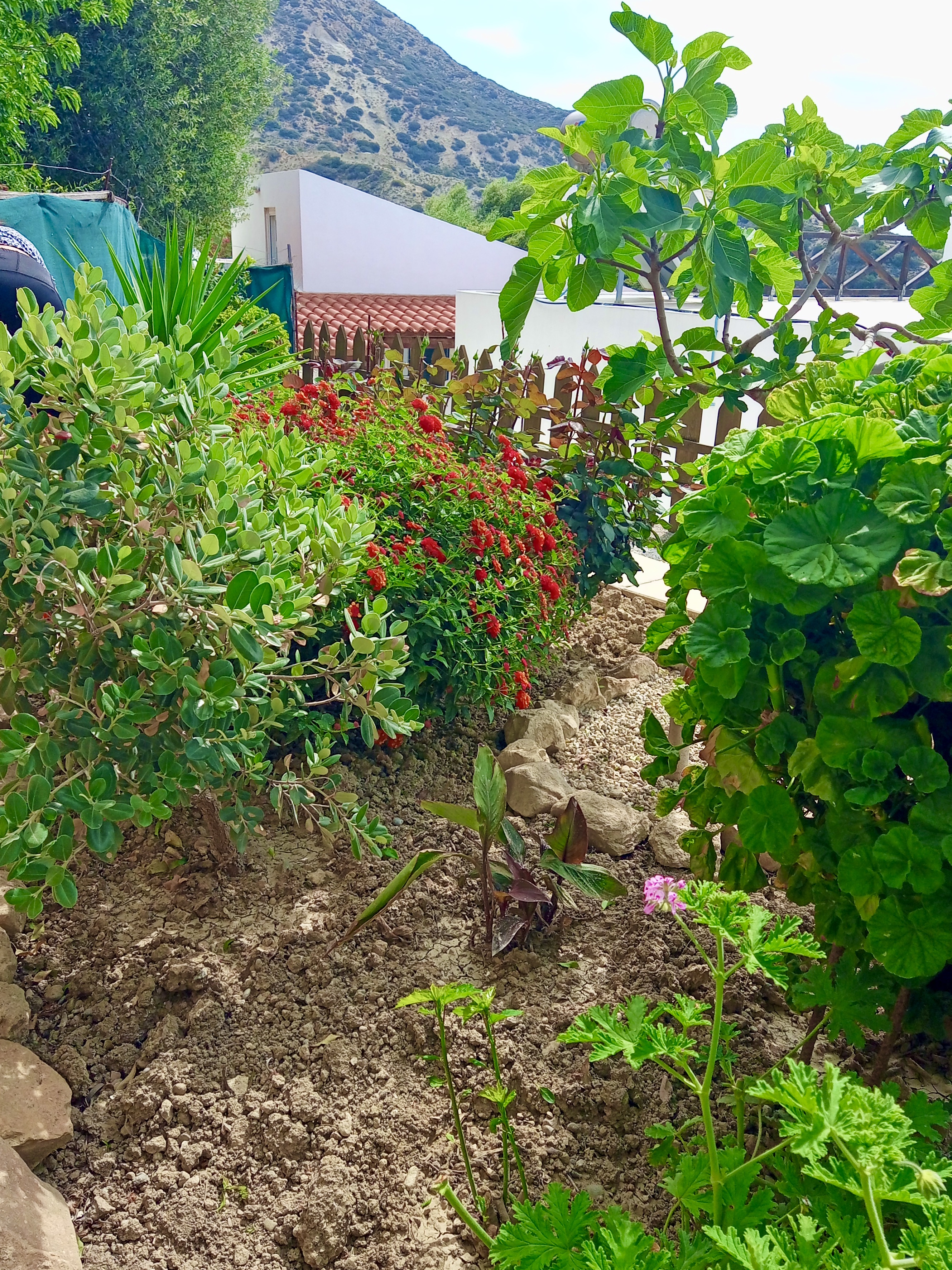
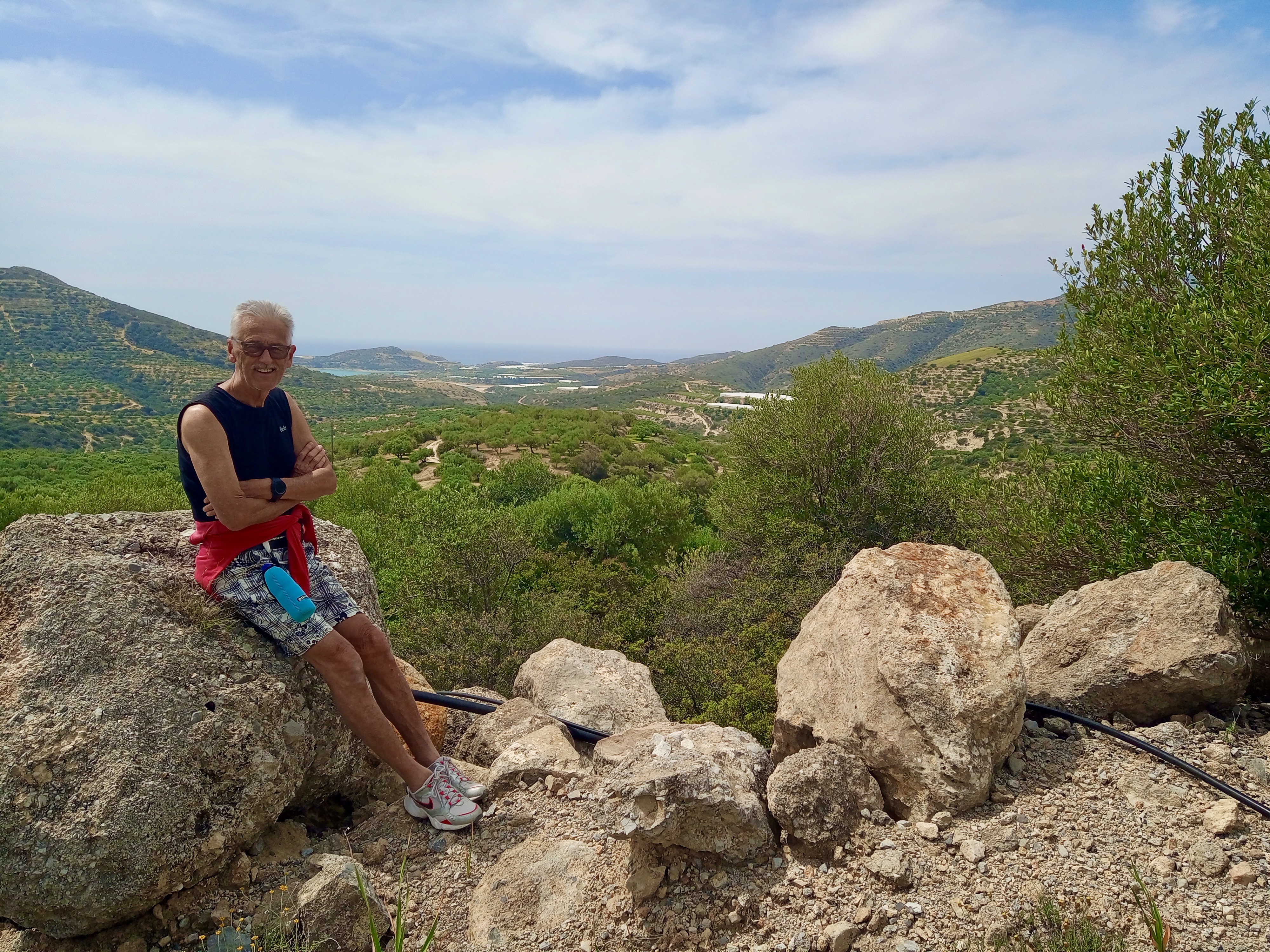
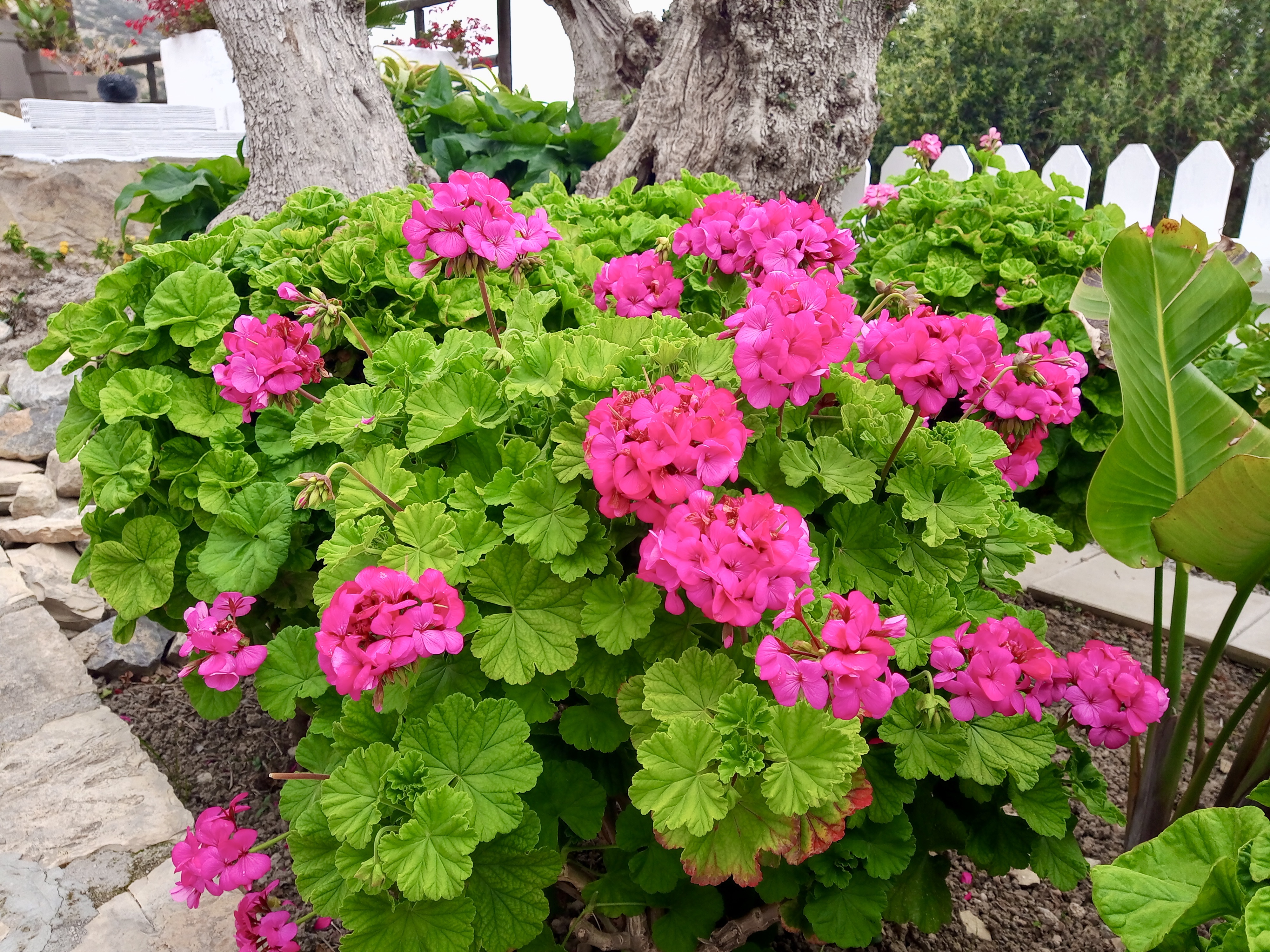
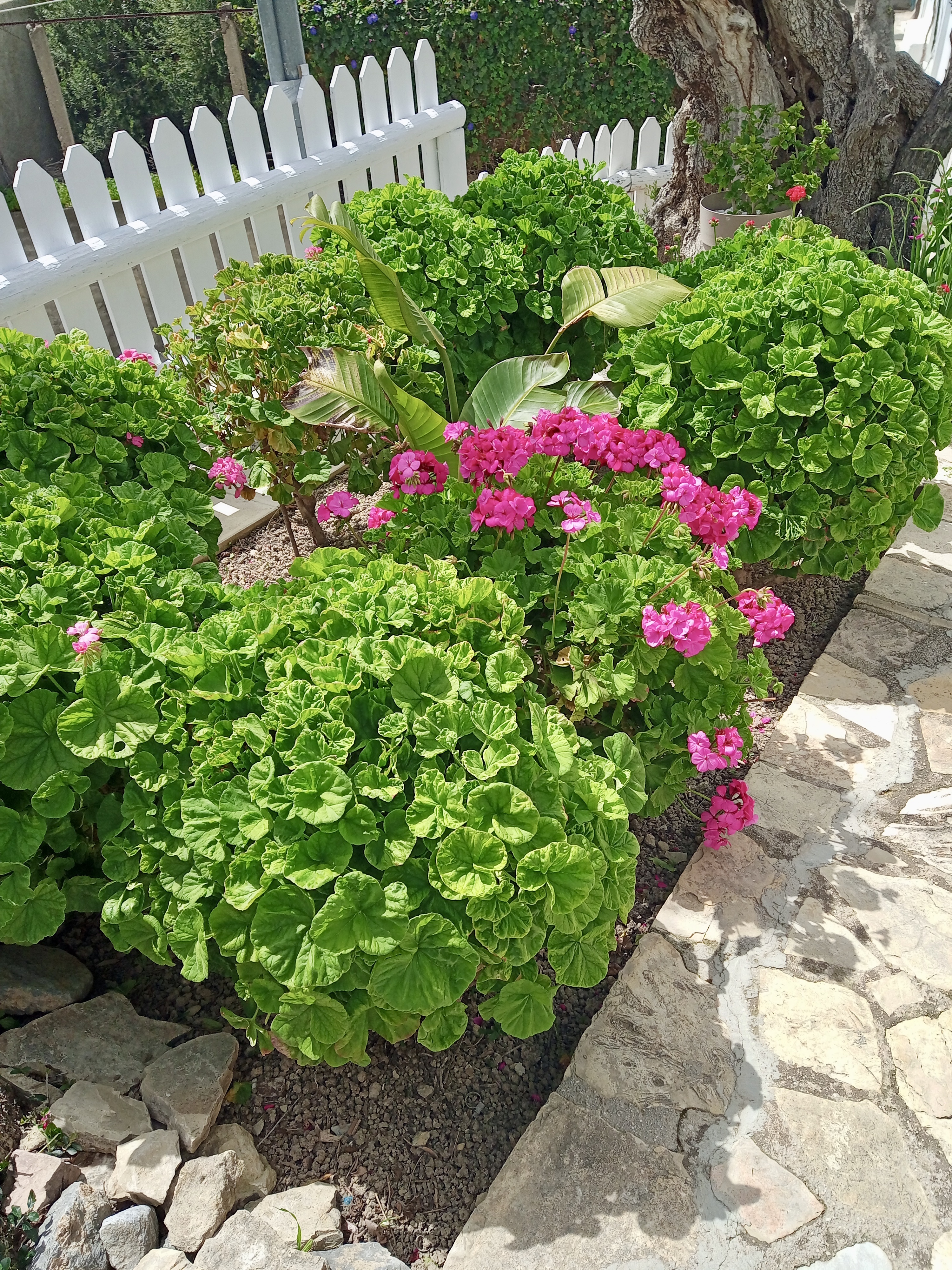
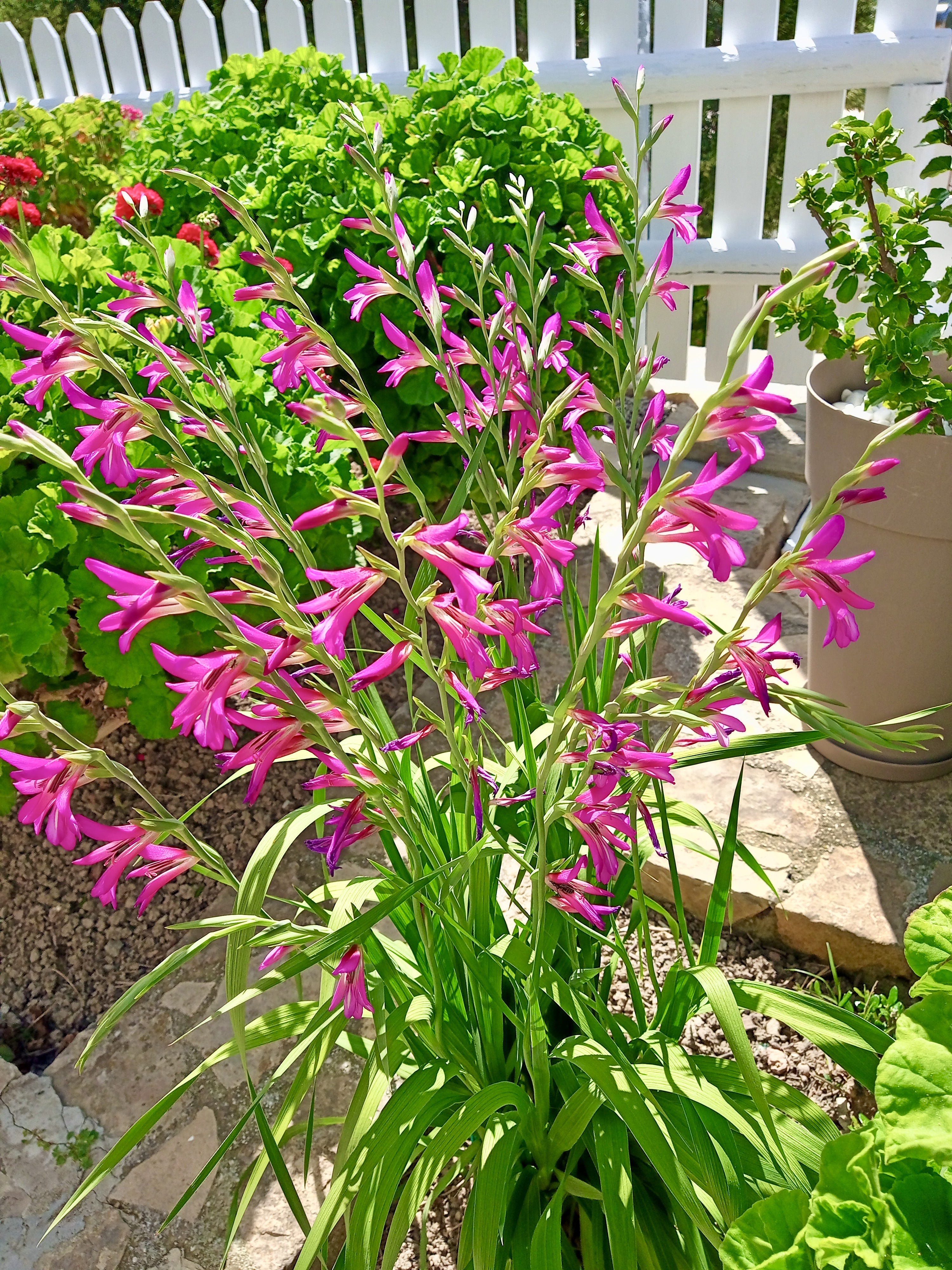
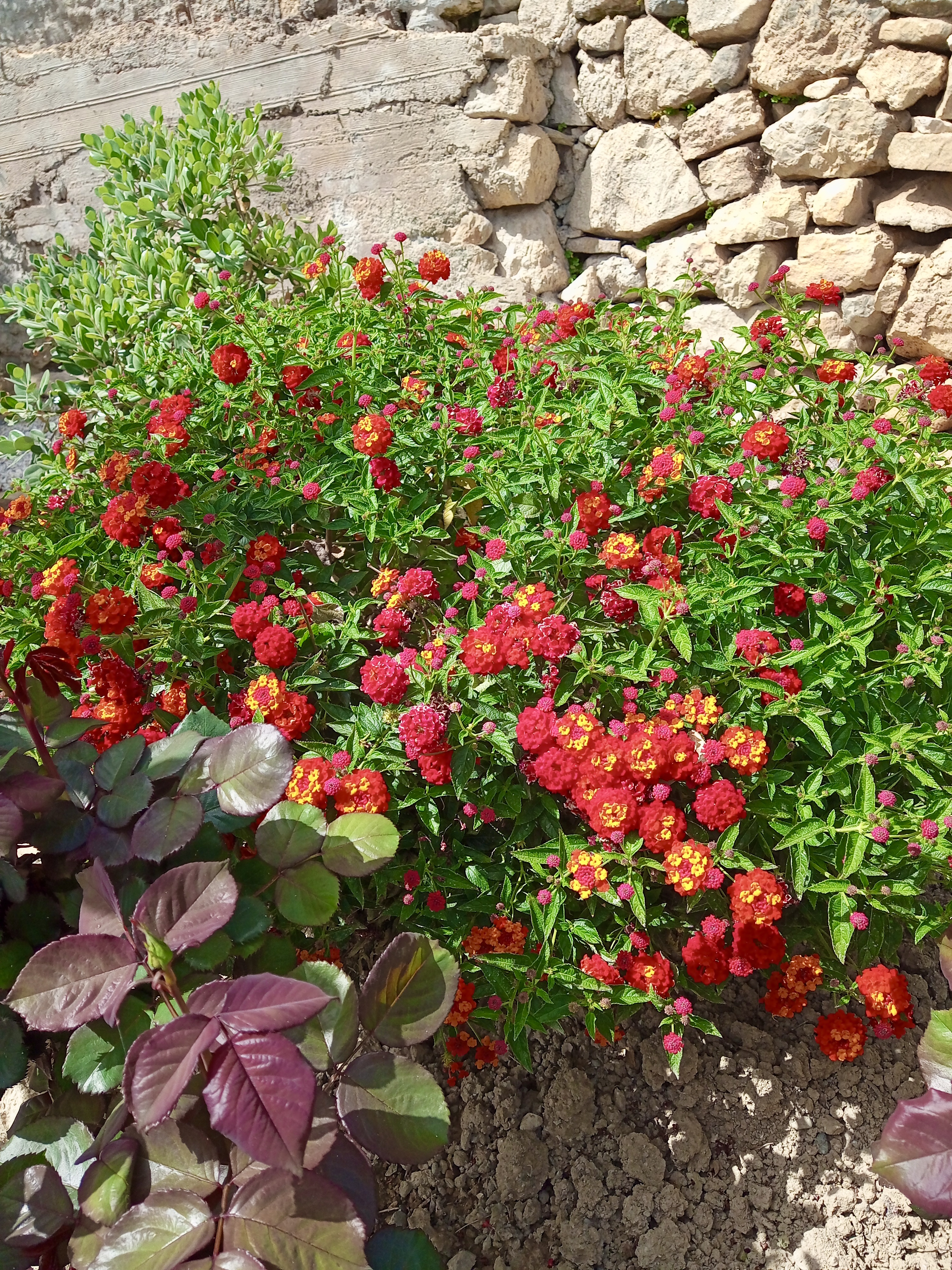
This photo (above) was taken at our former home in Kiotari, Rhodes in March of 2019, just a few months before we learned that the house was to be put on the market. It still chills me to the bone to think that the whole place was razed to the ground by fire last summer, and that beautiful garden that we’d spent 14 years developing was reduced to ashes. Wendy (our friend and former landlady) tells me that the valley is slowly turning green again, although it’s still full of charred pillars that once were the trunks of mature pine trees that forested a large part of the valley. Apparently work has begun on rebuilding, but I don’t know if the new house will resemble the old one or not. No doubt she’ll send me some photos as it develops.

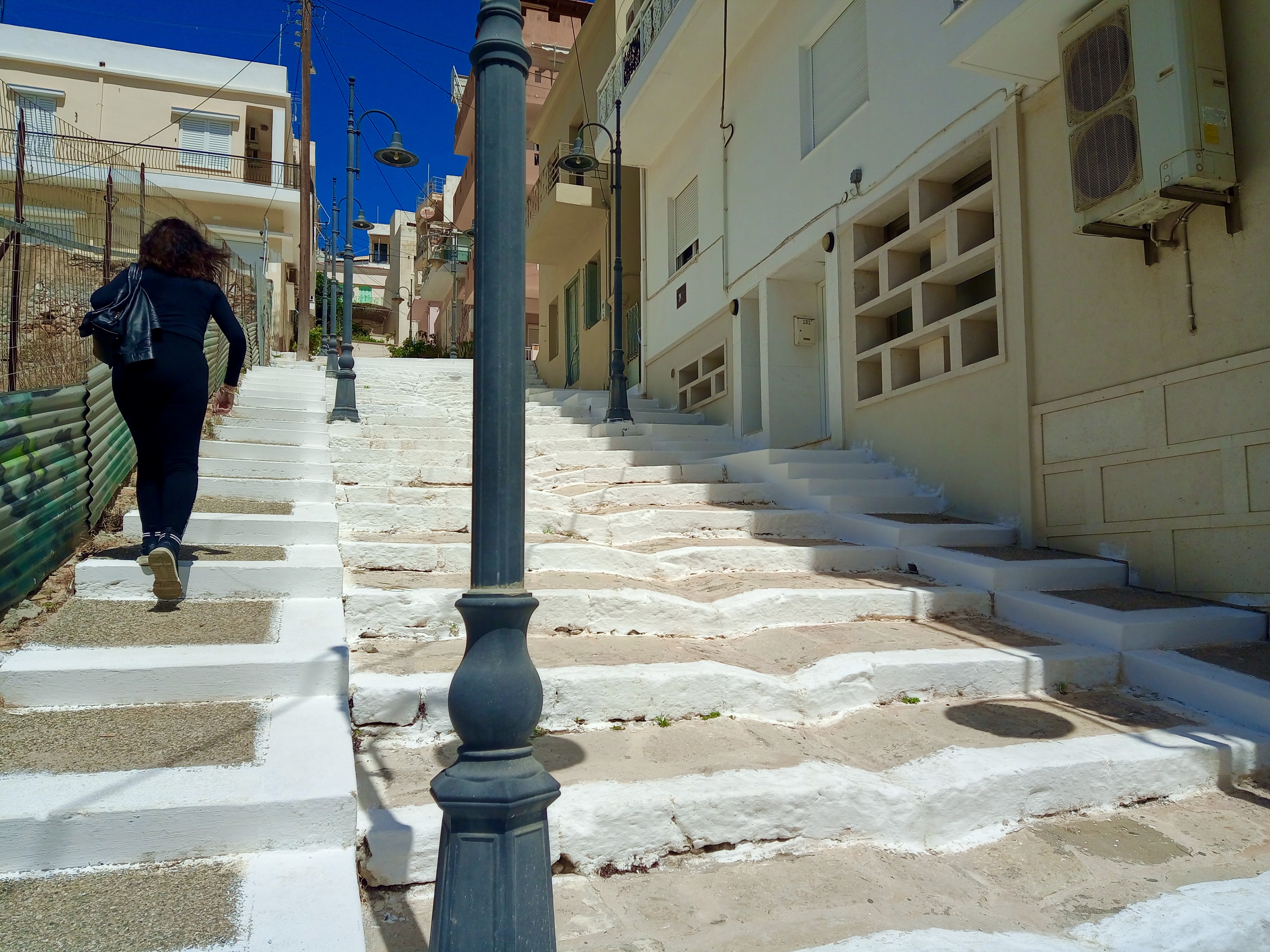
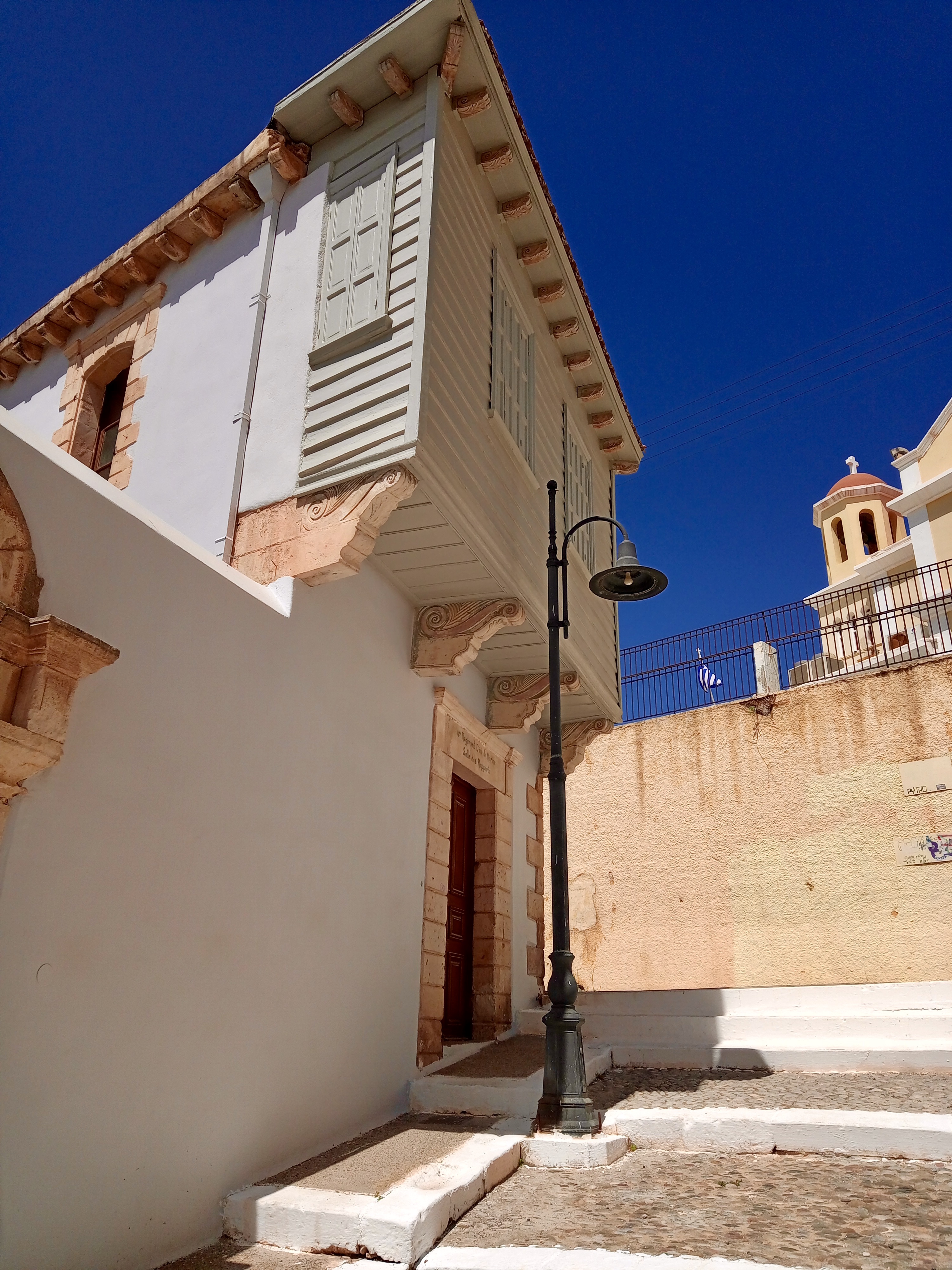
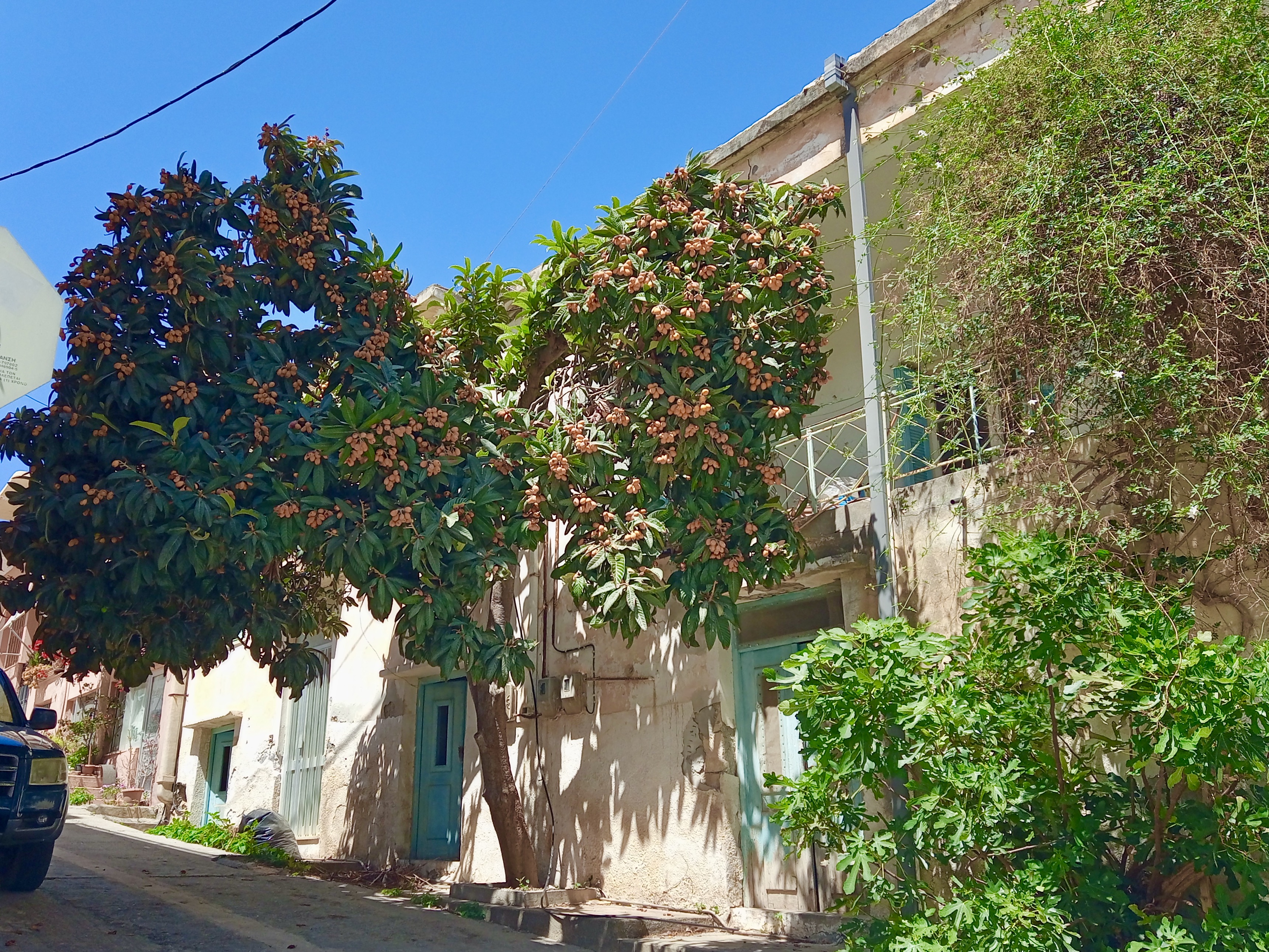
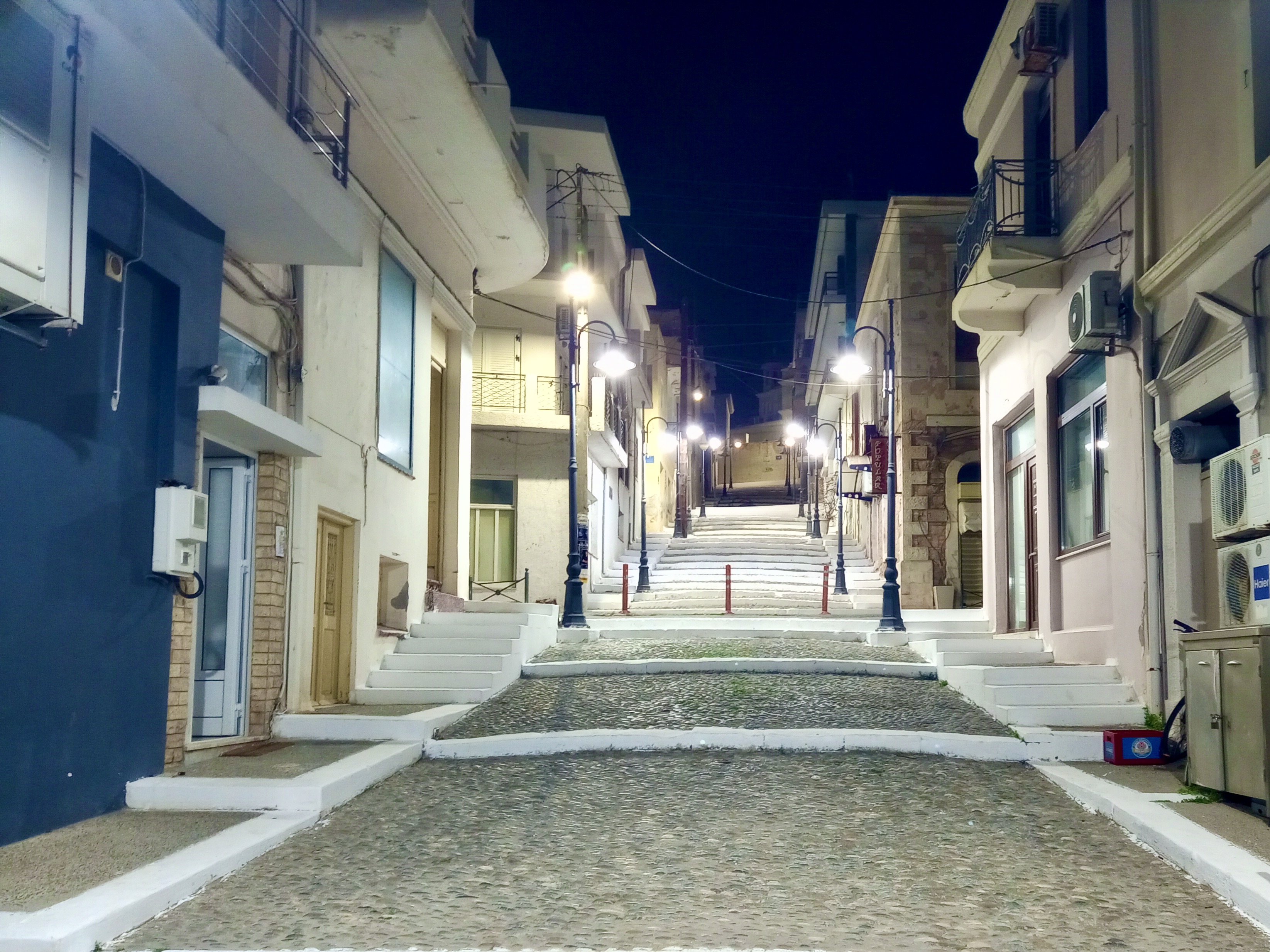
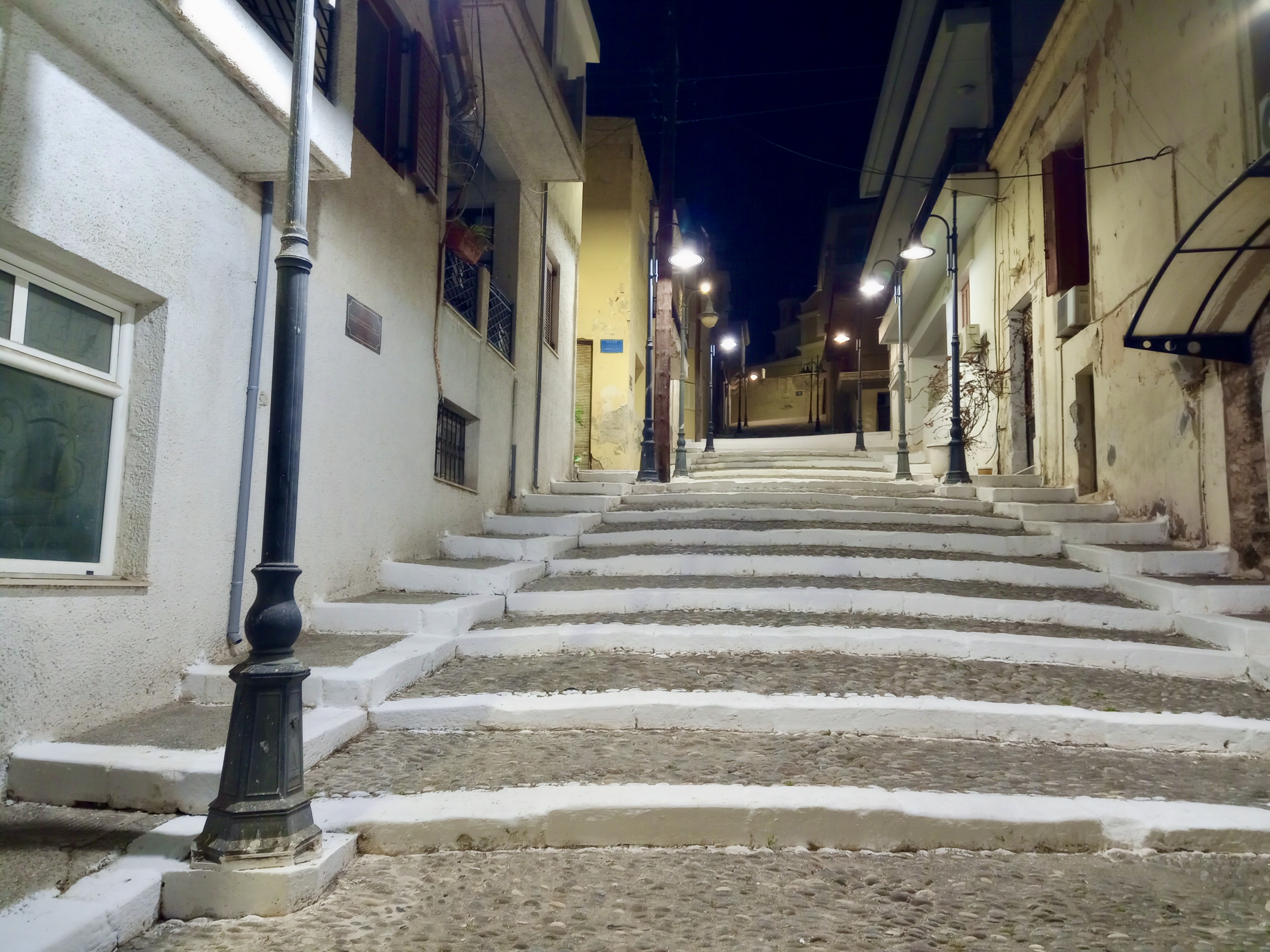
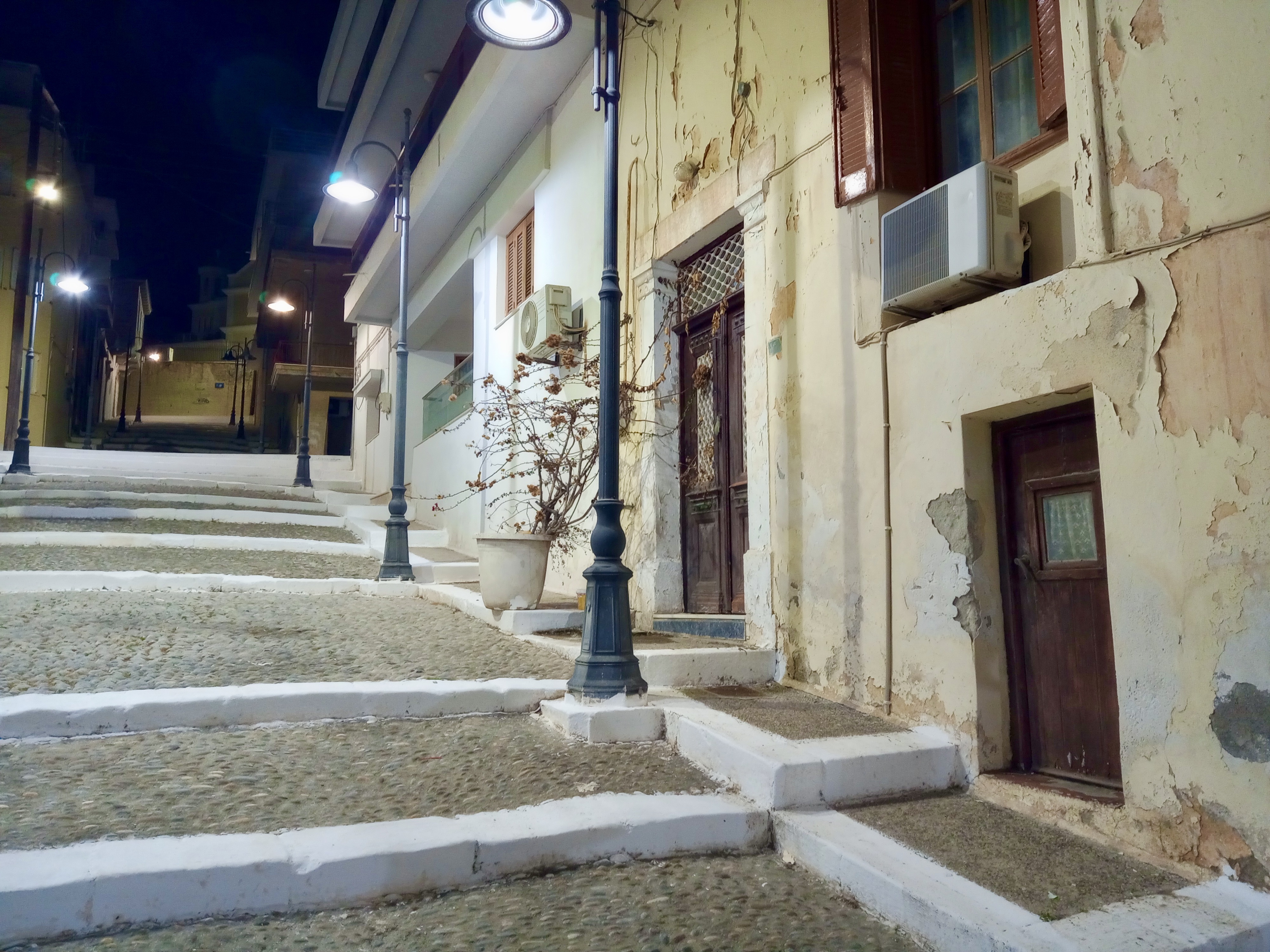
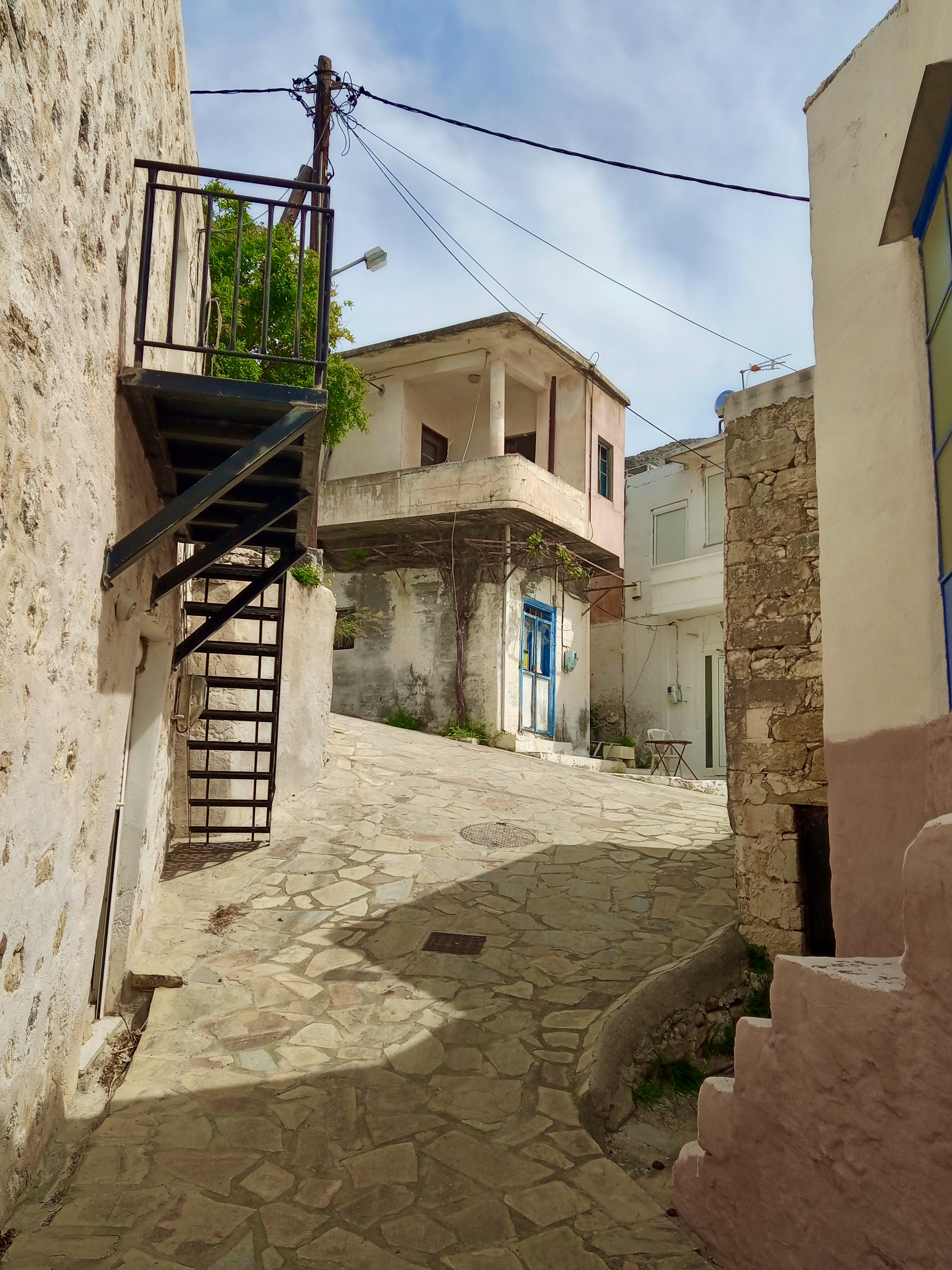
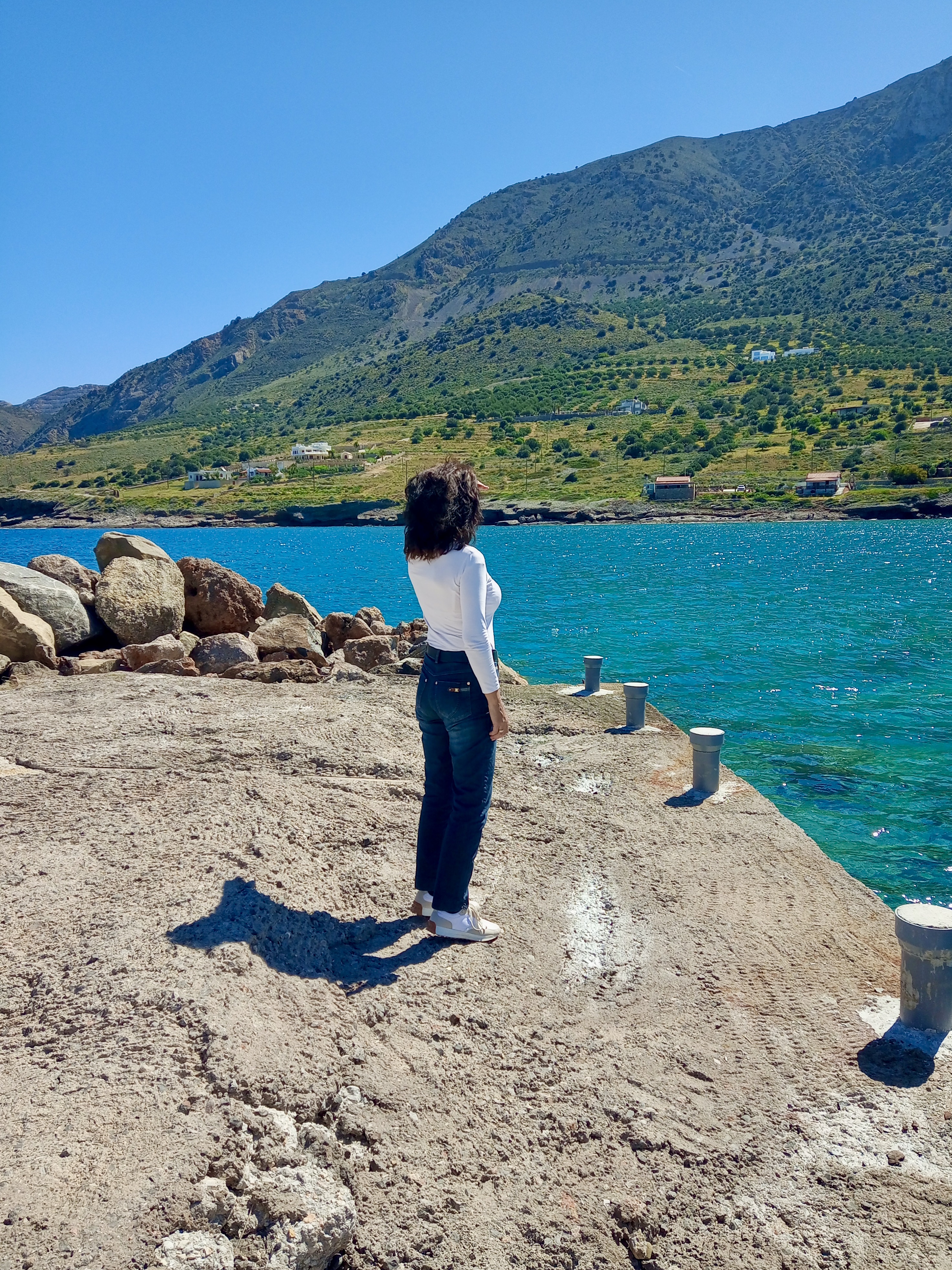
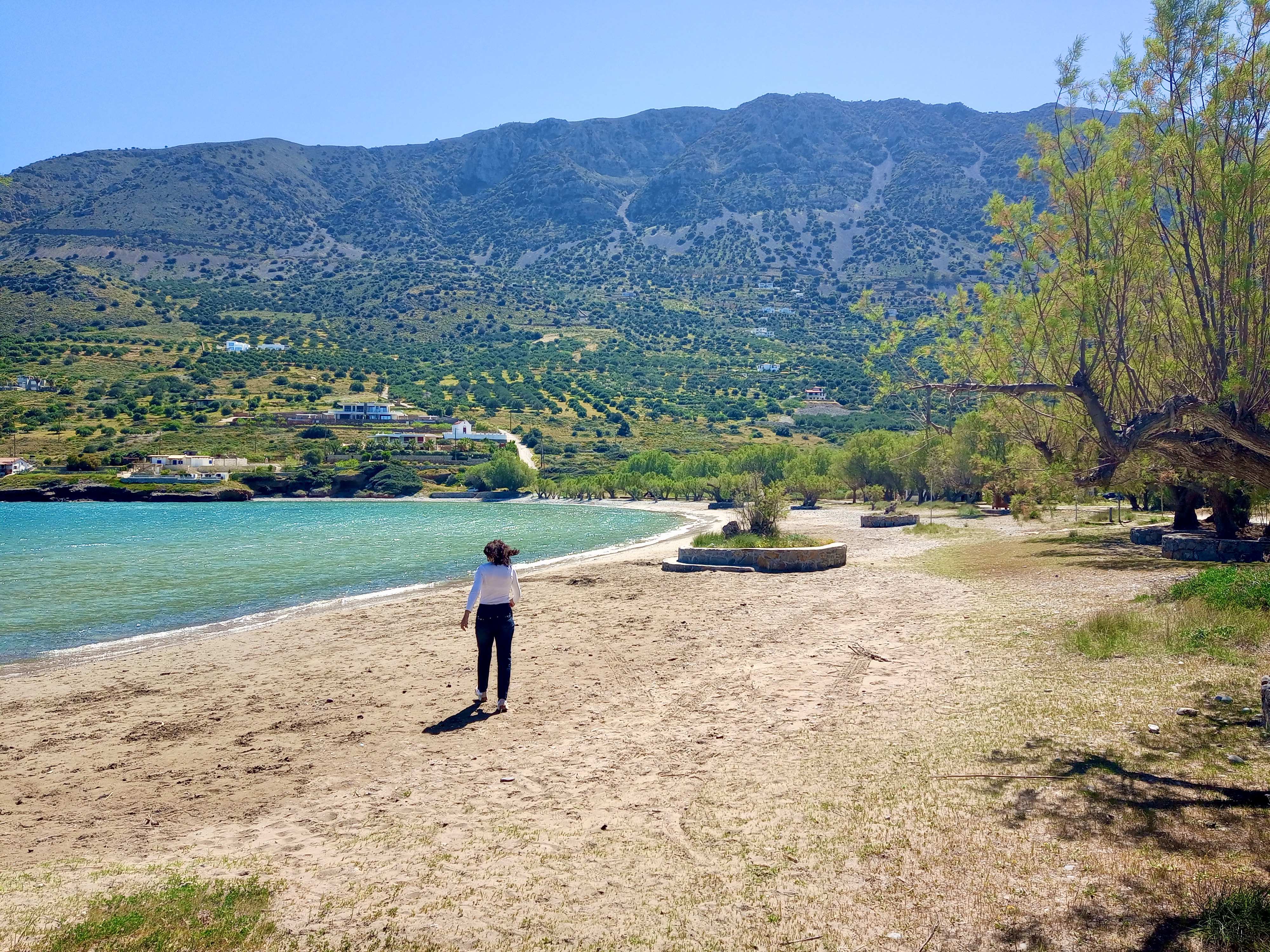
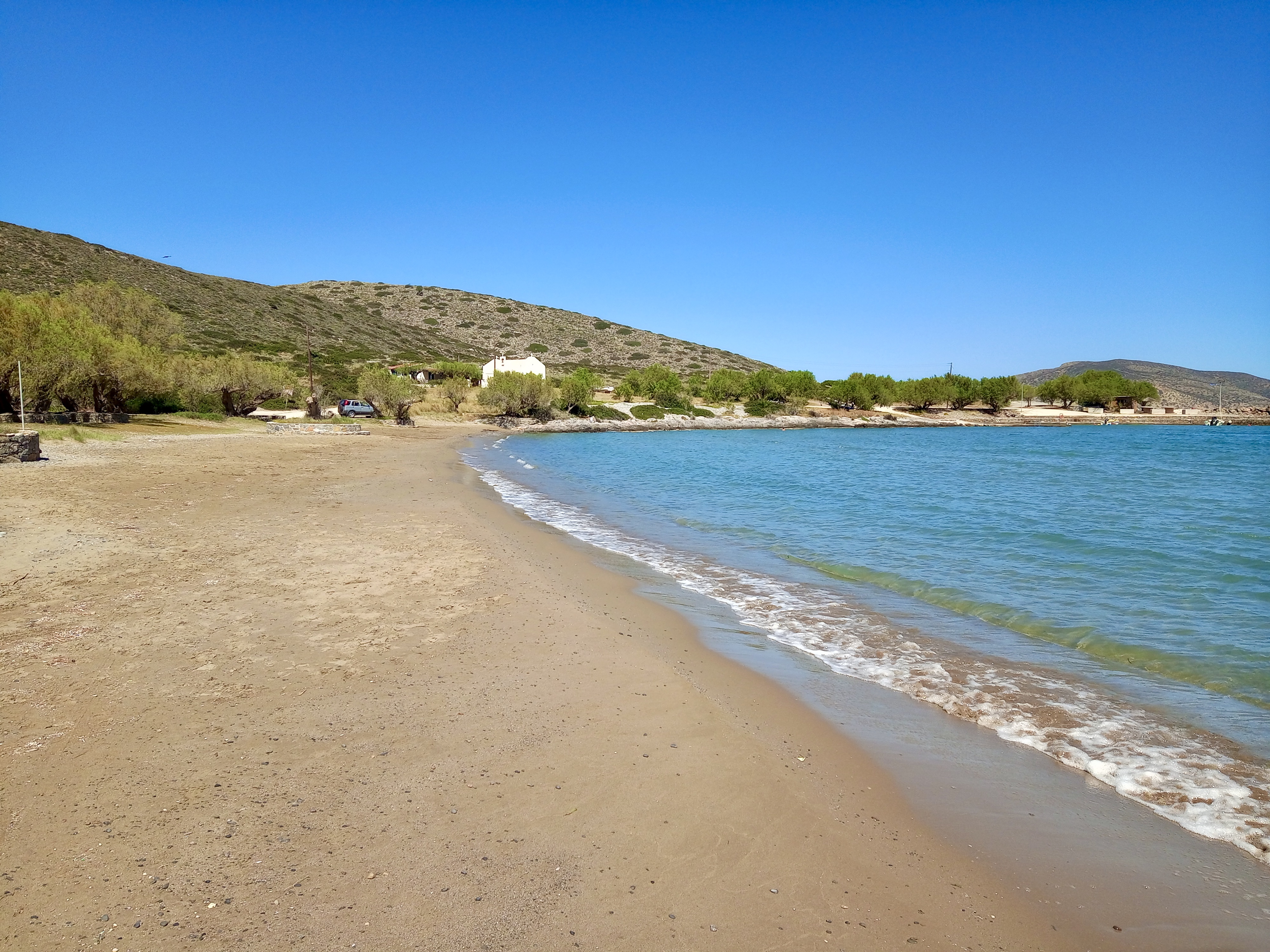
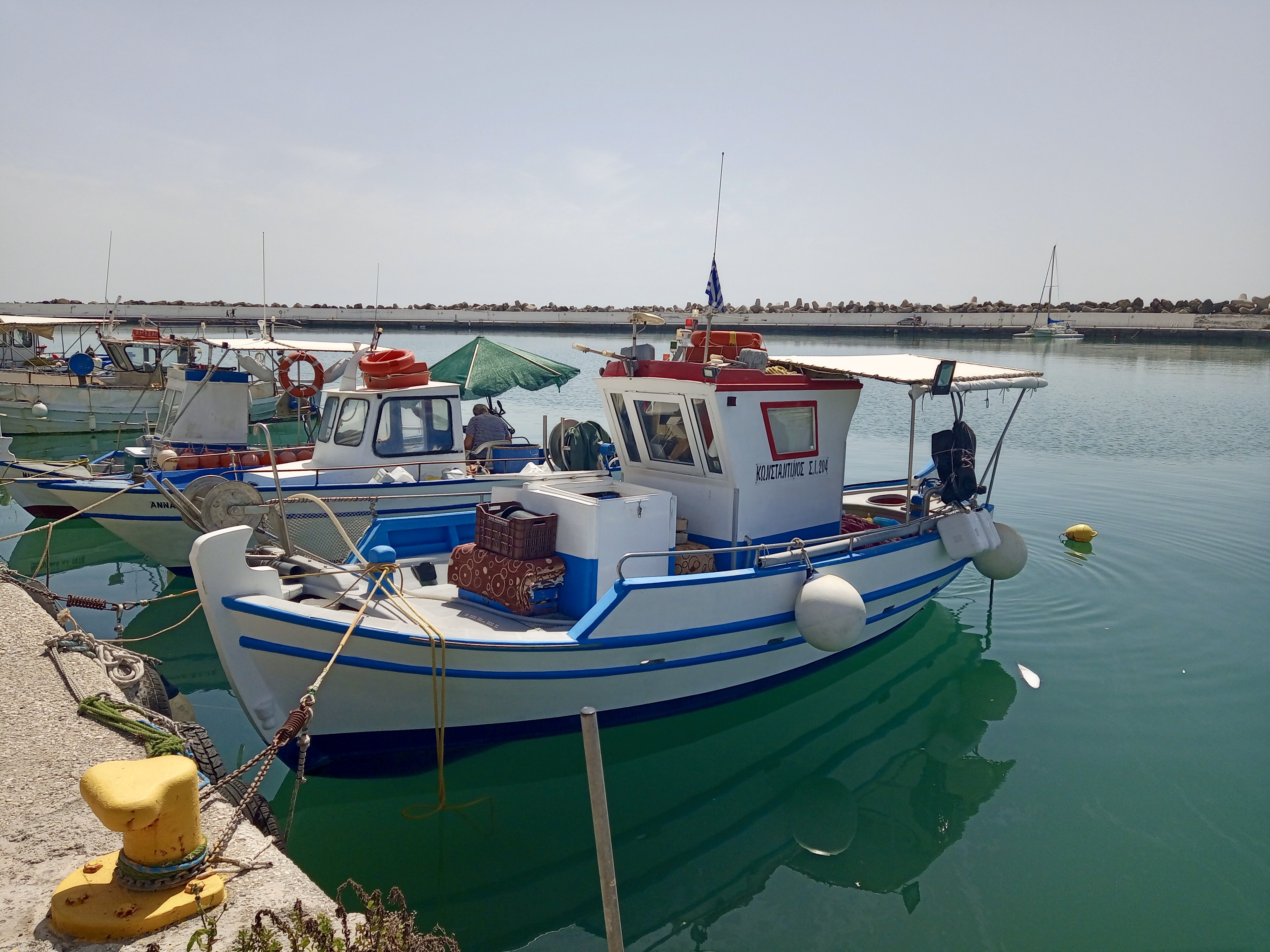
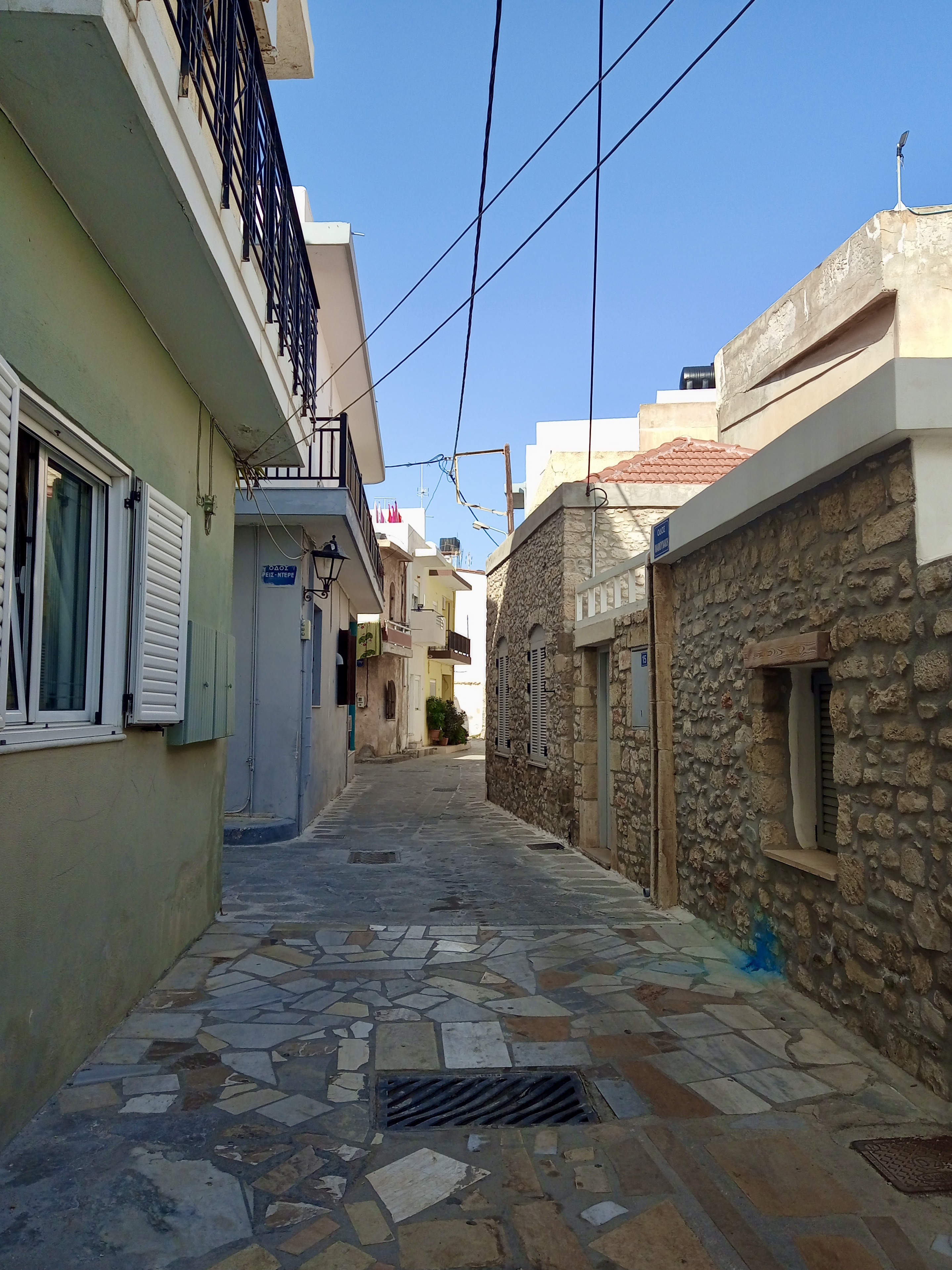
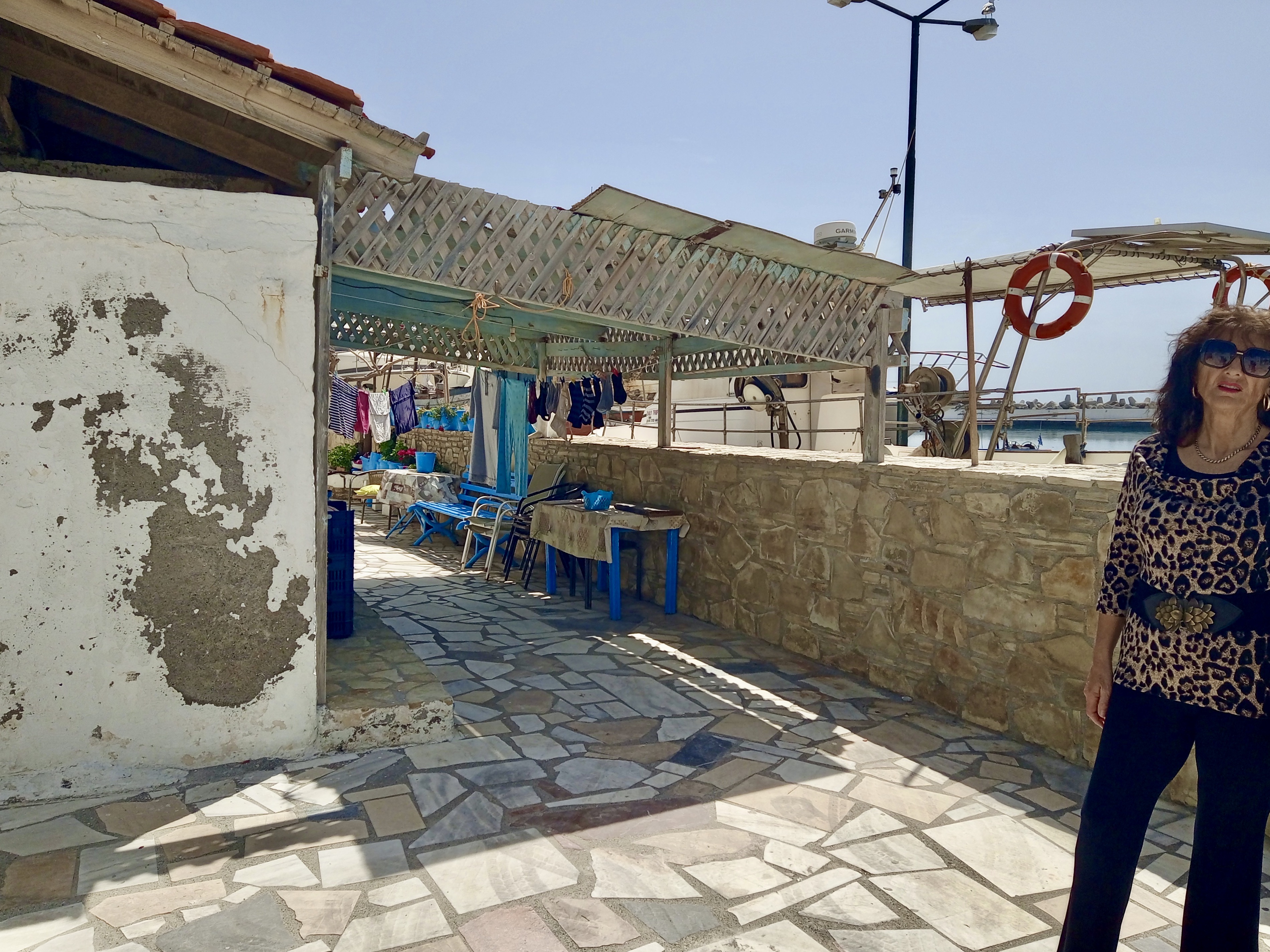
On Sunday May 12th we went to the village of Pefkos and that’s where the next gallery of photos were taken. Of course, everyone who knows Greece well will also know that travelling around the islands you come across the same names again and again, and the Pefkos I refer to here is in the hills between Mirtos and Viannou, and not the one that we used to live near back on Rhodes, which is a holiday resort right on the beach. Also, as another example, if you know Kefalonia well, you’ll also know that there’s a famous beach called Mirtos there too, and it featured in the scene where the mine is detonated on a beach. It’s not much like the coastal village here in Lasithi, which, although picturesque, also gets a lot of visitors during the tourist season. Anyway, here are a few views of sleepy Pefkos in Lasithi…

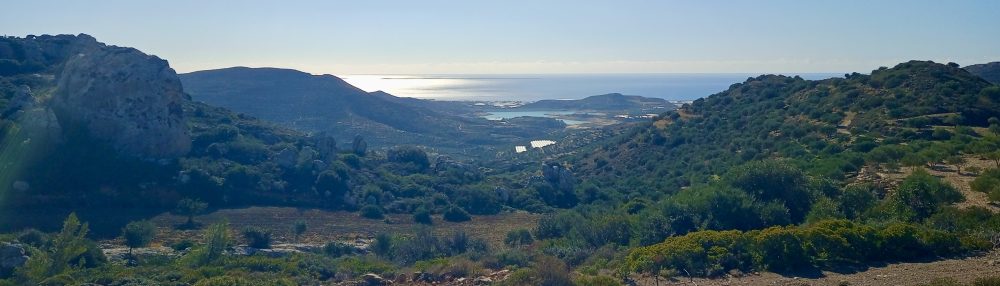
The next few are from a walk we did in the hills around the village on May 10th…

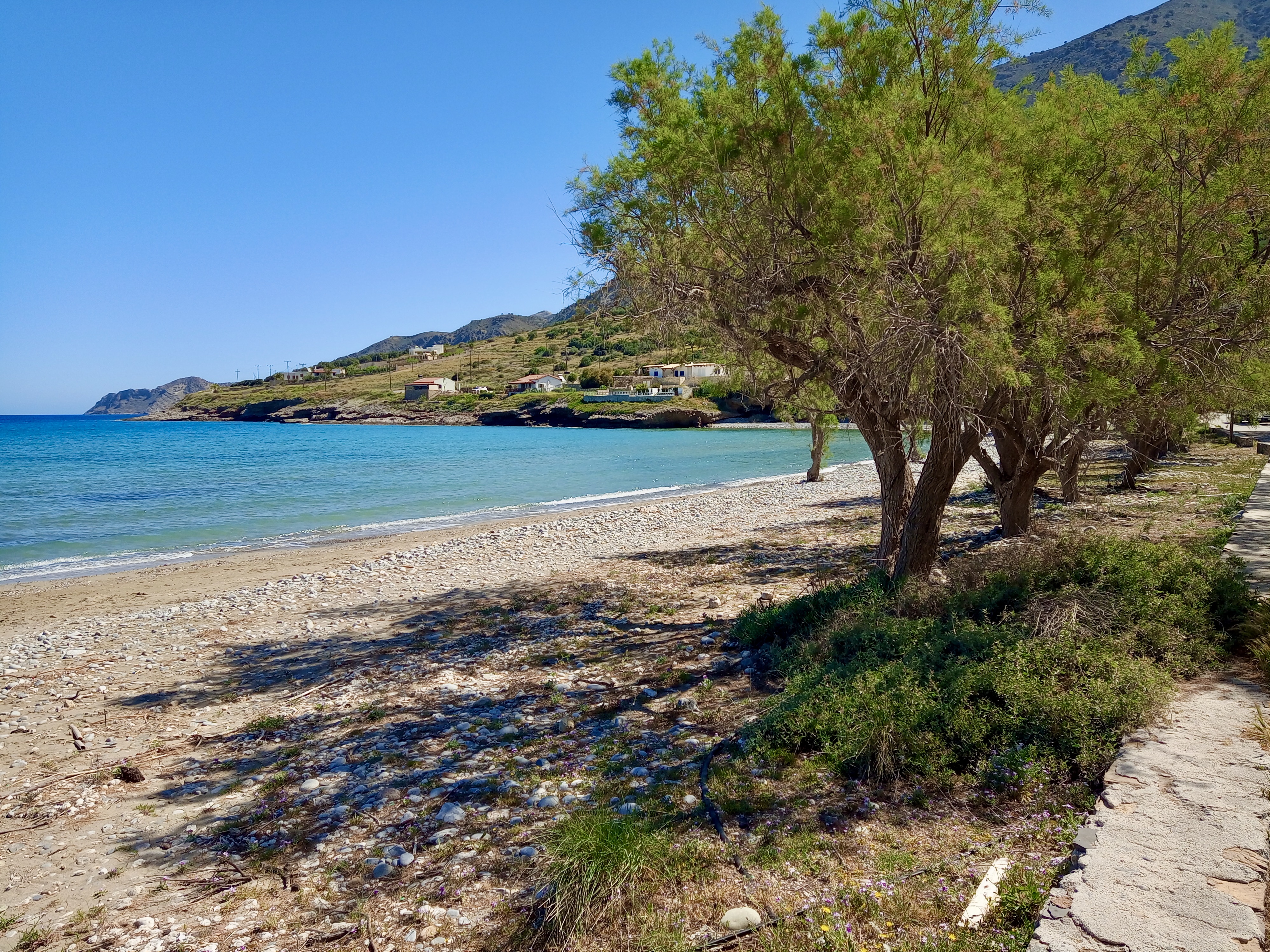
…and the ones below are from the Town beach on Thursday 16th…

Although it looks like a damn fine job that’s being done to renovate the Venetian Fortress at the entrance to the Harbour, it’s getting us down a bit how long it’s taking to complete the work. The sign below is on display beside the wall, and it suggests that the work should have been completed four years ago. OK, so we’ve had a pandemic since, but still, it’s a little disappointing for visitors who have read about the place and who come here with a view to including a visit to it in their itinerary. It seems that the E.U. has coughed up almost €800k to carry out the job too. Flippin’ ‘eck, eh?

Another ‘place of interest’ in Ierapetra that quite a few visitors look for is what’s rather ambitiously called ‘Napoleon’s House.’ I’ve talked about it before, as it’s in the Old Town just one block back from the south beach, not more than a hundred metres from the fortress too. OK, so it looks old, and Napoleon did stay there incognito with a local family when his ship anchored in Crete for one night in 1798 en route to his Egyptian campaign. He apparently left a note revealing his identity, and it was only then (after his fleet had sailed away) that the house owners discovered who their guest had been. That fact aside, it still merits a visit out of curiosity, doesn’t it? After all, it is rather photogenic. The only problem is, since the local authority declared it open to the public last year, and placed a rather exciting-looking graphic outside the door, it’s been kept padlocked – incessantly. Here’s what it looks like from the outside anyway…

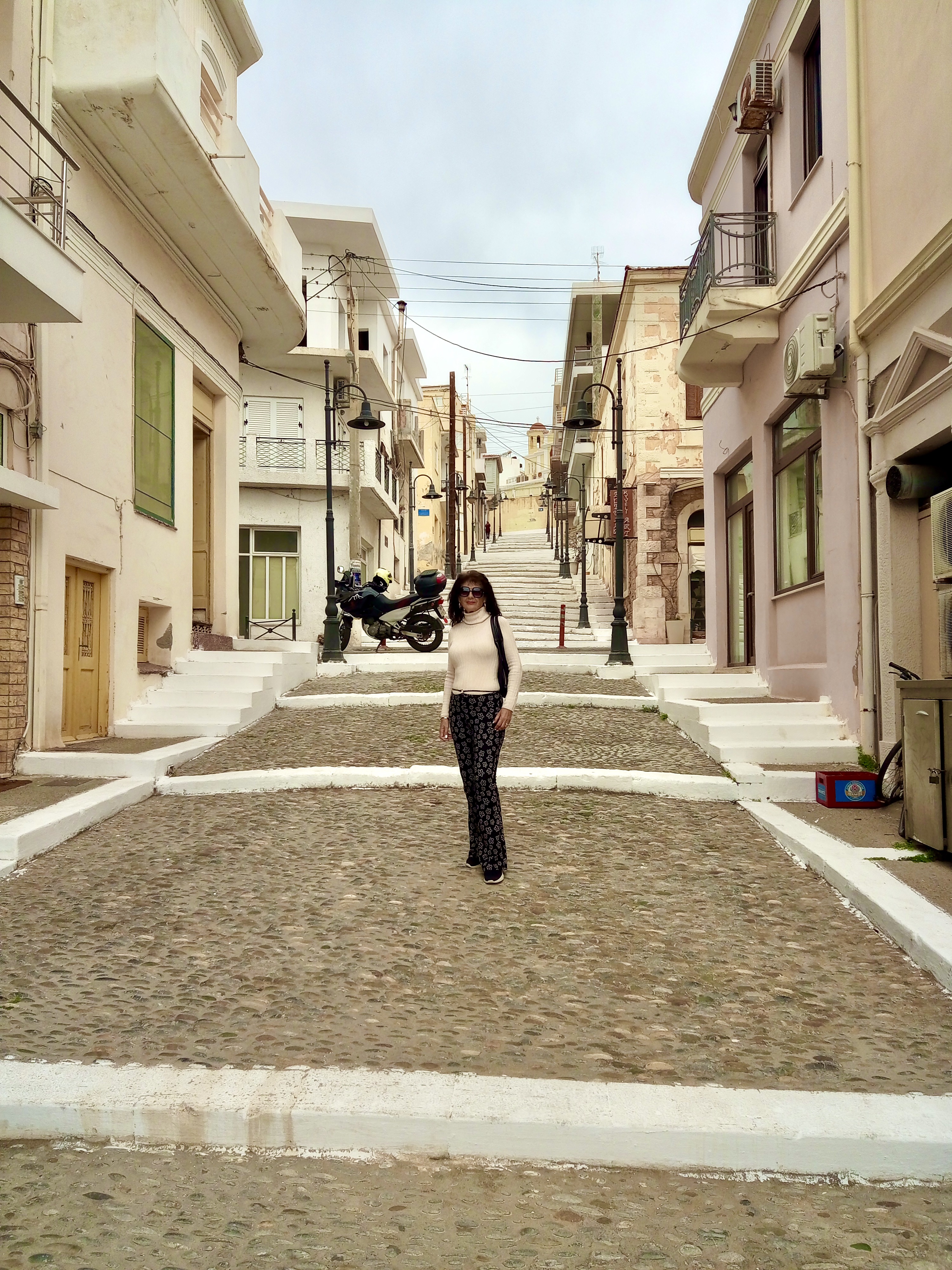
Below are three more taken in the Old Town a few days ago…

Finally, this first one (below) is the view from our ‘Xenonas” [guest room] door looking toward the lower garden. I just like it, that’s all! The other one’s the view from the picture window in our bedroom. It’s the view we wake up to every morning. Sorry about that (showing off again)…

Click HERE to go to my Amazon Author Page. There you can browse all of my written works.

A Postscript

It’s already a fortnight since we got back from our two-week stay in Sitia. The summer’s slipping irrevocably over us here, and we’ve now taken the duvet out of the cover on the bed at home, as it’s just too warm. I wanted just to add one final word about our stay in Sitia, and it has to do with the accommodation that we stayed in.

The studios, one block back from the yellow sandy beach to the south end of the town, are called Emmanouela. I’ve been reading reviews about them, which I also did before we booked to stay there, and I feel that some are rather unfair. I don’t know why I should worry, because the place still ranks quite nicely in the plus/minus columns, but some criticisms are unjustified. Our own impressions? We loved it. OK, so the location isn’t as attractive as some places, as the building sits in an area where the ‘tourist’ part of town merges into the functional, retail and trade area, but it is only fifty metres from that beach…

Emmanouela Studios are run by an elderly ya-ya called Maria, who’s five foot nothing, has a face that betrays years of being outside under a Greek sun and short, frizzy hair dyed a peculiar shade of ginger. She spends most days pottering around in the garden, which consists of a large area of gravel which surrounds the building, and a raised bed that runs the length of the perimeter wall, where basil grows in abundance, along with assorted other herbs and flowering plants. Maria often wears one of those huge peaks to shade her face from the sun, but which isn’t part of a hat, it’s merely attached to an elasticated band that fits around the head. She has a granddaughter, and it’s she who bears the name Emmanouela. She it is who sits behind the desk in the small Reception office and taps away at the keyboard, confirming bookings and generally running the admin side of the business. Emmanouela is a lovely, personable young woman of around 25-30 years of age, maybe younger.

The studio that we stayed in was ridiculously cheap by today’s standards, and so one must always bear that in mind when rating a place. You can’t expect five star luxury when you’re paying what we paid, but for all that, we had precious little to gripe about. OK, so they could have changed the bins a little more often, but we’re well able to take our rubbish to the nearest street dumpster and re-line the bathroom and kitchen bins with new bags. Maybe the floor could have been mopped a tad more often, but we’ve stayed in places over the years where you were lucky to find one toilet roll in the bathroom when you arrived, and from then on you had to buy your own. There were five in the bathroom of our studio apartment when we arrived and another was added during our stay. We had a small kitchen area, a good quality kettle, hot water on demand and reliable wi-fi. The sheets on the beds were spotless and changed once a week, which as far as were concerned was easily often enough.

I’d telephoned a few days before we were due to arrive to ask if there was hair dryer in the room, and was assured that there was. When we got there to find that there wasn’t one, I popped down to Reception, where Maria and Emmanouela were at pains to get one out of the cupboard, again a decent quality product still in its original box, which they gave to us for the duration of our stay. It didn’t take us long to get used to greeting the two women most days as we were either leaving or returning to the room. There was also a cute and fairly timid tiny little dog that would follow Maria around while she pottered and sleep on a chair on the terrace outside the front door of Reception during the nights. He was a sweetie who at first wouldn’t let us near him, but soon got used to us and became accustomed to having his head ruffled when we came by.

The windows and doors were of good quality white-finish aluminium (uPVC is rare here, as it can’t take the high temperatures of a Greek summer) and when they were closed they were very effective in blocking out any noises from outside. While we were in residence there were still fairly extensive works going on to improve the drainage in the downtown and beach front areas, and there were diggers and piles of gravel just across the road from our veranda. It was in October 2022 when a devastating storm wrought havoc in Sitia, filling the town knee-deep in brown mud, much of which flowed over into the fishing harbour too. We had a break there back in May ’23, and were astounded at how they’d cleaned the place up. So much so that if you hadn’t seen the newsreel footage of what happened only months earlier, you wouldn’t have believed it.

Works being carried out now include fitting lots of storm drains to the streets to hopefully allow water to drain away faster if such a storm should ever come again. It seemed to us that they still had a couple of months work to do before the project was completed.

I often harp on about the beauties of ‘staying small,’ and it’s primarily because it’s by far the best way to really experience a country. OK, so we live here anyway, but going to somewhere else for a break still makes us temporary tourists, and we don’t get excited by the idea of being surrounded by either our own compatriots, or a selection of French, Germans or Scandinavians over our breakfast, around a pool, or during the evening meal. No insult is intended to those people, but when we want to experience Finland we’ll book a holiday in Helsinki, not a pretty little seaside town in Greece. Once again I can illustrate the little moments that make staying small special. One day, as we returned from our morning stroll along the waterfront and had spent a pleasant interlude people-watching over our Freddos, as we began to climb the stairs to the door of our apartment, Maria emerged from the rear door of Reception and called to us.

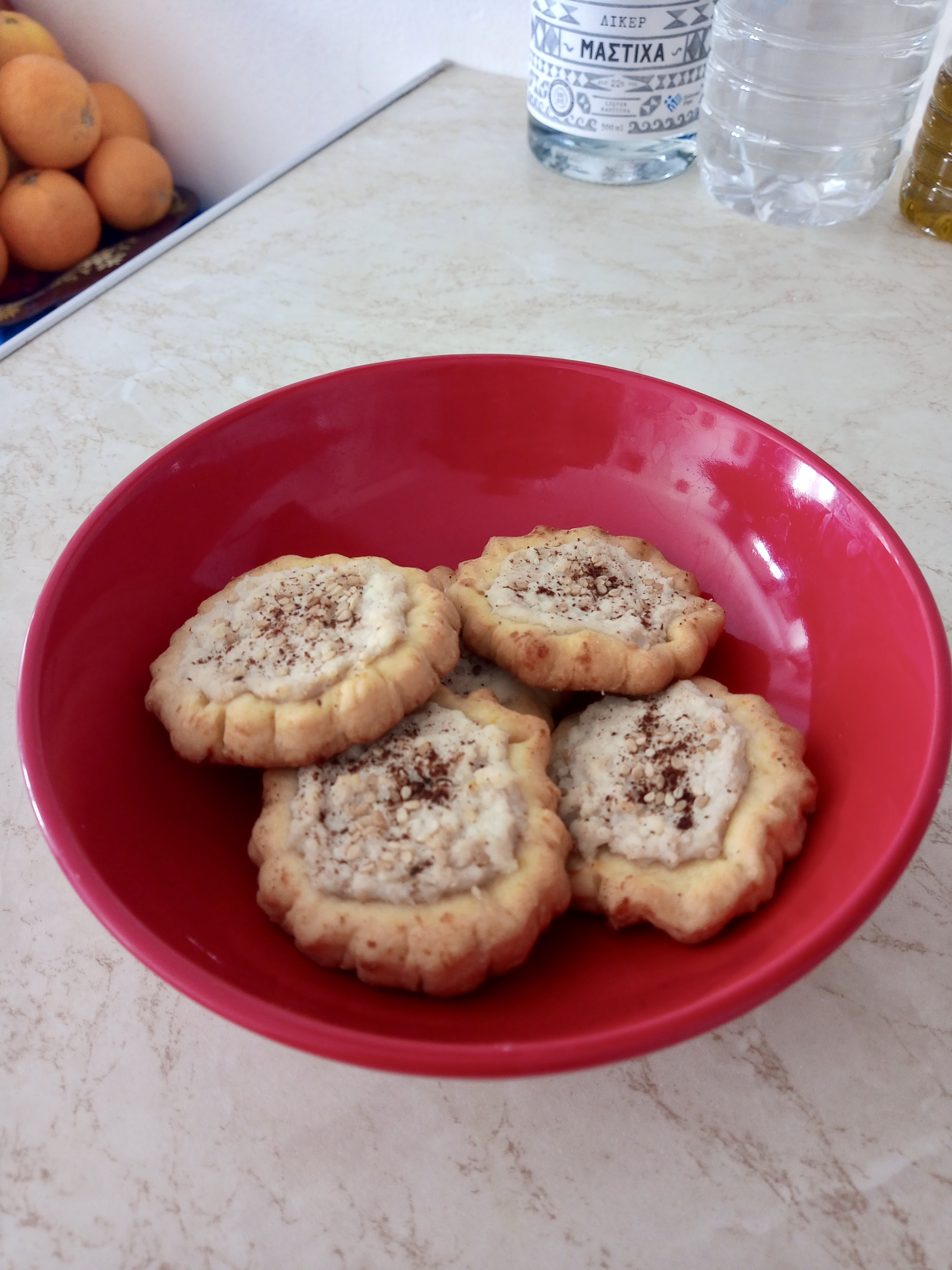
She was excited to give us a small gift of something that she’d made…

Those little beauties aren’t jam tarts or scones, they’re Kalitsounia, and if you want the lowdown on them then click that link for all the gen. It’s very rare that we’ve ever stayed anywhere and not been given something like this. We’ve taken ‘small’ accommodation holidays in Kefallonia, Paxos, Corfu, Poros, Skiathos, Thassos, Samos, Symi, Halki, Leros, Naxos, Patmos and a few others too, and always had the same experience. The landlords want to give you things. It may be something that they’ve cooked or baked, it may be something to drink, but their hospitality traditions demand that they make you feel welcome, and it usually works. If you’ve never taken the plunge and always searched for the luxury of a hotel, take my tip and take the plunge. Try staying ‘small,’ and then compare the experience. At the very least you’ll go home actually knowing what country you’d been staying in.

Here’s one final batch of photos from Sitia…

When we got back home on the weekend of May 4/5, we were soon tasked with rescuing the garden from drought. Everything needed watering. While we were pottering about – me with a hosepipe and Yvonne with some secateurs – in the lower garden, just across the lane from Evangelia’s house, she came out to the end of her lane and caught sight of us.

“Aax, paidia!!” She called out, “Where have you been? We’ve missed you? We wondered why we haven’t seen you. Is everything all right?”

We, of course explained where we’d been. Tell you what though, as Frank Sinatra once sang, “It’s oh so nice to go travelling, but it’s so much nicer, yes it’s so much nicer to come home.”

Click HERE to go to my Amazon Author Page. There you can browse all of my written works.

Busy doing nothing

There are small things that happen, apparently insignificant things, that often reveal a lot about how much tourism has affected the place you happen to be at any one time. I’ll try to illustrate what I mean. Traditionally, if you’re a Greek and you go to a café or kafeneio for a coffee, it goes without saying that you’ll always also receive a glass of water to go with it. Sometimes you’ll get a bottle of water, so that you can replenish your glass as you like. The bottle may be a plastic one, sealed from the factory, or a refillable one, and you can rest assured that in such cases the water’s usually either from a source that’s perfectly safe and probably less chemically treated than it is in the UK, other European countries or maybe the USA, or the bar has installed a filtration system, removing some of the ‘harder’ salts and minerals before it reaches the bottle.

On the subject of drinking water, if I may digress just a tad here (I never do that, do I? 😛), it’s really not correct to believe the old saying ‘don’t drink the water‘ when you’re here in Greece. OK, there may be some exceptions in urban areas on the mainland or larger islands, but in the less inhabited areas much of the drinking water is right out of the nearest mountain, and filtered by the rocks, making it as fresh as a mountain stream in many cases.

When we lived in the UK we were always conscious of the fact that the drinking water’s treated. It contains fluoride and chlorine, for example. I well remember when I was much younger hearing that they put fluoride in the water to help improve dental health. Yet if you do your research you’ll find that the negative effects of fluoride to the human body far outweigh the positives. The human body accumulates fluoride, and, as it does so, the side effects may become more severe. Does the apparent benefit simply to dental health warrant mass-treating the general public, who have no choice in the matter, with a chemical that’s hotly debated in some circles? That’s for another day and another website to argue about.

Back to the water that comes with your coffee. We’ve noticed, and I’m sure other seasoned Grecophiles have too, that in the more touristy areas they’ve given up bringing water with your coffee. The reason for this is simple, and this is only my humble opinion of course (as is everything I write, after all), in the UK people in general don’t drink water. Oh they’ll drink fruit juice, squash (if you’re not from the UK you’ll get very confused by that word!), beer, wine, fizzy drinks until the cows come home. But water? Nah, too boring. It’s a sad fact that drinking simply water has become unpopular, and those who don’t drink neat water pay the price healthwise with the passing of the years. Again, that subject’s for another time and place, but suffice it to say, where most of the clientele are foreigners, Greek cafés have given up bringing water because no one wants it. Greeks, however, in general, still take a little water with their coffee, and so if you are given water when you receive the coffees you ordered then it’s more likely you’re in an area where the clientele is still predominantly local and tourism hasn’t quite reached saturation point.

Now, all this rambling on about water is the preamble to another point that I wanted to talk about, and that’s the secret that Greeks are well aware of (and probably Italians, Spanish, French [well, those from the Mediterranean coastal areas anyway]) about how to enjoy taking your time. See, we’ve noticed since having lived here for pushing two decades now that when we’re with British people, relatives, friends included, most of them will sit down for a coffee of a morning, probably in a place that’s infinitely more picturesque (not to say warmer!) than where they come from, drink their coffee, then start on about what we’re doing next. They’ll fuss about paying the bill and start throwing their bags over their shoulders and leaning forward in their seats, sending a clear signal that they’re ready to get up and leave. It’s a symptom of the lifestyle I suppose, that people from the north of Europe are used to. They’re always ‘getting on,’ as in moving from one thing to another, and usually at breakneck speed.

Here in Greece, though, it’s all about enjoying the moment, savouring a leisurely conversation (even if it gets heated about politics or money) and not worrying about what time it is until it becomes desperate, which it seldom does anyway. When we were in Sitia (and this applies here in Ierapetra too, in fact all over this wonderful nation) we observed time and again, as we went out for coffee every single morning, that during the time that we were sitting at our table, all the time eavesdropping on Greeks conversing nearby (another bonus from having learnt the language, see previous post), or revelling in a spot of people-watching, we’d witness a familiar scene time and again. Tourists would happen by, choose a table to sit down, order their drinks (so often it would be beer too, which no self-respecting local drinks at that time of the day), drink them, and then get up to rush off to wherever else they thought they needed to be. Sometimes we’d see the same table occupied by two or three different couples, families or groups, while we sat there all the while savouring life, the beautiful surroundings, and a lack of stress. Makes you wonder what holidays are for, when people still feel the need to relentlessly move on, even during their week or two in the sun, doesn’t it.

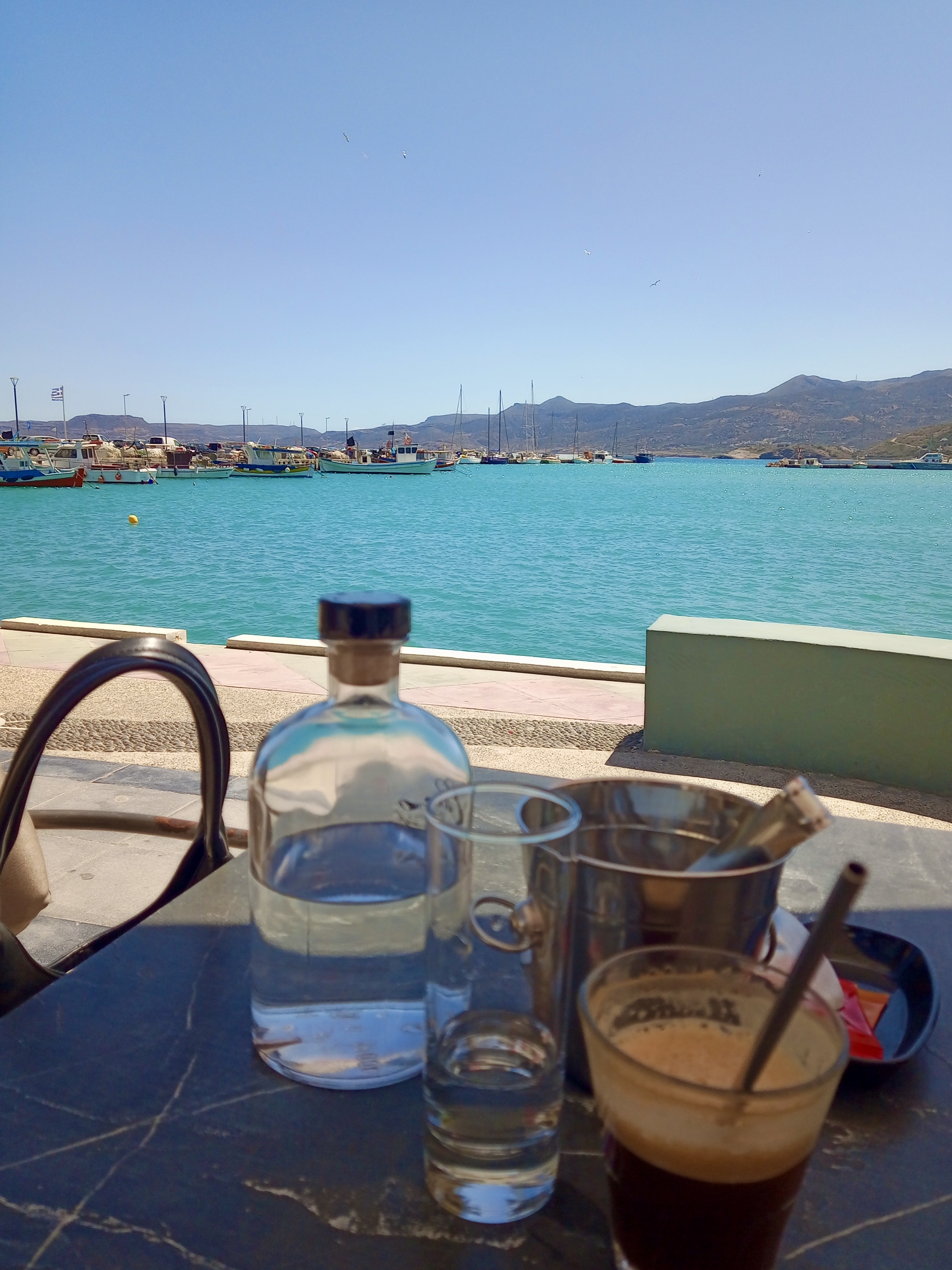
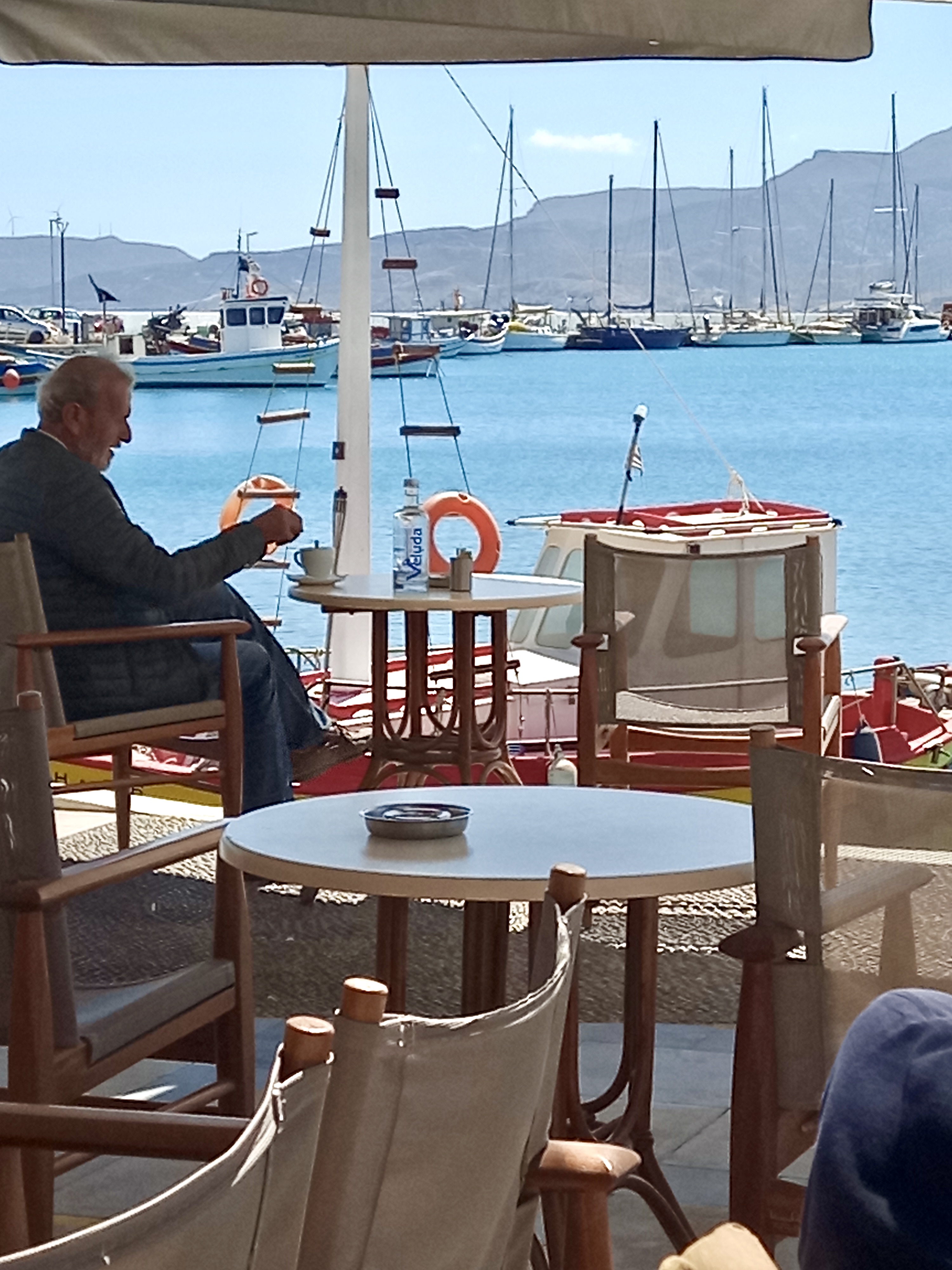
We’d often exhaust our bottle of water, while very slowly supping our freddos through our reusable metal straws (oh yes, we’re very environmentally aware these days!) and, without our asking, the waiter or waitress would float by, take the bottle away and return a few minutes later with a fresh one. Can you imagine that in the UK? When we first arrived on Rhodes we made the mistake of having our first meal out in Lindos. It was August. Me and the better half have always loved one thing about Greece (many, actually, but I’m going to mention just the one here), and that’s the fact that you can go out to eat, or simply drink, and no one rushes you. You can sit with your meal or drinks all gone and a table full of empties, but never are you given the impression that the owner of the business or his/her staff want you out so that they can get some more bums on the seats and get ‘the coin’ in. That first meal in a Lindos restaurant in 2005 really disappointed us because it was very soon evident that tourism was the be-all-and-end-all to the restaurants there. No sooner had we emptied a plate than it was whisked away from the table. You’d hardly put your empty bottle or glass down when a hand swept it away and, as soon as there was nothing left to eat or drink, the table was completely cleared while we still sat there digesting our meal and thinking about maybe enjoying the rooftop environment with a lovely view of the brightly lit acropolis above for a little longer yet.

The waiter returned in record time with the bill, before we’d asked for it, and then he hovered while we got our wallets out. Lindos in August was NOT in any way the Greece that we knew and loved, sadly. Four of us had sat down at around 8.30pm, and by 9.45pm we were getting up to leave, while the waiters were already re-setting the table for the next set of suckers – sorry – diners, to sit down, even as we were pushing our chairs back under the table. Lindos is truly beautiful to look at, but if you want my humble opinion, go there in winter, when it’s an entirely different place.

Now, I’m sure you know this by now anyway, but the Greeks will venture out, whether it be for a morning coffee or an evening meal, with the understanding that they’ll be able to stay in their seats until they’re good and ready to leave, and that’s usually hours later than when they arrived. When our waiter/waitress in any of the Sitia cafés where we enjoyed our morning Freddos courteously brought us a new bottle of water, even as we supped the dregs from our iced coffees, well that spoke volumes without a word being said. It told us that as long as we chose to sit there, we were welcome, and only when we chose to would we get up to leave.

Now, I know some will say that occupying a table for too long on one or two drinks is depriving the establishment of income, because maybe others could have sat there and spent their money too. But it’s the culture here, pure and simple. I love to see it when the locals sit and chat, oblivious to the passing of time, often too without ordering a second drink. Other relatives or neighbours will happen by and either simply exchange a few ‘Na eiste kalas‘ or whatever, or they’ll wreck the table layout by dragging chairs and tables this way and that in order to accommodate an ever-growing group of friends, and the conversation all the while flows effortlessly. It’s all about the climate I suppose. Because everyone spends most of their waking hours outdoors in this country, even in winter time, it stands to reason that they’ll enjoy hanging out while they’re out there. The ability to take the day as it comes, without constantly looking at one’s watch (or, I suppose nowadays, phone) to see what the time is while mentally running through the day’s itinerary is something that we British have to learn if we spend any time in Greece.

I suppose it’s the art (and it is an art) of knowing how to be busy doing nothing and feeling the benefits, especially in one’s stress levels. Time for some more Sitia snaps…

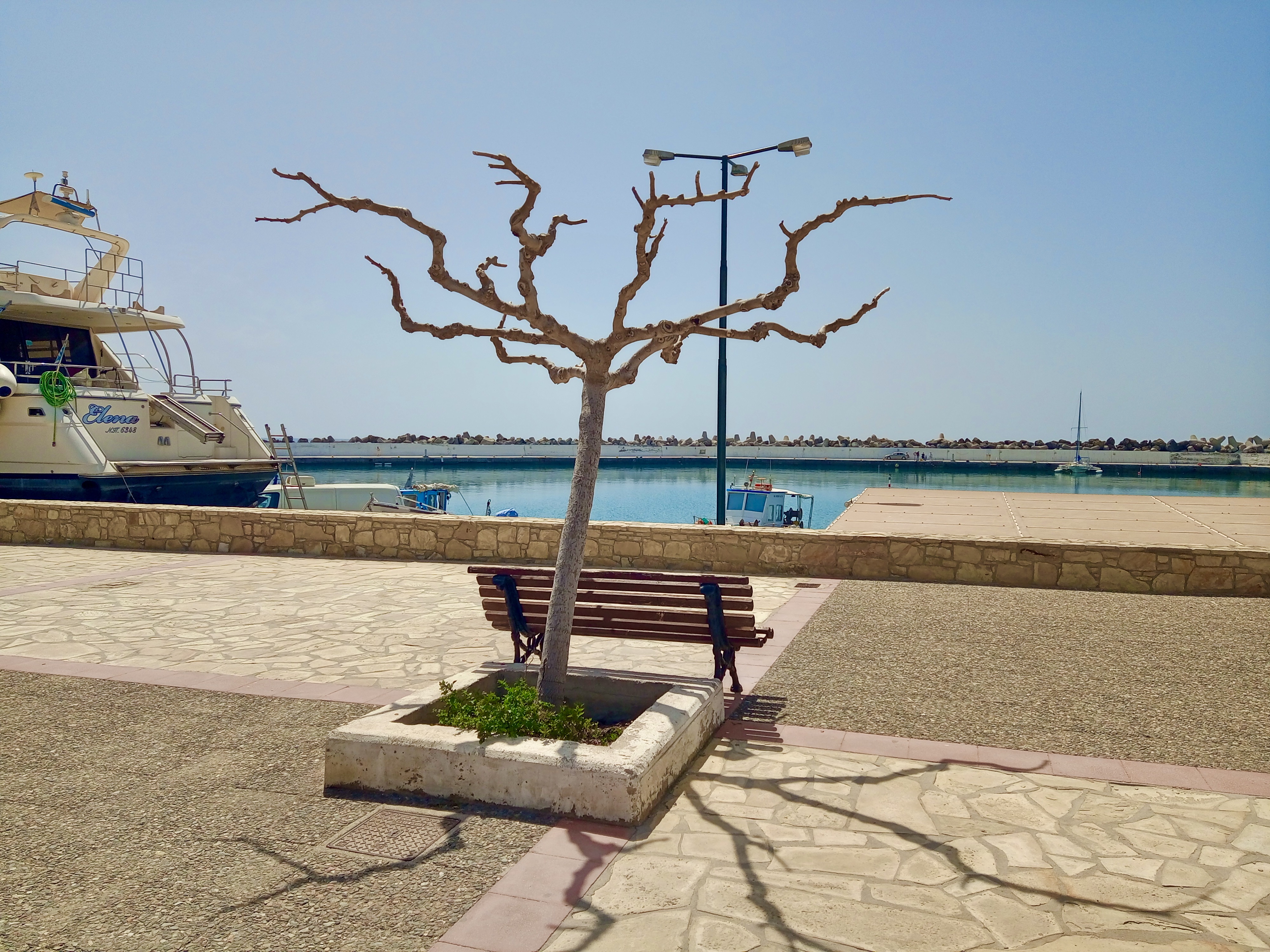
That shot of the tree and bench on the seafront was taken during the few days when we were stricken with the dreaded ‘Afrikaniki skoni’ or Saharan dust, that is a frequent phenomenon at this time of the year. Fortunately, it occurred during our first week and didn’t last too long.

Click HERE to go to my Amazon Author Page. There you can browse all of my written works.

Mind your language

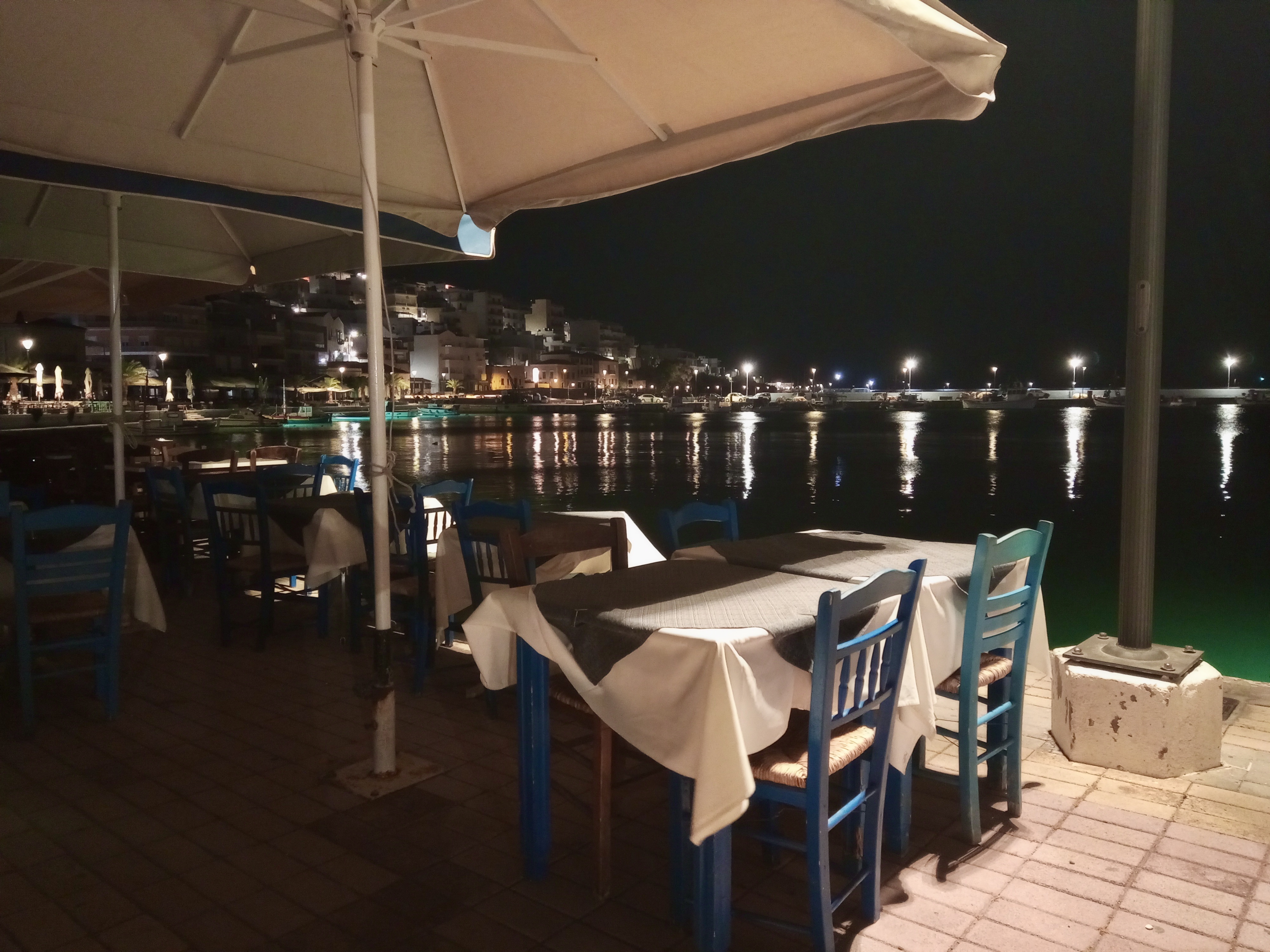
The shot above was taken during another one of my midnight strolls. Well, I say midnight, but this one was actually around 4.30am, but it’s just an expression of speech after all. I loved the way I managed (more by luck than judgment) to catch the moody moon behind the clouds, just above the boat’s mast. During our two week stay in Sitia I ended up doing a half a dozen or so nighttime rambles and I have to say that, even though I’d rather have been asleep, I really enjoyed them and got quite enthusiastic about taking photos when the whole town was sleeping.

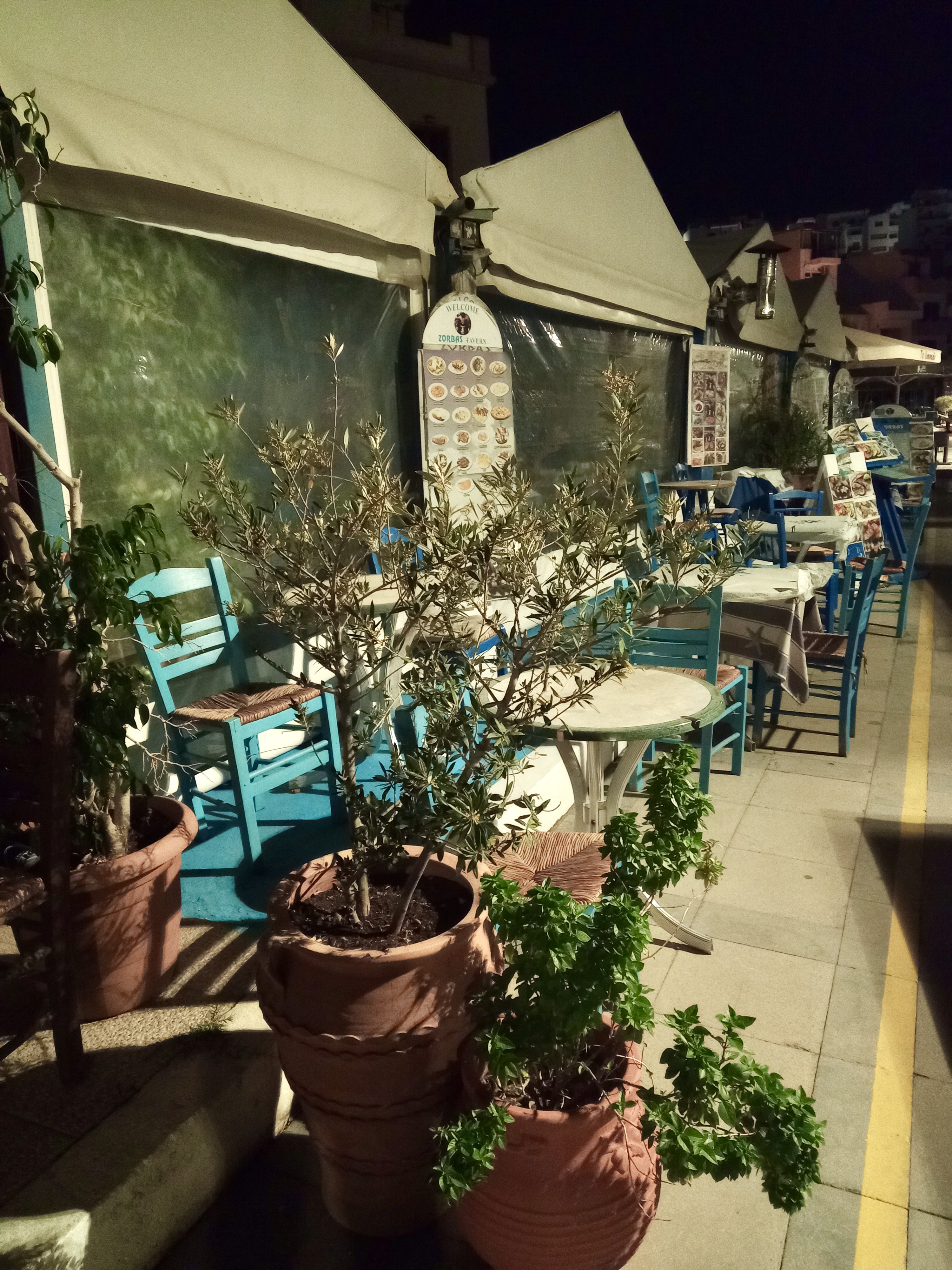
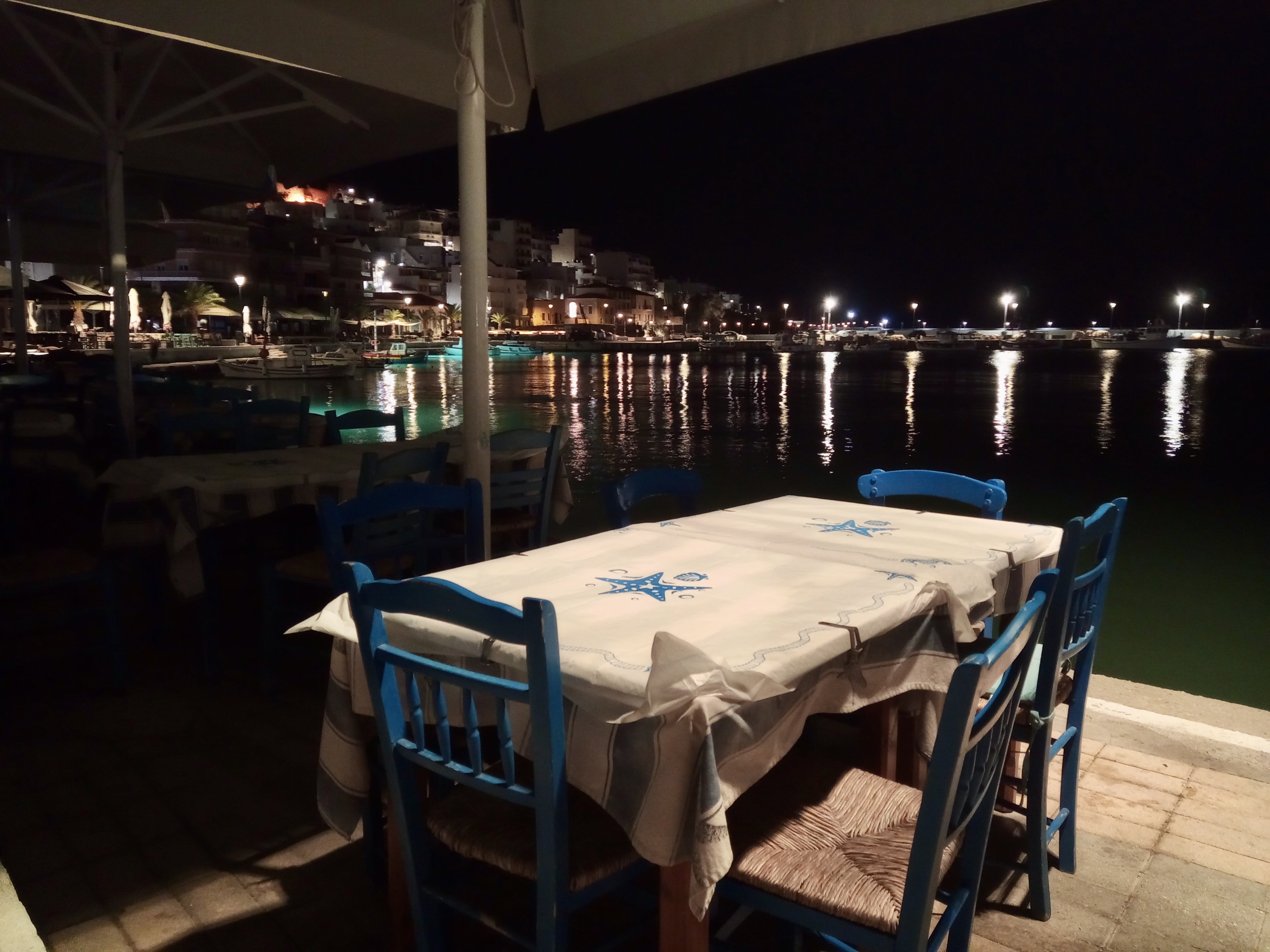
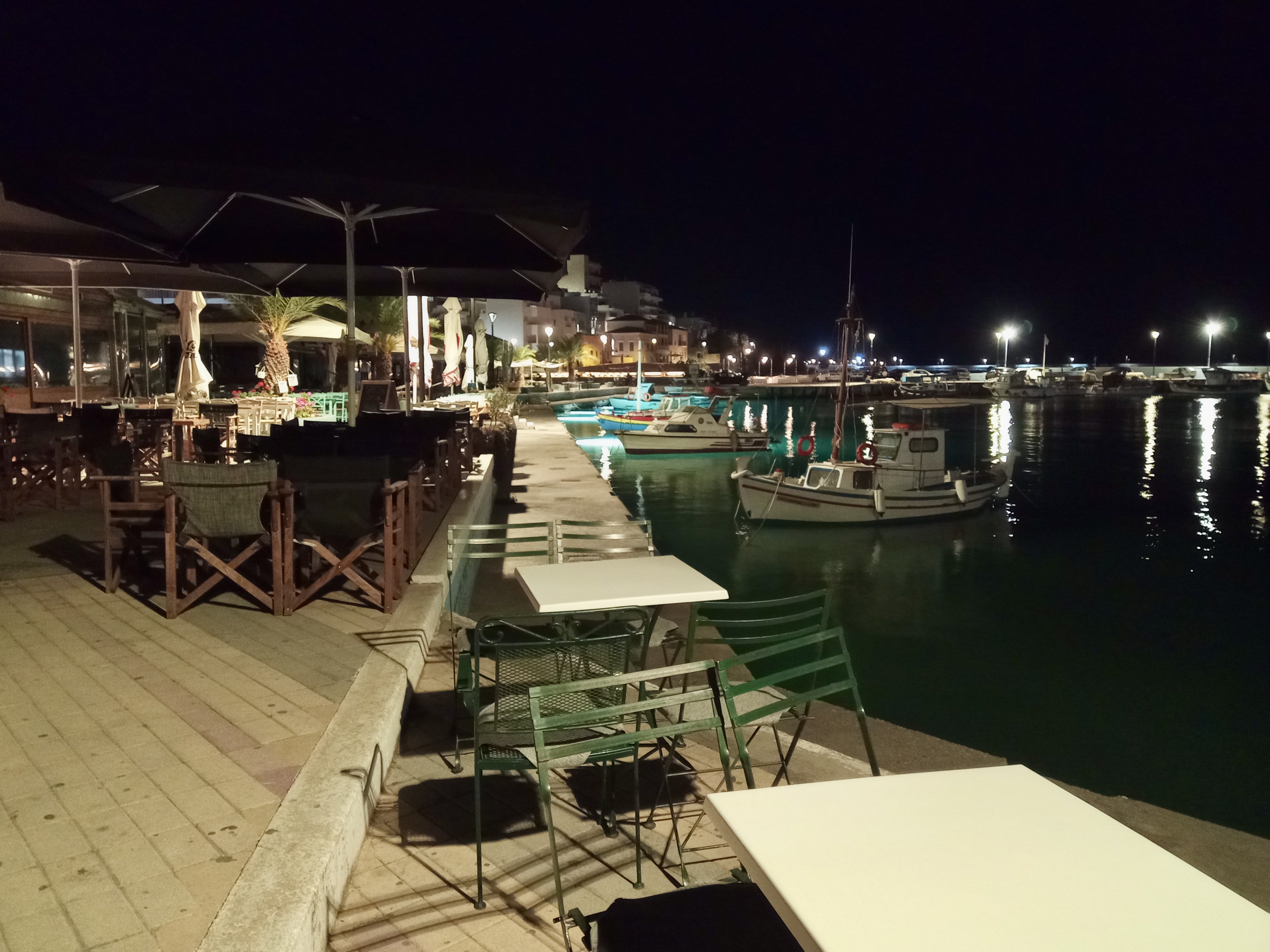
So, before I start on about why I called this post ‘Mind your language,’ here are some more night time photos that I selected to keep and post here (and don’t forget that you can click to see them in a larger view)…

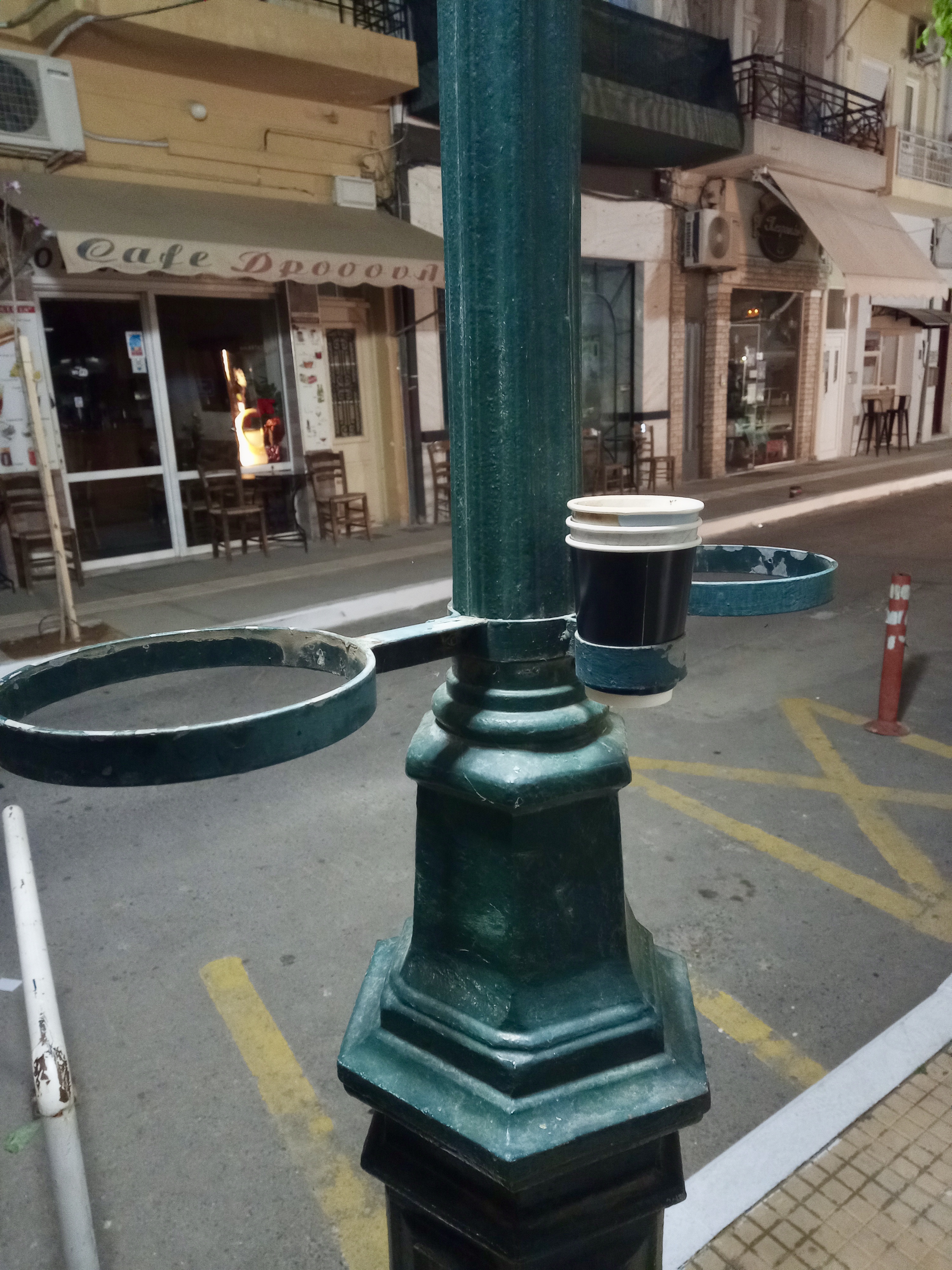
The first photo in that gallery above really amused me. Let’s admit it, the Greeks are eminently civilised when it comes to café culture, aren’t they? I mean, that street lamp post had two holders for plant pots, which in this instance (an exception, I have to say) weren’t in use, but the extra one? It just had to be made for people to place their coffee in right?

Something else which says a lot about life in this little corner of the world, and once again I know I’ve probably laboured this point before, is the fact that everywhere you go in the dead of night, all the cafés and restaurants have left their tables and chairs in situ outdoors. Come on, let’s be honest, can you imagine anywhere in the UK (and a few other European countries besides) where businesses could do that? Even wandering the narrow shopping streets of Sitia (and this also applies to Ierapetra) you pass stores with large areas of glass, both windows and doors, that are only secured by a small security bolt at the bottom of the door. The store may be an electrical store selling computer accessories, a clothes or shoe shop, or whatever, but in most UK cities there would have to be roller shutters drawn down and closed tight during the night hours, surely. I walked those streets alone and in a complete sense of security, a blessing indeed.

I know I’ve been talking a lot recently about how writing a blog can sometimes sit awkwardly with one if one wants to try and remain modest. It goes with the territory to talk about how great one’s life is, and I fight really hard sometimes to try and write in a manner that doesn’t blow my own trumpet, as it were. But something that I have to confess I do feel quite passionate about is the importance of learning the language if you go to live in another country. OK, so it may be hard, …so? Lots of worthwhile things are hard, but that doesn’t give one the excuse not to make the effort. Something that happened to us a couple of days before we came home well illustrates the value of being able to converse in the language of the country that one’s adopted as home. If I may relate the experience, I do so in the hope that it may give others the incentive to set to it and learn, because it’s a hard fact that speaking Greek here in Greece opens doors to experiences that one would simply never have if they didn’t make the effort. So here goes…

Sitting outside one of the many café/bars which we made use of on a daily basis to enjoy a spot of people-watching, we got into conversation with the bar’s owner and the young girl waiting at tables and exchanged a few comments about various things. Sitting almost alongside us was a young couple with a small child and it soon caught our attention that the wife was paying attention to our conversation. By this time we’d been seen around every day for a week and a half, and so many of the regulars at the waterfront cafés had seen us around. We too had already got to know the locals whom we’d see parading along the front each day before selecting a table at which to sit and enjoy some ‘parea‘ and a delicious iced coffee. The habit that lots of Greeks have of sitting almost daily at a café table with a few friends while enjoying their coffee without hurry is one that has appealed to us for years, and that we adopted long ago now.

Anyway, curiosity eventually got the better of the lovely lady sitting to the left of Yvonne and she couldn’t help it, she had to call to us and ask, “Excuse me, but may I ask where you’re from? I’m sorry but we’re intrigued by how well you speak Greek, and yet we don’t know you, although we’ve seen you every day for the past week and more.”

We assured her that it was no problem whatsoever and that we were only too happy to answer her question and satisfy her curiosity. We learned about her family and its roots, and she about my wife’s Greek heritage and our almost two decades of living in Greece. She and her husband were lovely people (most of them are, of course) and, once her curiosity was satisfied, we happily wished each other ‘kali synexeia‘ and returned to our own conversations.

Sadly, one of the reasons why we had intrigued her was the fact that the vast majority of ex-pat Brits who live in Greece, irrespective of how many years they’ve been here, still can’t converse beyond a basic ‘kalimera,’ ‘euharisto’, and ‘ti kaneis.’ A whole wealth of lovely experiences that come from being able to speak the language are closed off to such people. It’s a shame, but they only have themselves to blame I suppose.

The story doesn’t end there though. The following day we went back to the same café and saw that the same woman with whom we’d enjoyed a rewarding conversation was there, and this time without her hubby, but with about six other people, one of whom was her sister. I have to say that both women were very attractive too, something that Yvonne and I often remark upon. Maybe we’re biased, but Greek women and men always seem to have so much better taste in clothing than we do, but (and maybe the skin hue plays a rôle) they always look so much more beautiful too. Most young Greek women celebrate their beautiful dark hair and precious few chop it into all those weird lopsided and punk-type hairdos that seem to prevail in the UK these days. Most Greek girls and young women have long silky hair that looks marvellous. I know, I know, I’m probably too old fashioned these days, but there you are.

After we’d waved a hello and exchanged a greeting, Maria, the first young woman’s sister, came over to talk to me, as she and her sister had checked out my blog and website (I’d taken the opportunity, as one must, of handing her one of my calling cards) and liked what they saw. Now, when you read what ensued I know what you’re going to say, she was only interested in promoting her own business too, since she told me all about her rentable villa in Stavrochori, the village of their roots, but I don’t have a problem with that. When you run a small business, whether it’s writing books as an independent author, or renting out a house owned by your family in a remote Greek village, you need a spot of mutual back scratching in order to get the word out there. It’s how the world works after all, especially when you don’t have a publicity machine to make people aware of your ‘product’ as it were.

I’ll tell you what too, had I not liked what I saw when I examined her website and Facebook page for the villa, I wouldn’t be talking about it now. But I did, I really did. The villa is in a very quiet village, about half an hour’s drive up in the hills from Sitia, and a similar distance too from the South coast at Makry Gialos. Anyone who’s read my stuff for any length of time will know that I have a strong aversion to all-inclusive hotels, and in fact to any large, faceless hotel where you can spend a week or two without hardly knowing what country you’re in. I’ve been coming to Greece (before moving here in 2005) since the mid 1970’s and always stayed ‘small.‘ It’s by far the better way to truly experience the country and its culture, its people and its cuisine.

So, I take great pleasure and make no apology for giving you some links if you’re maybe thinking about a rewarding Cretan holiday where you’ll experience the ‘real Crete.’ I’ve also add a link on my ‘Small UK tour operators’ page, which I’ve now changed to ‘Stay Small, a more appropriate name for also encompassing other small accommodation for the more independent traveller, not just tour operators.

Villa Maria (Stavrochori) Google page

Villa Maria Facebook

Villa Maria Booking.com

Villa Maria Crete top hotels

Maria is going to place my calling card in the villa, so if you should happen to go there, you’ll hopefully find it. Also, if you do decide to contact Maria, please do tell her how you found out about her, won’t you.

To be honest, we have so many experiences on a continual basis these days that drive home just how rewarding it is to speak the language here. So, if you’re an expat living in Greece, I can only encourage you to have a go, take the bull by the horns and make the effort. You will never regret it.

Click HERE to go to my Amazon Author Page. There you can browse all of my written works.

Full of the joys of spring

This time of the year is special in so many ways, but way up near the top of the list is the arrival of the European Bee-Eaters back from their overwintering in Africa. They used to arrive in our part of Rhodes in the first week of May, and in summertime they’re distributed all across Southern Europe. As we’re further south from Rhodes here on Crete, they turn up a week or two earlier. I once read a piece about birds that migrate from Africa to Europe and it fascinated me how I learned that most migrating species follow the same basic route. Once they reach the northern shores of the African continent, they head either for Malta and Italy, or, if further East, they fly across to Crete, before then following the route from Kassos, over Karpathos and Rhodes, and then into Asia Minor in Western Turkey. From there they fly up the east coast of the Aegean and, once they reach the Bosphorus, they spread out in order to return to wherever is their ancestral summer hang-out. Some remain on the Greek islands, whereas others fuel up on insects, maybe rest a while in trees here, before carrying on northwards. Amazing isn’t an adequate enough word.

While we’ve been here in Sitia we’ve begun hearing the Bee-Eaters arriving as we sit on our balcony. Their particularly unique ‘whirring’ call is very distinctive, if you know what you’re listening for. Out for a walk the other day, I took the following photos, and unwittingly, while photographing a very lovely yellow-flowering plant that I haven’t as yet identified, I was amazed to see that I’d unwittingly captured a Bee-Eater in the background. See if you can spot it. I have to say, it is a bit far away, but they have a very distinctive silhouette too, and anyone who knows their shape will spot it instantly (I’m sure you’re aware that you can click on any individual photo to get a larger view. Once there you can even right-click to get it larger still, I think!) …

In the third shot above, which looks fairly uninteresting I’ll admit, there’s a turtle in the rushes, just a few inches out of the water. Sorry it’s a bit vague, but it’s the limitations of the digital zoom on my phone I’m afraid. We spotted loads of young turtles in this little backwater just a few meters over a sandbar from the beach. Did you see the Bee-Eater, silhouetted against the sea in that last shot? Doesn’t take much to make me happy, does it?

Finally, here are a few photos taken at around 3.30am, while I pounded the streets because I was (as per usual) not sleeping the other night. I know they don’t all look like it, but rest assured that they were all taken between 3.25 and 3.33 am. I rather liked theses scenes…

That’ll do for now. Lots more to come in the next post. The top photo in this post reminds me of what I’m going to talk about then. See, that ought to keep you on tenterhooks, eh? Talk about building suspense…

Click HERE to go to my Amazon Author Page. There you can browse all of my written works.

Home from Home?

When I was a lad growing up, even before I reached the ripe old age of ten, my dad, bless him, always tried to give the family a bit of a summer break, even though back then we didn’t have a great deal of disposable income. Times were ‘ard. The lack of riches was never really noticed in our family, because we were extremely rich in the most important way, the way of family love and security. Both of our parents made it their business to provide my sister Jane and I with a secure, loving family environment, and that included – I’m proud to say – a little ‘correction’ now and then. Why am I rambling on about this? I’ll tell you, because some of the best summer holidays we ever had were either spent on daytrips from home, or staying only thirty miles away, on Brean Sands in Somerset, for example. You’ll see where I’m coming from soon, promise.

Just before I get to the point, though, I should point out that back in the late fifties and early sixties, when we used to go to Brean, it was possibly a lot different place than it is today. I would imagine that it’s still a lot less commercialised than places like Weston Super Mare, but my abiding memory of the place is miles of stunningly beautiful sandy beach, backed by miles of wild sand dunes and bookended to the North by the wonderfully moor-like Brean Down which juts out into the Bristol Channel, and to the South by the rather elegant and low-key seaside town that is Burnham-On-Sea. I make no apologies for plugging this little corner of my home county of Somerset because, if it’s a part of the UK that you’ve never visited, you’d be well-advised to put it on your bucket list. Even today, after all these decades since my parents used to make a beeline for the area from our home village of Tunley, about six miles South West of Bath, it’s a part of the UK that is still stunningly beautiful and devoid of mass-tourism.

What I wanted to stress was the fact that the best holidays don’t have to be the most expensive, or involve huge mammoth journeys. Having done a fair bit of globetrotting in our time, I can well speak from experience when I say that we’ve been to places that involved epic journeys, changes of flight en-route, in fact all the usual things that travelling vast distances involves, and yet had breaks no better, no more restful or invigorating than those my Dad took us on back then, which involved a car journey (Dad strove very hard to run a car, even if his were often decades old) of no more than thirty miles each way.

So, and may I thank you for your patience at this juncture, I reach the point where I explain why we’re spending a fortnight in a modest apartment in Sitia (again!), not an hour’s drive from our own front door, rather than some other island that may have involved sea journeys, flights, lots of waiting around and carrying/dragging luggage this way and that. When you go away in the car, it’s simply brilliant how easy it is. You can just throw anything that you think you might need into the boot (trunk, guys) or onto the back seat, and leave most of it there when you get to your destination, only returning to the vehicle to retrieve it if you decide that you can use it. Because this year it’s a huge milestone for our marriage, and our anniversary was April 20th by the way, we sat down ages ago and thought about what we might like to do to mark the occasion, where we might like to go. The Seychelles, the Caribbean maybe, what about Rome? Perhaps any one of all the Greek islands that we still haven’t been to (and we’ve done a lot, I can tell you!)? We eventually pared it all down to an island that we’ve been to twice in the past, and on both occasions spent three weeks there, and that was Naxos. See, it’s all very well going half-way around the world, but when it comes down to what we really want out of a short break, it’s all right here on our doorstep, in our adopted home, Greece. Plus, speaking the lingo is a huge plus point.

We have very fond memories of Naxos, and thought that, OK, maybe it was the place to go back to for our fiftieth. In fact, had we carried on with our plans to go back, I’m sure we’d have had a lovely time. The other destination that vied very closely with Naxos was Patmos (an island that we’ve also spent around six weeks on), but since moving from Rhodes to Crete nearly five years ago, that’s now become a lot more difficult place to reach. The journey would have been fraught, to be honest. To get to Naxos from our home in Makrylia would have been fairly straightforward, although it would have meant our leaving the car on the quayside at Heraklion and taking the SeaJet as foot passengers but, after quite a lot of deliberating, we found ourselves staring at each other a couple of months ago and both thinking the same thing, and that was, “What we like to do when we’re away we can do in Sitia for a lot less travelling, not to mention a major difference in expenditure to get there, and indeed, stay there too.”

Over coffee on the terrace back in March, it was funny how the both of us stared at each other across the rims of our coffee cups and began at the same time to suggest that maybe we ought simply to go back to Sitia, where we’ve been for short breaks twice in the past two years, during May 2022 and May 2023. Yes, OK, the whitewashed Cycladian streets are pretty, and the buildings very photogenic, but it seems we have very basic requirements when it comes to what makes us happy these days. We no longer feel the necessity for photogenic places (usually well stocked with tourists as a result). We like to get up at leisure, prepare our own breakfast of muesli, yogurt and chopped fruit, thus ensuring that we get the nutrition that we need (I know, let’s not go there this time, I do go on a bit about how healthy we are), then venture out for a long walk that will inevitably involve stopping at a waterfront coffee bar for a spot of people-watching, before ambling around a little more and getting back to the room for a simple lunch on the veranda. Then it’s a sleep for the afternoon, before taking a few hours to get ourselves ready to step out at around 9.00pm for an evening meal at a taverna or restaurant, also beside the sea.

To be honest, we could do all that from home too, in Ierapetra, but it’s six kilometres from the house to the town, and so it would have involved taking the car every night. What’s better than parking up and forgetting the wheels for the duration? It’s amazing how relaxing it is to simply walk everywhere for a fortnight, not to say more healthy, and it doesn’t matter if one sips a glass of wine or three while out either. So, Sitia (I know, I know, in previous posts I’ve spelt it Siteia, you pays your money…) ticks every one of the boxes that we have on our ‘ideal holiday’ list. We’d be hard-put to think of anywhere that we’ve so far been in Greece that has as good a choice of waterfront eateries and bars as the harbour area in Sitia. OK, so it’s not as pretty as Paros or Mykonos, but at least here you are mainly amongst locals, the overseas visitors being very much in the minority. It’s not always what takes a good photograph when you come right down to it.

So, here we are, and here we’ll be for another week and a half yet. Since I’m a terrible sleeper, some of the photos I’ll be posting will be taken during the wee small hours too, when I have the whole place very much to myself, apart from the local cat population, of course. Here’s the first batch, taken between Saturday 20th and Tuesday 23rd…

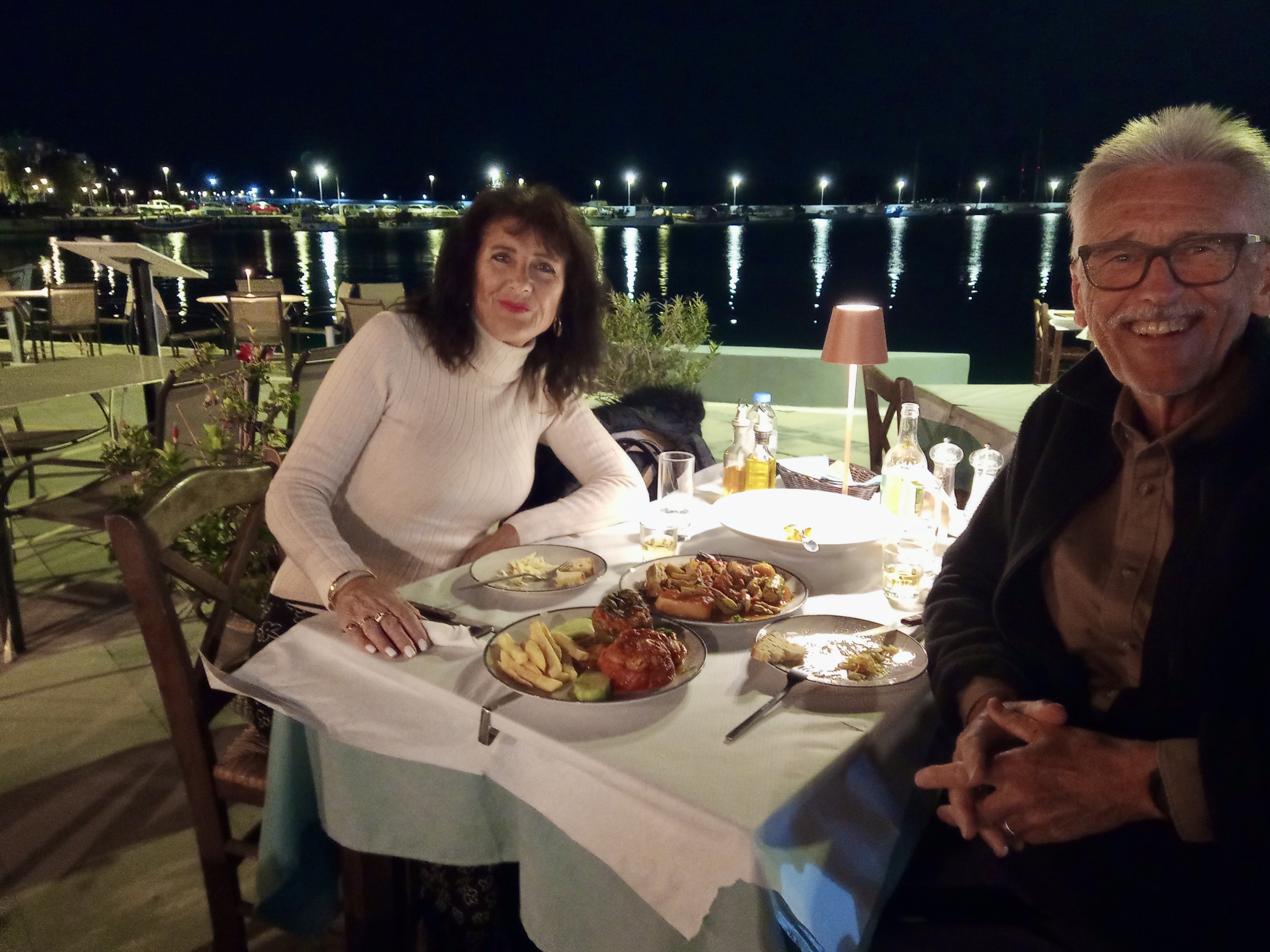
Above: For the first night (our actual anniversary meal), we decided it had to be our favourite restaurant on the front at Sitia, and that’s the Limani. Not only is it ideally situated, it also has a an excellent menu for vegetarians, including a lot of ‘home cooking’ dishes that many restaurants don’t do. In the photo above we’ve put the kolokithokeftedes on to the plate with the grilled mushrooms in order to make room for all the dishes. There are gigantes too and a lovely green salad with fresh spring onions in the mix. They charge a very acceptable €5 for a bottle of Malamatina Retsina too, which is one of the best brands in Greece.

In fact, we’ve made the executive decision that we’re going to the Limani every second evening, and we’ll go elsewhere on the other nights to see what else takes our fancy. Thus, we were there again on Monday, when we ate courtesy of my lovely sister Jane, who gave us a nice anniversary gift of a wad of cash, much of which went on Monday’s meal, when we ordered gemista and fasolakia (arguably the best fasolakia we’ve ever eaten anywhere. The only place that rivals the Limani for fasolakia in my mind is the Odyssey in the Old Town of Rhodes). Here’s Monday’s meal…

That choccy dessert, by the way, was on the house!!! Very naughty, but boy did it go down well. We’re here a full three weeks earlier than we were in ’22 and ’23, so it’s really great to still be able to sit outside to eat after dark.

Lots more photos to come in the next post, but first, I wanted to just tell you something, if you’ll indulge me. Blogging is an odd kind of pastime when you analyse it. I mean, when one writes a blog, one is essentially spouting on about one’s own life and, frankly, when I see people doing that on Facebook (for example) I don’t much like it. Yet here I am, having kept a blog both on Rhodes and now here in Crete for a decade and more. I am very conscious of the fact that people out there in ‘internet-land’ have to give up a few minutes of their lives in order to read one of my posts, and for that I can’t find enough words to express my gratitude to one and all, believe me. I do hold out the hope that what I write entertains, informs and interests people who love Greece, and that’s my main motivation when I prepare a post. Please believe me when I say that I’m truly humbled when people give me feedback and I learn that they’ve enjoyed something that I’ve written, maybe learned something that they didn’t know before, or perhaps have been motivated to go somewhere I’ve written about. That’s what gives me the most joy.

I don’t think that any blogger should ever take his or her reading public for granted. We are in a very privileged position if we have followers, and I feel a deep responsibility to write what they’ll enjoy, and in a way that they find pleasurable to read. So, once again, if you read my ‘stuff’ and find it in any way worthwhile, I’m happy, not to say eternally grateful to you.

Oh, alright then, a couple more photos in this post…

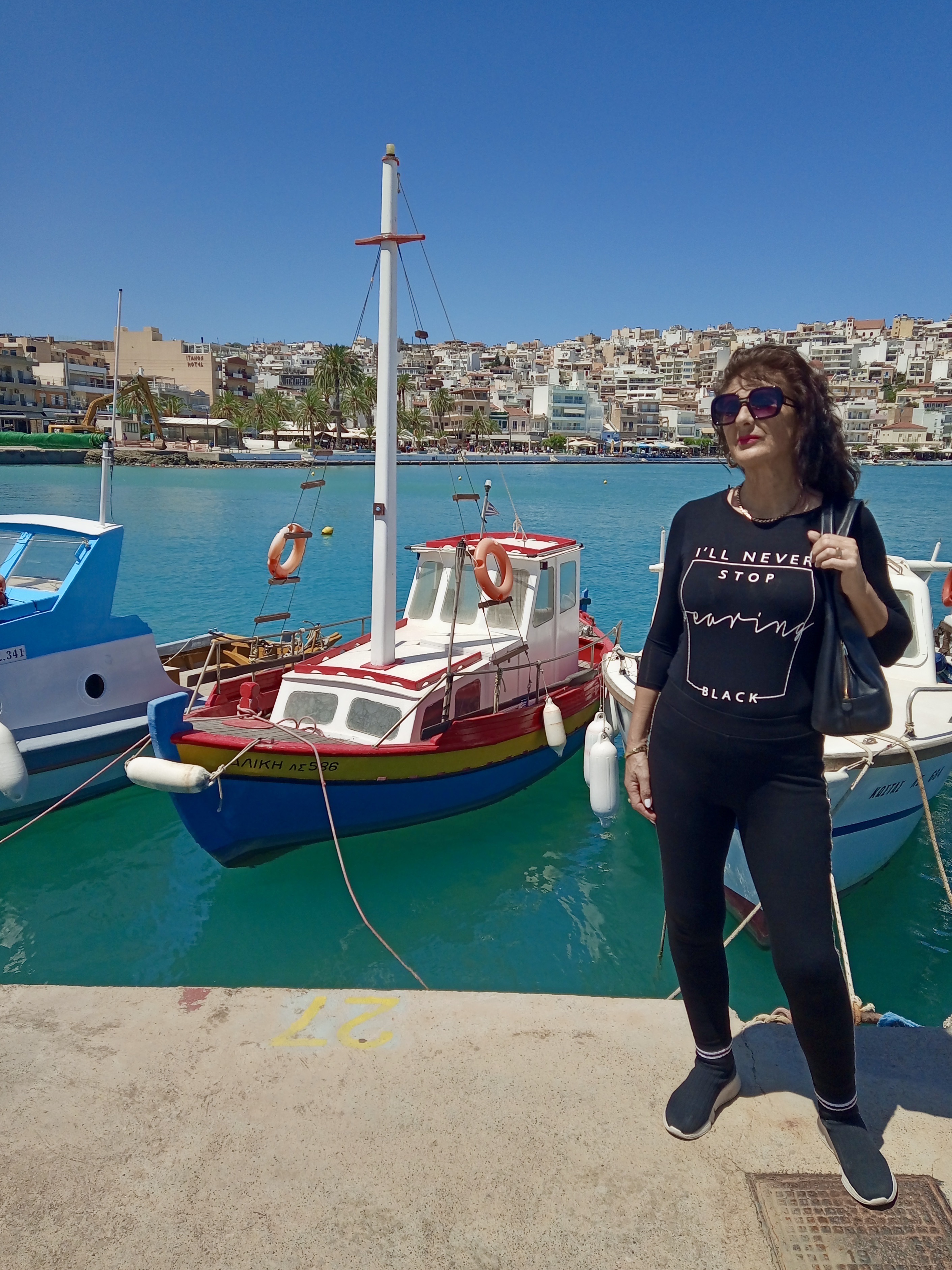
That extremely attractive woman who looks like she’s just stepped off of a luxury yacht, I’m sure she’s following me…

Click HERE to go to my Amazon Author Page. There you can browse all of my written works.

The cat that crept away

Mavkos has done a runner, the little blighter. The above photo shows just how comfy he was with us as part of the family, and that lasted for over two years. He was not much more than a kitten when he adopted us (and it was his initiative, not ours, to begin with) and he eventually became like a shadow following us around, and we loved him.

For reasons known only to himself, though, about six months ago he began staying away, often for up to a week at a time. But then he’d come back and start hanging around the house like he’d never been away. Every morning he waited to be picked up for a cuddle before he’d eat his breakfast, and would always end up on one of our laps, like the photo above, as we drank our morning coffee together on the terrace. Of course, he also used to get a little puddy-tat treat when we had our coffee too, the crafty little devil.

His absences, though, gradually became longer and, this past few weeks, we haven’t seen hide nor hair of him, heartless fiend that he is. The last time he came by to see us he ate a good meal, then sauntered off again, and that was that. We’re convinced that there’s another family in the village that maybe gives him food to eat that’s not altogether good for him, but cats are like children, they’ll always eat junk food over healthy stuff all day long, won’t they. The annoying thing is, we really miss him. Mind you, at least we don’t have the headache that we’ve had in the past of finding someone to feed him while we’re away, and as it happens we’re going away on Saturday as it’s a mega-big anniversary for us on that day, April 20th. When he first began his absences, we’d worry sick that he’d been poisoned or something, but he’d always turn up again, looking fit and well. Oddly enough, though, Maria and Dimitri just below us have a ginger tom that adopted them when he was a kitten too, and he’s just as happy around humans as Mavkos is. ‘Ginge,’ as we call him, comes by most days and talks to us incessantly. I’ve never known a cat to talk as much as Ginge does. He also wants to be petted, he especially likes the back of his head smoothed, and only after he’s satisfied with that will he wander on through the garden and go somewhere else. So, at least we do get to fuss over a pussycat, even if it isn’t Mavkos. Ginge, too, will accept a little dried food with relish, whilst not being dependent on us, so we shouldn’t complain really.

Here are some recent photos…

Above: The upper garden’s looking lush these days, and we’re really happy with how it’s turned out.

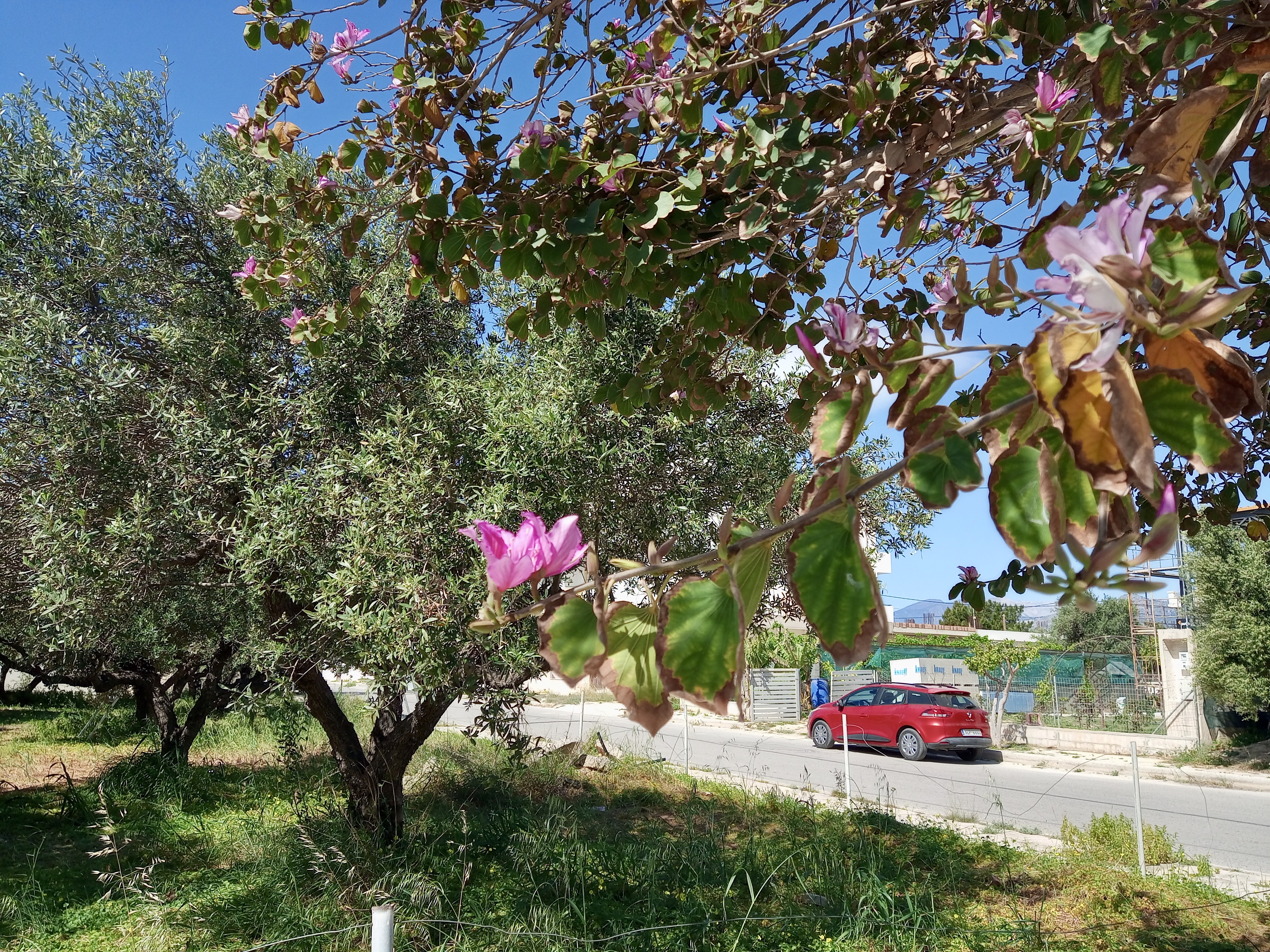
Above: Saw this tree on the edge of town on April 7th, I think it’s a kind of magnolia, but I don’t really know. Nice blooms though, don’t you think?

Above: Couple of shots in the village. I just liked the aspects.

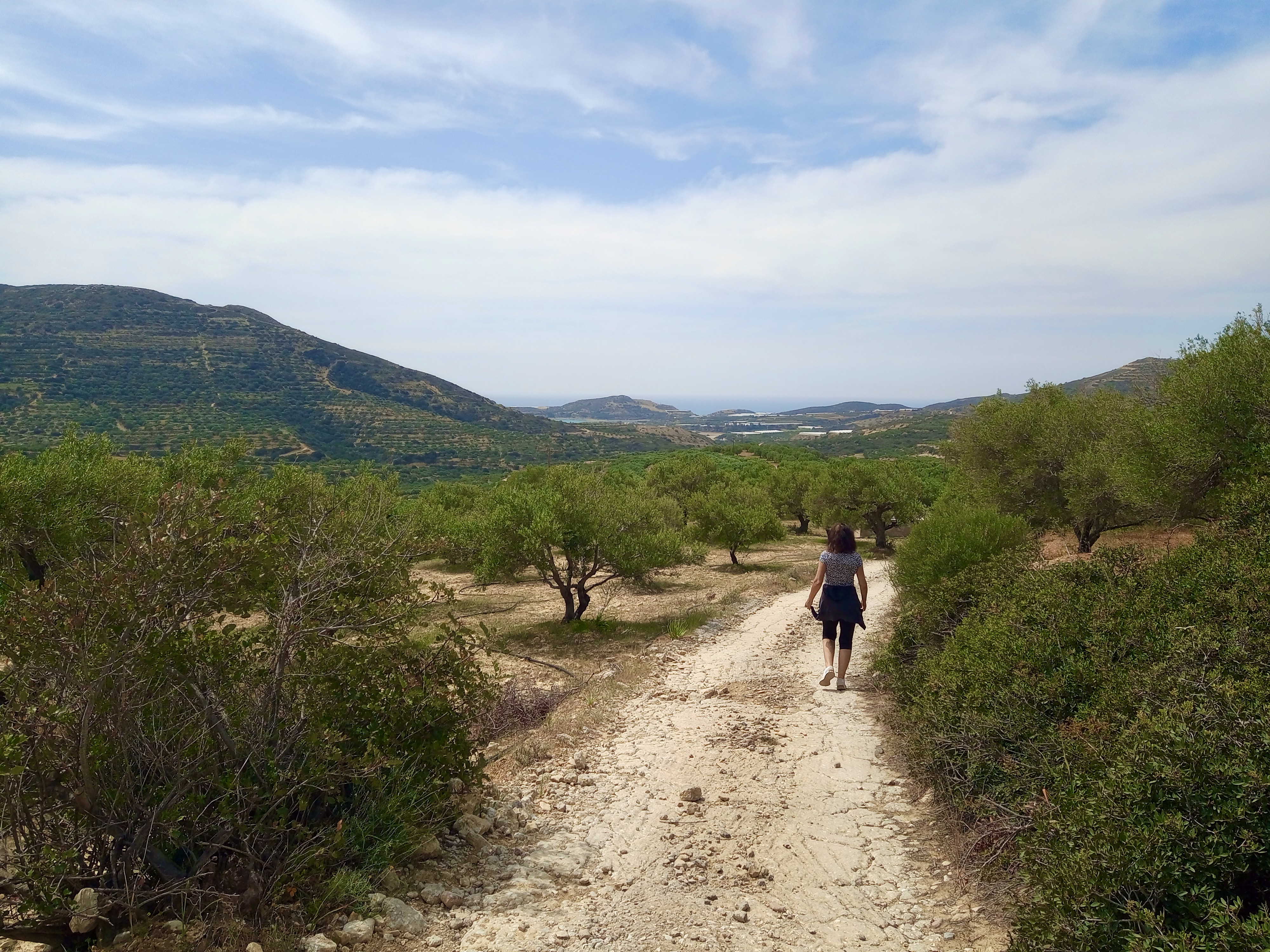
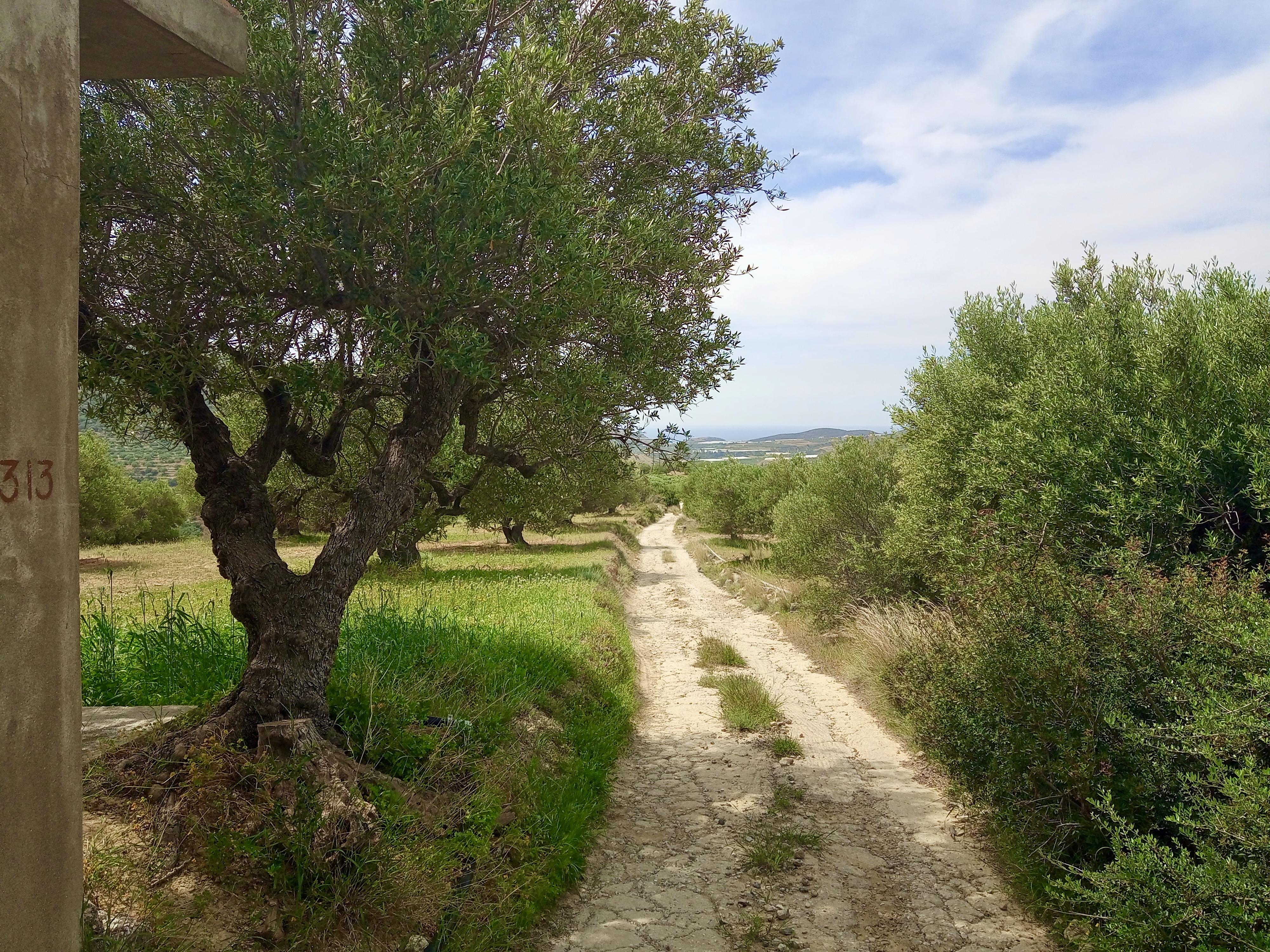
Above: These were from a walk we did on April 12th. I love the middle one, because it really draws your eye into the distance. Least, I think so!

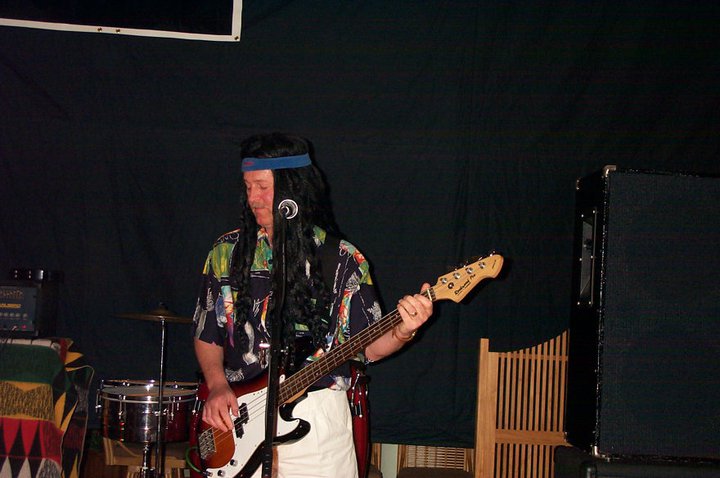
Finally, for your amusement, below are a couple of shots from the past. The first is from when I was in the Raggamuffins in South Wales UK, a reggae band set up by my good friend Howie Grey from Trinidad and Tobago, who lived in South Wales around the time we did, but now lives back in the Caribbean with his wife Marilyn. Those fake dreadlocks were full of static electricity and we took them off after one number! The second was taken at Feraklos Castle, between Haraki and Agathi Beach on Rhodes. I’m pointing across the bay to what’s known as Red Sand Bay, which is only accessible by boat.

Click HERE to go to my Amazon Author Page. There you can browse all of my written works.

Out of the way places

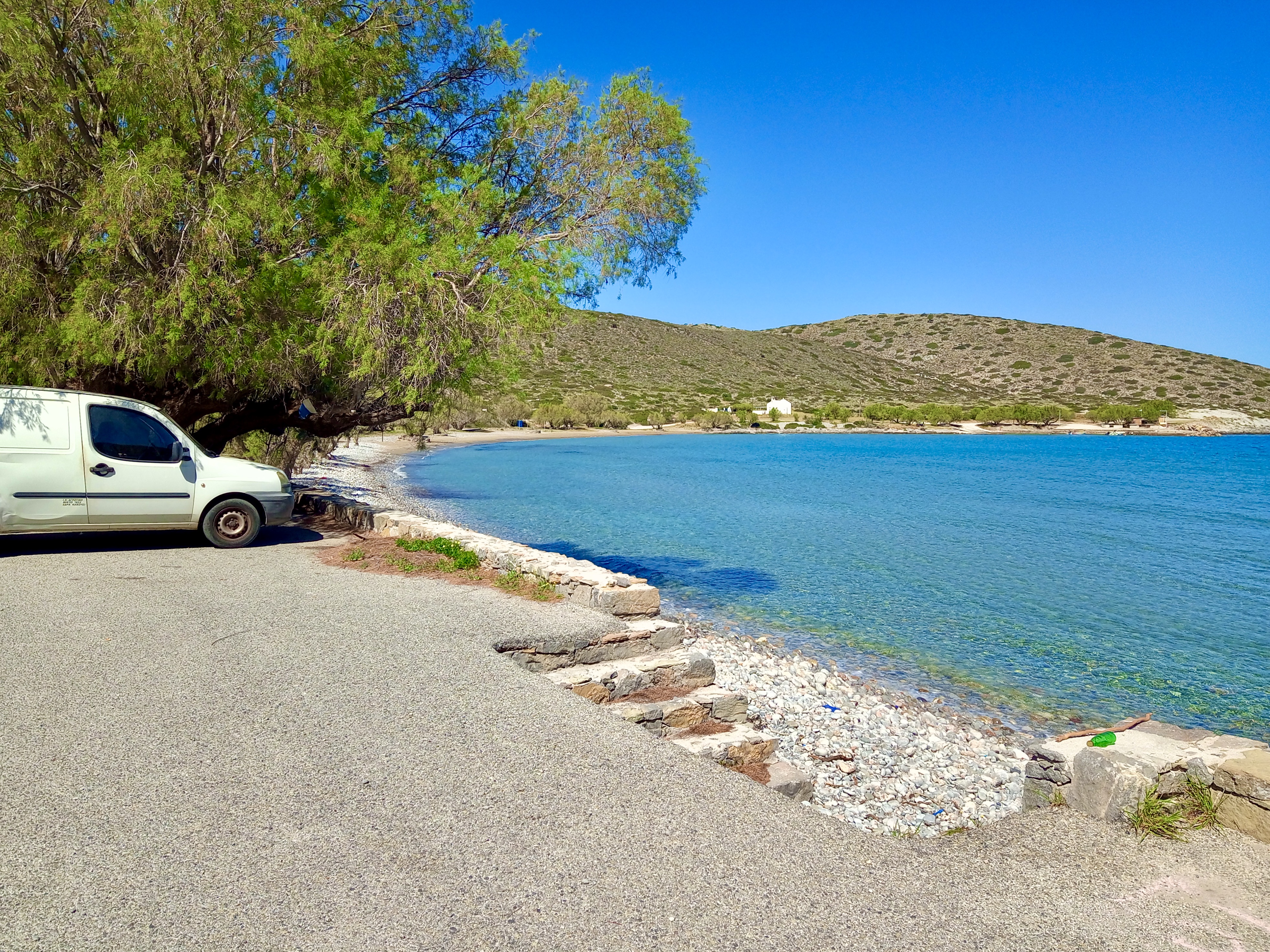
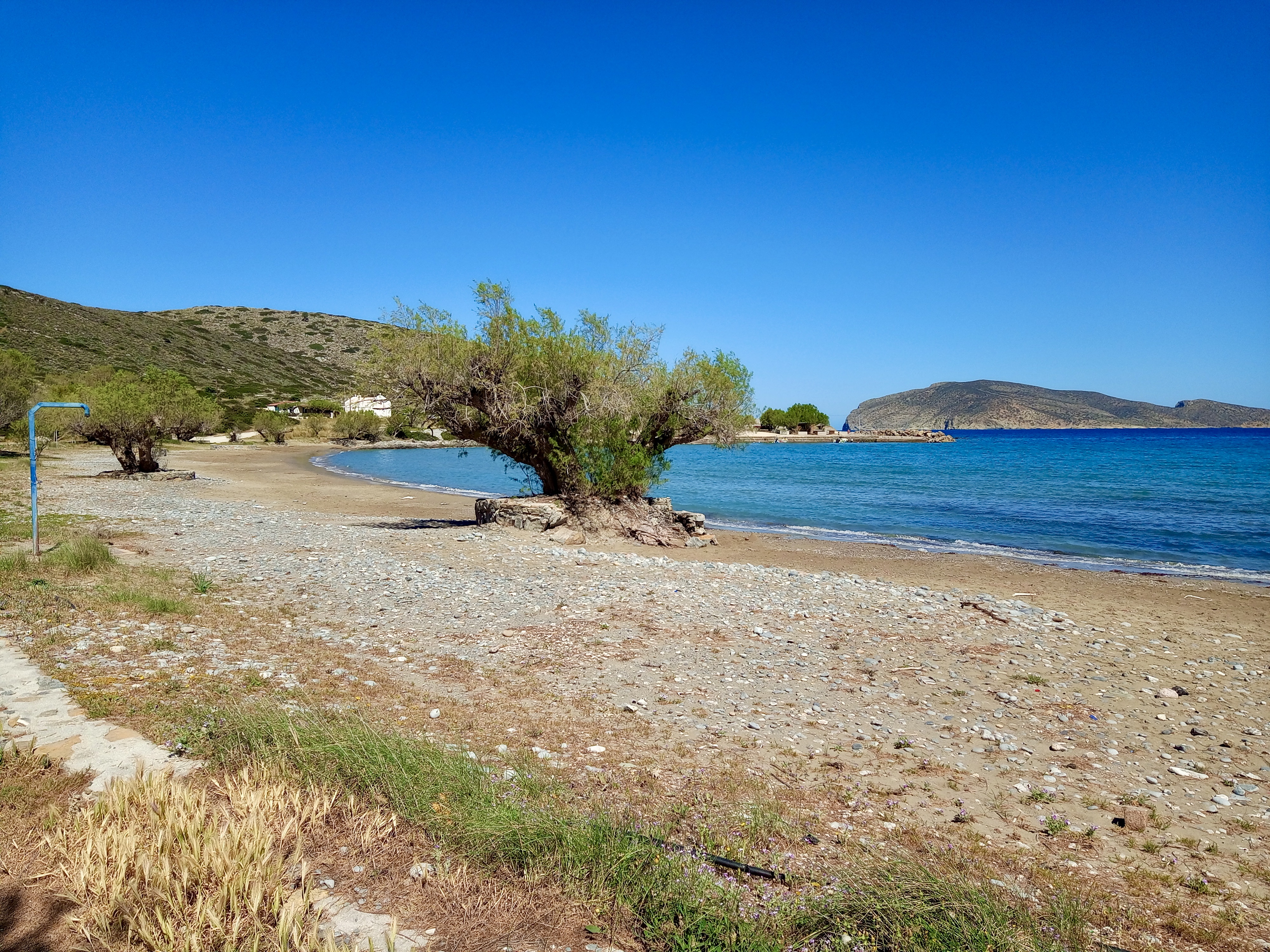
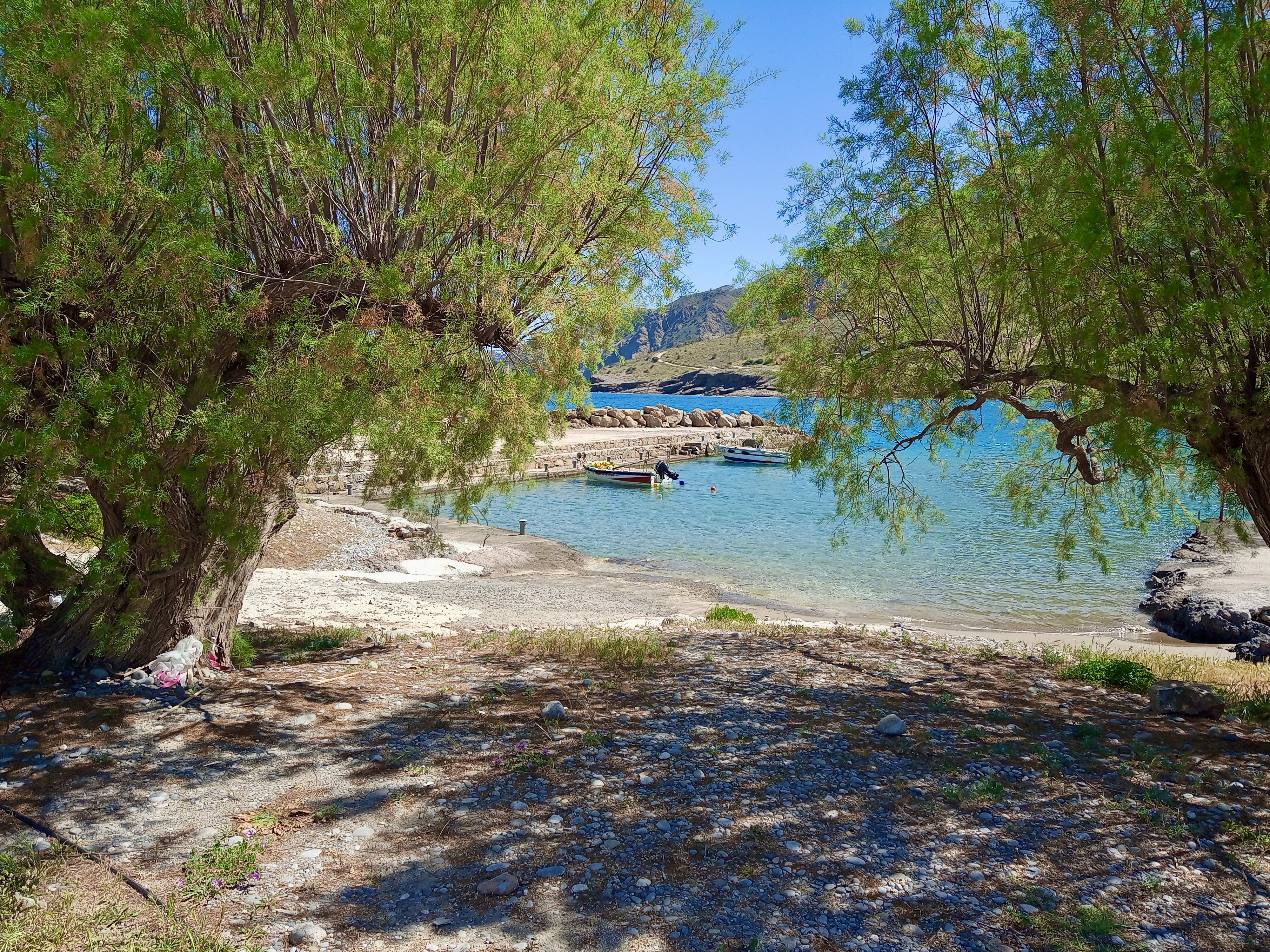
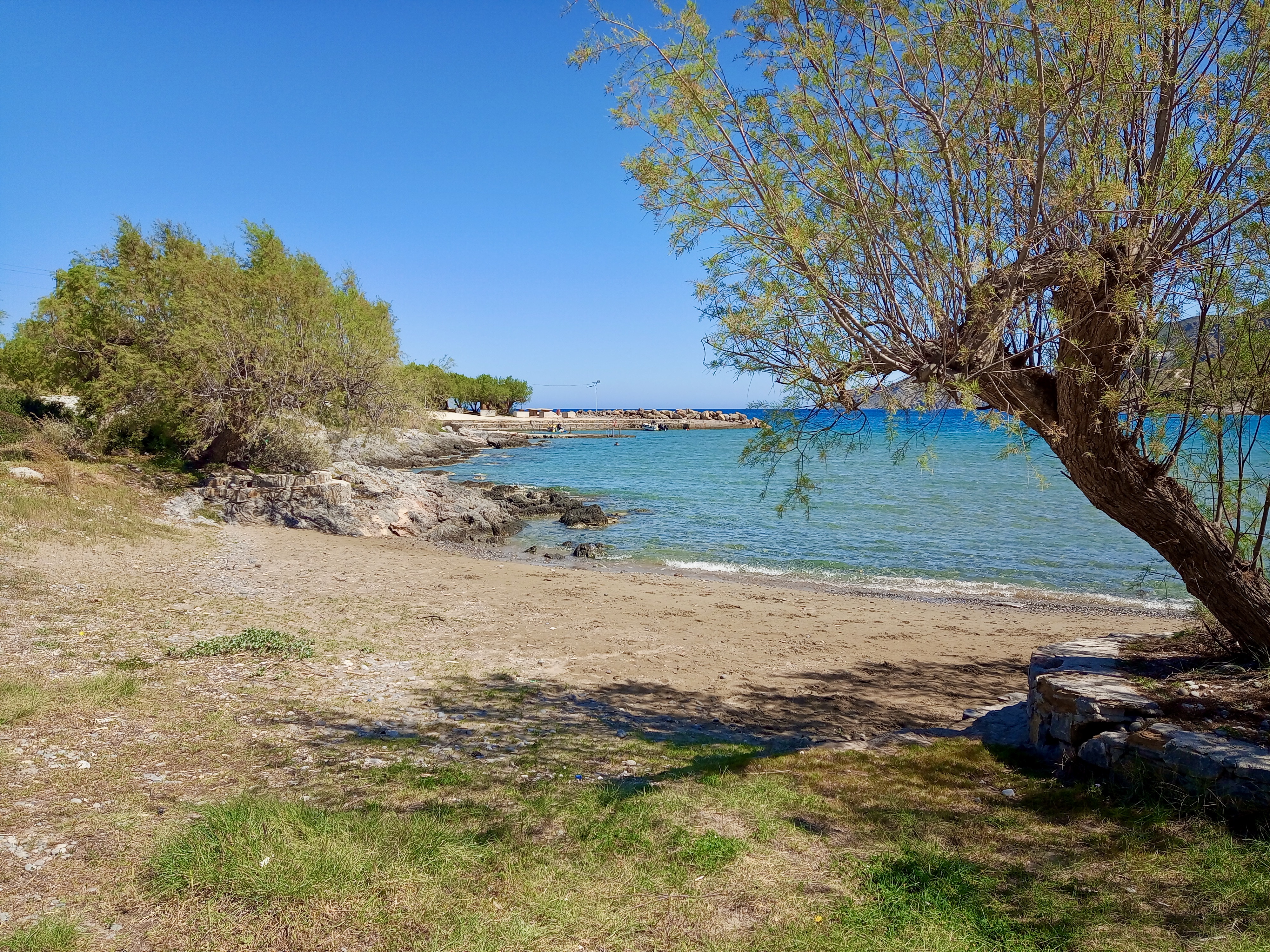
On my Facebook ‘Books’ page I recently posted a photo taken at a tiny little bay called Tholos which is only accessible by a lane that runs down from the village of Kavousi, here in Lasithi. I mentioned that I’d soon post the rest here on the blog, so here they are. Since moving here to south-eastern Crete almost five years ago, we’ve been struck by just how many little hideaways there are within easy driving distance of home. Lasithi’s only true tourist hotspots are Agios Nikolaos and Elounda, and the rest of the ‘county’ thrives more in agriculture than it does on tourism. There are a couple of small resorts too, like Sisi on the north coast, and Makry Gialos on the south coast about 20 km east of Ierapetra, but even these are small and not at all overcrowded. Sitia gets some holidaymakers, but these are primarily French. Sitia has its own airport, as you probably know, but road-wise it’s so far away from anywhere that it has the effect of keeping tourism in check at a sensible level, I’m rather glad to say.

What’s lovely about Tholos is the fact that it’s just far enough away from anywhere not to get too commercialised, and yet there is a beach restaurant down there which is open during the season for those intrepid enough to find it. There is a small jetty at one end of the beach where one or two boats tie up, and the beach itself is mainly yellow sand and very shallow for safe bathing. At this time of the year it’s a paradise, although there are some umbrellas and sunbeds down there during the season (we saw them stacked up). By the looks of what we saw when strolling along the beach on Friday April 5th during the late morning, I’d still say that it’s never overcrowded, even in high summer.

When we reached the harbour end, a Greek chap of probably around seventy years of age approached us to engage us in a friendly conversation. His name was George and, like so many Greeks of his generation, he’d spent many years away from his ‘katagogi‘ [place of origin] owing to his having been a policeman in both Athens and Heraklion for the length of his working career. He’d recently retired and, since he [of course] still had a house in Kavousi, he’d recently returned home to enjoy his golden years. When he was young, he told us that the hills around Tholos Bay had been rich with wheat, barley and potato cultivation, all of which was now gone. “Nowhere stays the same, I suppose,” he said with a copious helping of melancholy in his voice. As we stood on the concrete jetty and looked across the bay toward the steeply sloping mountain on the other side, he told as about the new villas that had been built there. Fortunately, the regulations in those parts stipulate that a new build has to have a pretty generous parcel of land around it, to avoid overdevelopment. He did tell us how much land each new house had to have, but I can’t remember the exact figure now, but it’s measured in ‘stremmata,’ of course.

“You see those villas there,” he said, pointing at some rather swish-looking buildings low on the hillside, within easy walking distance of the sea, “they’re built for Germans, Scandinavians, etc., who only come here for their holidays.”

Above: The villas that our friend was referring to are those to the right of the bay, whereas the harbour is out-of-shot to the left. OK, so the existence of these buildings testifies to the fact that tourists have indeed discovered Tholos, but it’s still fairly evident that the whole thing is as yet still low key. As we bade George ‘kali syne’heia,’ he went his way to a pickup truck that was waiting for him, leaving us with a faint sense of sadness that he knew that his beloved home village and bay, although still lovely, was now nothing like it had been in his childhood years. It’s the same story the world over, though, right? All in all, though, we rather liked the place and the fact that it’s another beauty spot that’s yet to be overrun by mass tourism, one of many that we’re fortunate to have dotted around the county that we are so blessed to be living in.

Here are the rest of the photos from Tholos…

After leaving Tholos, we drove back to Pachia Ammos for a coffee in the rather cozy little coffee bar called ‘Take a Break.’ It’s almost exactly opposite the souvlaki house (a glorified wooden hut) that was converted into a petrol station for one of the episodes of the excellent TV series ‘Cartes Postale from Greece,’ which is really well worth watching if you haven’t yet seen it. The ‘Take a Break’ is the ideal spot for passing truck drivers and sales reps to stop by for a coffee because, not only is it right beside the busy Sitia-Heraklion road, but it’s right across from a large parking area that backs onto the beach. The photos below were taken at the ‘Take a Break’…

In the first of those two you can just make out the Souvlaki house between the two white cars across the road. In ‘Cartes Postales’ that Souvlaki House became a petrol station, outside of which the main character caught the bus a few times. I’ve mentioned this before, but we actually drove past the spot while they were filming and, in the episode in question, our car can be seen fleetingly as it passes on the road during one of the scenes at the petrol station.

We’re trying to make room for more brief excursions this year, during which we’ll seek out those out-of-the-way places that dot the area around Ierapetra. As and when we do, I’ll of course snap away and share the images on future posts. It’s so easy to get up in the morning, tidy the house, make the bed, wash up the breakfast things and then get busy either in the house or garden and, before we know it, another day, indeed series of days, has passed and we haven’t been anywhere. I’m not complaining, because it’s a nice life, but when there are so many worthwhile places to visit, we do feel that we ought to make more of an effort now and then.

Click HERE to go to my Amazon Author Page. There you can browse all of my written works.

Reflections on the relentlessness

Ierapetra Harbour, Sunday March 31st 2024

Time marches ever onwards, eh? It’s quite sobering to think that, come September, we shall have been living here on Crete for five years already. We have seen most of our near neighbours during this past few days, largely because we’ve been perched on our garden wall sanding down and repainting the picket fence, as I mentioned in the last post. Yesterday Manolis, who lives a few doors along from Angla’i’a and Giorgo, came shuffling down the steep lane. It was agonising to watch him shifting his walking frame (what the Greeks call a ‘Pi’ owing to the fact that it’s shaped like the Greek letter ‘p’) a couple of centimetres at a time, yet also inspiring in that he never gives in. He’s ninety this year.

Our nearest neighbours across the lane, Evangelia, and her daughter Maria (who lives above her mother), have shared a few brief neighbourly chats with us too. Evangelia came over to give us a bag of freshly laid eggs from her chickens (those whose daily cluckings are the soundtrack to our daily lives when we’re in the lower garden) and, much as expected, didn’t hand them to me, but rather placed them on the wall in a paper bag for me to pick up. We learned about that little superstition from Angla’i’a some years ago now (see this post). In fact we reflected over our coffees that when we’d first arrived in the village we’d come to know no less than seven people who were already in their eighties, and, thankfully, they’re all still with us.

What brought us up with a start, though, was the thought that, since Giorgos, Manolis, Evangelia, Filia, Sofia, Poppi and Despoina were all aged from around 84 – 90 when we arrived, they must all now be either very close to ninety or already there. When you’re five years old, one year is an awfully long time, isn’t it? In a funny kind of way, that also applies when you’re an octogenarian, because one year when you’re eighty-five can bring all kinds of unexpected, and usually unwelcome, events. Advancing one year in age when you’re close to ninety must surely make you think you’re pushing your luck. What we found encouraging, though, when musing over this relentless pushing forward of time, was the fact that the village is a place of longevity, evidently. Giorgos, Angla’i’a’s hubby, told us not long after we’d moved in and asked them about the quality of the tap-water here in the village, that he’d been drinking it neat for 85 years and he was doing OK on it. We’ve since dispensed with our filter (which had the added bonus of saving us a small fortune, since your average Brita filter or equivalent costs here in Greece three to four times what you pay in the UK) and are content in the knowledge that the mountain above us is the natural filter for the water we drink here.

Another health benefit of living in the village is the fact that, apart from us, everyone has their own horafi (field) where they grow a selection of vegetables for the table, plus keep a few geese, chickens, turkeys and the like. We, of course, receive the benefit of all the abundance that nature provides, and just this past week have been given a huge selection of fresh produce, including eggs, from several different neighbours. You only have to bump into someone for them to insist that you wait before moving on, while they nip into the house and re-emerge with a bag full of goodies (aubergines, tomatoes, cucumbers, lettuce, peppers…). Almost makes it worth planning a stroll around the village if we find ourselves running out of any of those. Oh, and if we speak to Christina, she then rocks up at the house the next day with a bag full of freshly made pastries for the freezer, all of which just need popping into the oven for a few minutes before gracing a plate on the dinner table.

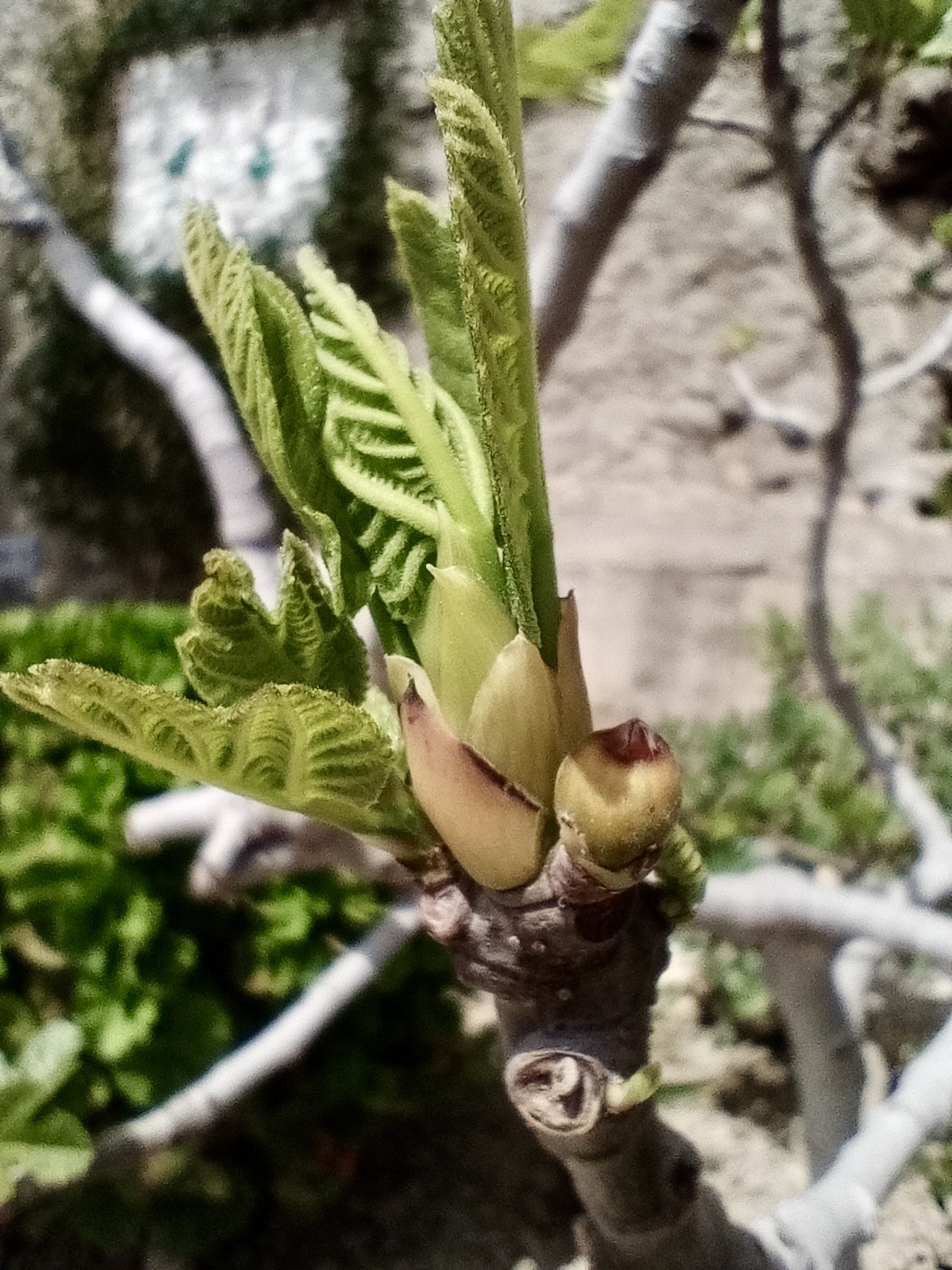
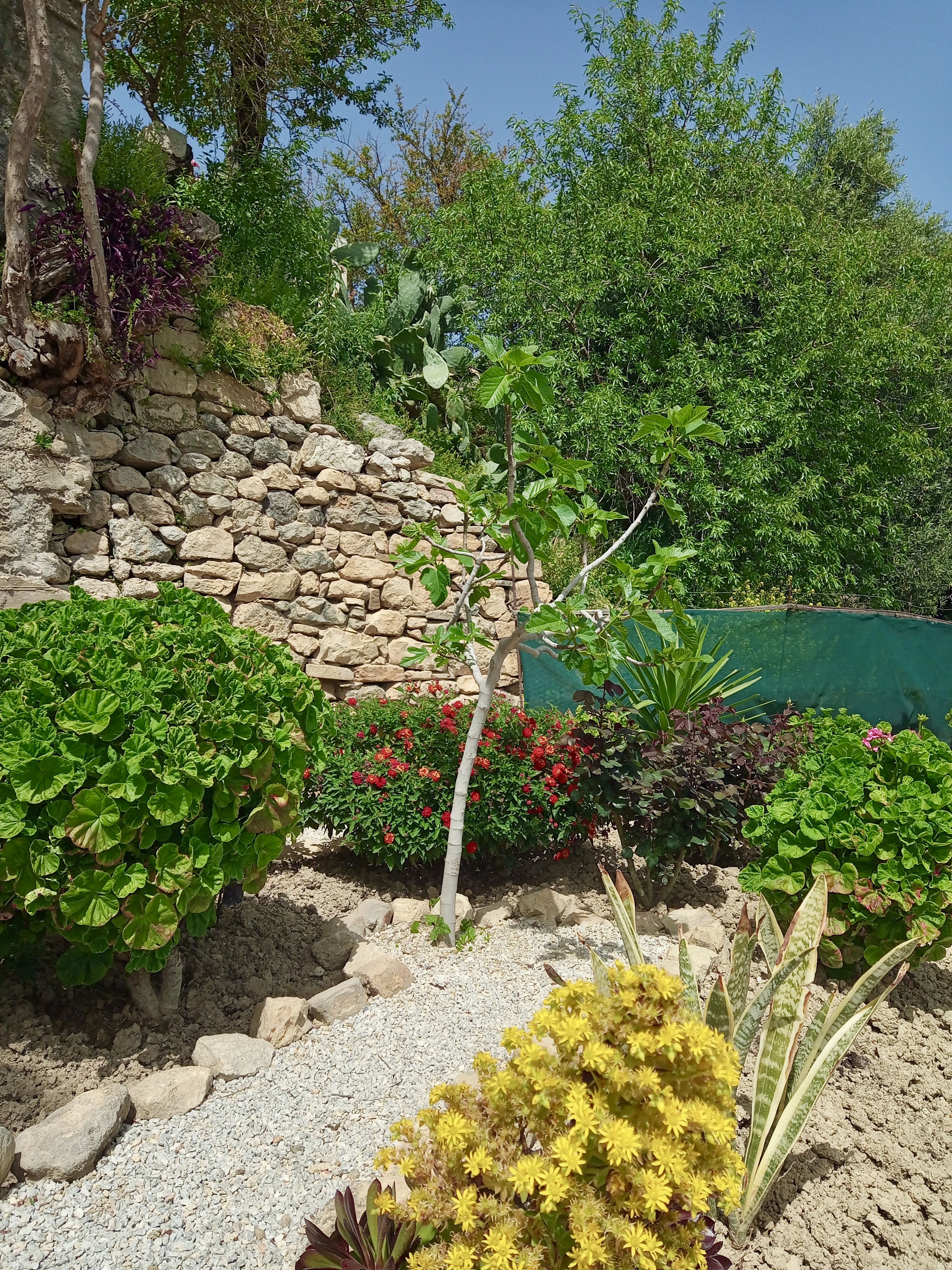
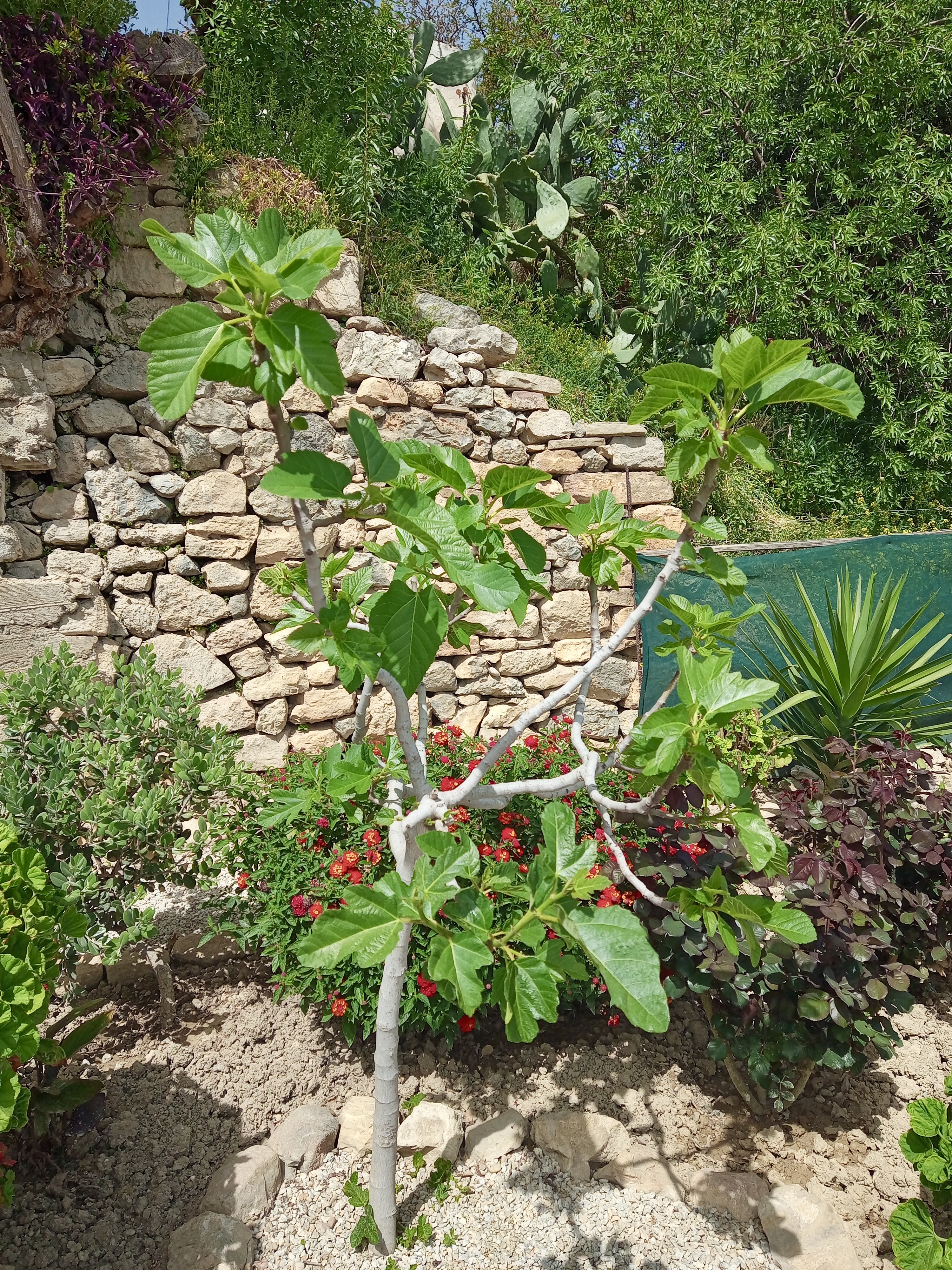
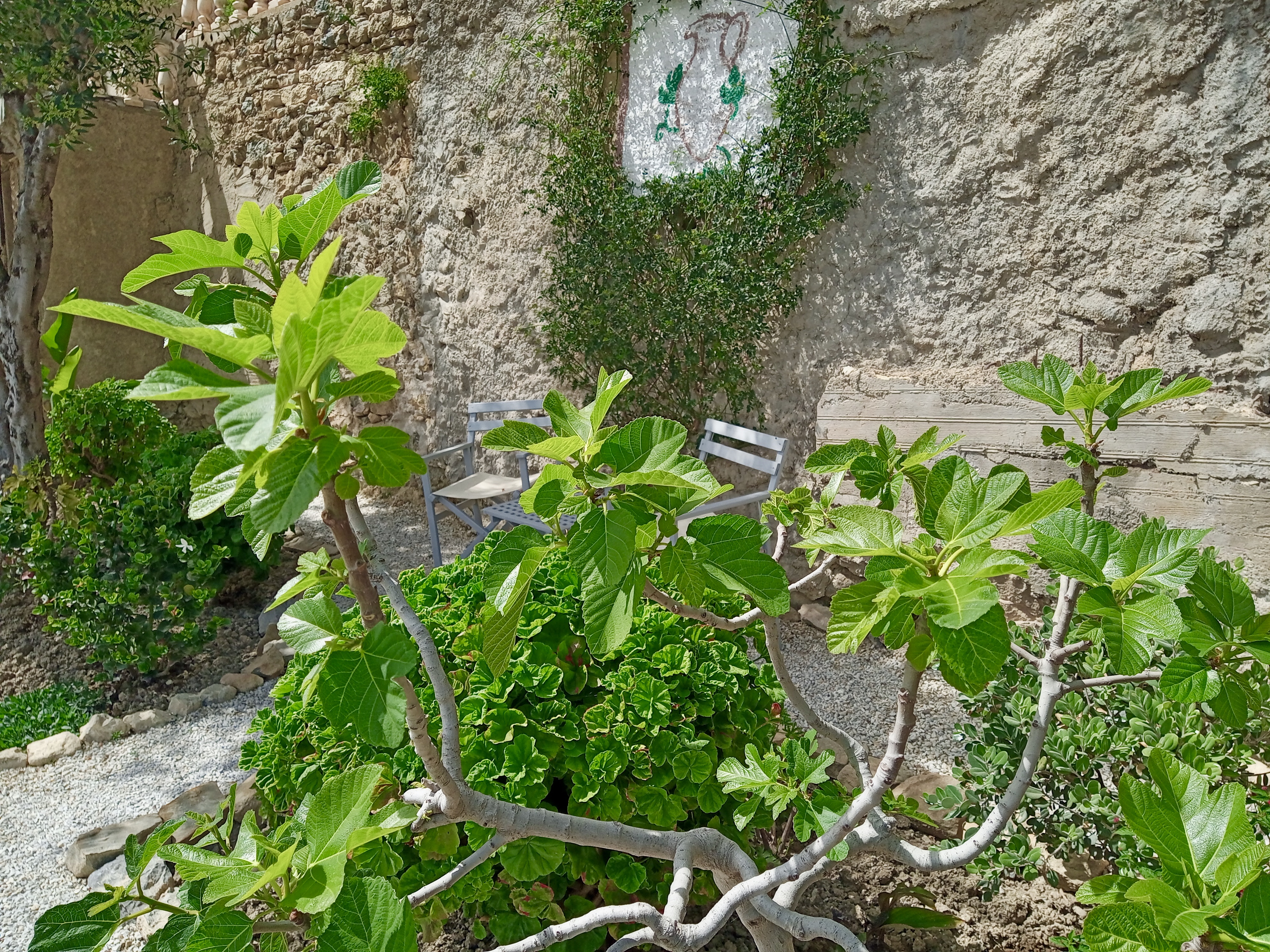
So, all in all, we can’t complain. This past week or so it has been unseasonably warm too. We’ve had June temperatures, a marked change from last year, when all through March, April and even into early June the changeable weather continued. The garden’s literally bursting with new growth. Here are some photos as proof of that. Firstly, look how quickly the fig tree is blooming, and the figs that we shall be eating come July are already in evidence, currently about the size of a pea. These photos represent the changes in just two or three days…

Here’s a selection of lovely shots around the garden this past few days…

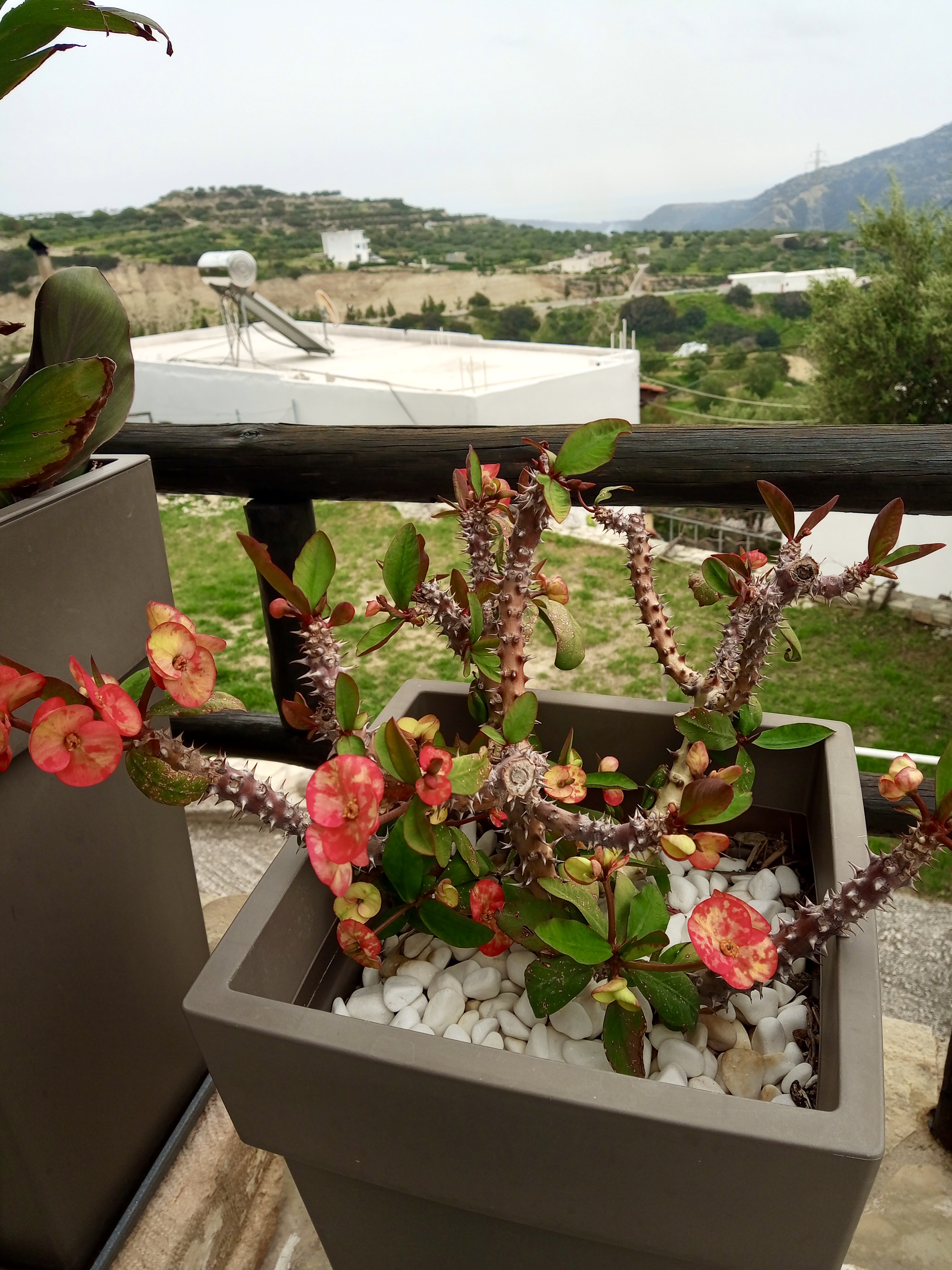
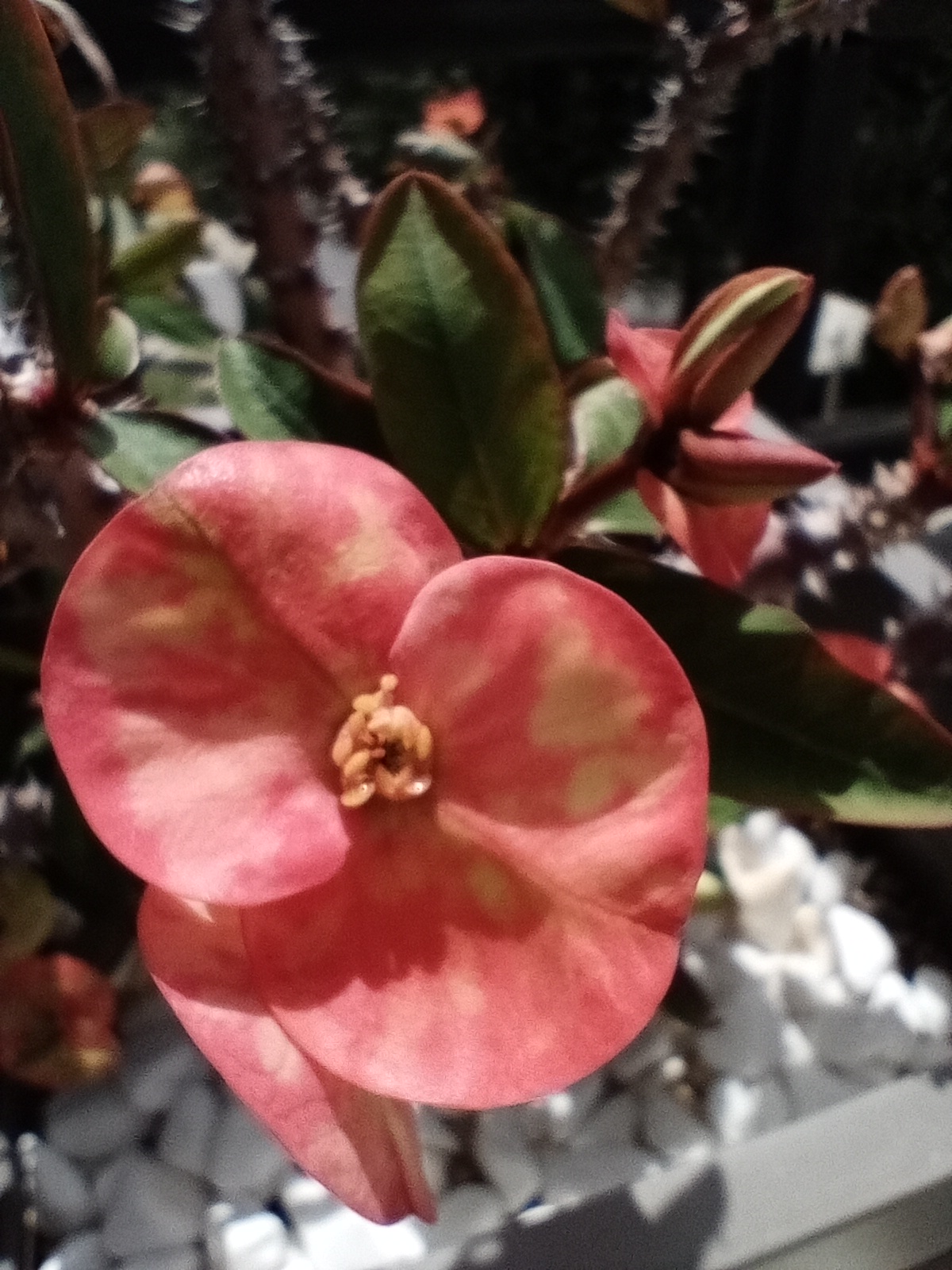
The plant below is evident in pots in most gardens in this area, largely because it’s a near-impossibility to kill it. It needs very little water and flowers most of the time. It’s common name is ‘Crown of Thorns,’ for obvious reasons. Not a lot of people know, though, that it’s actually a plant in the Euphorbia family. You’d never think so at first glance though…

Finally, to round this one off, some shots taken last Sunday morning, before we first took a swim and then sat at the L’Angolo on the sea front for lunch…

Click HERE to go to my Amazon Author Page. There you can browse all of my written works.

Noise Pollution

We’ve been perched on the wall around the lower garden painting our picket fence. I know, ‘picket fence,’ sounds all very ‘Anne of Green Gables’ doesn’t it, or maybe ‘Little House on the Prairie.’ It’s true though, around the lower garden we have a wooden picket fence and, in the four and a half years since moving in, we’ve only painted it once, and so it’s in need of another protective coat, after first receiving a good sanding, that is. We’re both very familiar with the regular sounds of the village and surrounding area now, and in general we like what we hear. What our ears are assailed with is predominantly natural in origin, although the occasional rotavator or chainsaw must be added into the mix. As a rule though, when we’re outside pottering, the main components of the audible recipe that we listen to are Evangelia’s chickens, the squabbles of the local feral cat population, birdsong (particularly impressive in the spring, and year-round featuring Griffon Vultures and Buzzards with their eerie plaintive cries), and the local shepherd’s large flock of sheep. Oh, and the occasional dog’s bark.

I’ve mentioned before, I’m sure, that we’re well familiar with the daily goings and comings at Maria and Dimitri’s house, just below ours. Dimitri rises around 5.00am most days and the tiny square bathroom window, the only window in the rear wall of their house, as it sits a few metres lower than our veranda and twenty metres away, lights up at around 6.00am as he prepares for another day’s tending the animals and crops that are his lot in life. His cousins and brothers all farm with him and they drive a selection of pickup trucks in various states of repair. Usually one of them turns up at around 7.00am and, if I’m prowling around outside, which I do tend to do a couple of times a week when I’ve woken up too early for decency, I’ll hear the rattle of the diesel engine as it arrives in the steep lane outside the house, whereupon Dimitri will usually emerge, they’ll talk about what their tasks are for the morning, before Dimitri mounts his quad bike and trundles off to some hillside in the near vicinity, and his brother/cousin (I hate to admit this, but they all look the same to me) does the same in the pickup.
At between 10.30am and 10.45am, never varies, one pickup and Dimitri’s quad will return and again pull up in the lane right outside Maria’s modest little veranda, and either Dimitri or his brother/cousin (whoever arrives first) will simply shout ‘Mama!!!’ from the driver’s seat. The idea of actually dismounting the vehicle and going in through the front door, which is all of ten feet away, never seems to cross their minds. We believe it’s the signal for Maria to get the coffee on and the boys will then hang around for twenty minutes or so, usually finally having gone indoors, before starting part two of their working day. The pickup is often then hosed down with a hosepipe that’s permanently coiled up on the veranda, before the driver and pickup set off again. Sometimes they’ve been shifting compost in it, sometimes feed, occasionally they’ll have a small lamb in the back, which they’ll leave there while they take their coffee, the tiny mite bleating all the while for motherly attention. 

The next time that a pickup (one of the three in the team) arrives it’ll be the cousin who’s addicted to Cretan music. His pickup is the smartest of the three and sports a pretty impressive set of alloy wheels. He charges up the lane, both windows open fully, Cretan music blasting out from the cab. He turns it around at the bottom of our drive, then parks it up beside the wall at Maria’s, when he’ll then jump out and start cleaning any filth from the day’s activities off of his baby. 

Are you familiar with Cretan folk music? They actually invented what DJ’s nowadays refer to as the ’12-inch mix,’ I’m sure of it. I don’t think I’ve ever heard a song that doesn’t last for a quarter of an hour or more, seriously. The band is usually composed of a lyra, then a kind of triangular lute that sounds like an acoustic guitar when strummed, a drum that’s hit with both sides of the hand or with the use of a small stick (startlingly in common with some Irish traditional drums, in fact) and a wind instrument, sometimes like a small clarinet, and sometimes made of an animal’s stomach lining (this one’s got a fair bit in common with the bagpipes of both Ireland and Scotland). The rhythm’s usually a kind of tum tum, tee-tum, tum tum, teetum and the tempo can vary slightly, it’s true, but to the untrained ear an hour’s music could sound like it was all the same song (often is). The singer will often resort to simply shouting the words, or when he does sing them, they sound like he’s making them up as he goes along. After every ‘verse’ there will be instrumental burst, and these passages can be extended for as long as the band deems necessary. It’s during the instrumental breaks that the singer (and others I suppose) will add the occasional ‘Oooaaahh!’ or perhaps an ‘Ela!

It seems to me, too, that the majority of the recordings we hear of Cretan bands in full swing are done live at some event or other, and in the villages perched on the hillsides of Lasithi there’s no shortage of such live events all year round. Walk through Ierapetra any time of the year and you’ll see fly posters on walls, electricity posts and dedicated noticeboards advertising the next shindig, and telling you in which village it’ll be taking place. Don’t expect a bouzouki, that’s all I’m saying.

So, there we are, rhythmically ‘feathering’ with our brushes as the fence gradually turns whiter than white, and one of the hens in Evangelia’s yard across the lane lets out a particularly loud ‘Aaaaaw, puk puk!’ – causing Yvonne to shout, addressing herself to the offending fowl, ‘Shut up!’ Noticing the surprise with which I stare at her, she says, addressing herself to me this time, ‘Well, they never shut up, do they?

‘No,’ I reply, ‘but I’d say they’re mildly less irritating that Saturday night drunks calling out in their foul-mouthed way as they trek home through our housing estate in the small hours on a Sunday morning, or the constant background drone of a busy road, where trucks, buses and cars are constantly passing this way and that, aircraft noise from a busy airport or trains on a nearby mainline, the couple next door making a particularly ‘loud’ job of whatever it is they’re doing, maybe…’

‘All right, point made!’ She says, no doubt recalling as I do that at various points in our long married life when we’d lived back in the UK, those sounds had indeed been our daily soundscape. Add to that neighbours who’d ‘f and blind’ with their kitchen door open while we were sat in the garden with some guests too, and you more than get why our current village soundscape can scarce be described as ‘noise pollution.’

We’ve scarcely been anywhere this past week, because I’ve had a rather virulent version of ‘the flu’ that’s been laying a lot of people here low recently. So I’ll just start by sharing a couple of photos from before the pandemic, taken in February 2020 when we’d only been here a few months, and a bunch of us went up into the mountains above Viannou to a beautiful plateau where there’s a lake called Omalou. That picnic was memorable, not least because the forest track that we negotiated to get up there and back almost destroyed my car…

The photo below was taken on Spinalonga, with my sister Jane and her hubby of over fifty years Martin. This was October 2nd 2020. Last week Martin died after a valiant and protracted battle with the big C. My sister has a lot to deal with right now, and we’ll be heading over to the UK just a little later this summer to help her with a lot of the practicalities of sorting her life out.

User Comments

The one below is of us with Martin when he and Jane were here in Ierapetra with us in October 2020. Despite being a very accomplished photographer himself, Martin was never all that comfortable in front of a camera and found it hard to smile when having his picture taken. So I especially like this one, because he does indeed exhibit the traces of a grin in it…

Last of all, a couple taken at what is surely one of our favourite locations for a taverna, the ever lovely Hiona Restaurant at Palekastro…

You may recognise that one on the left, since it served as the front cover image for my book ‘A Slightly Larger Motley Collection of Greek Oddities,’ published in 2022.

Click HERE to go to my Amazon Author Page. There you can browse all of my written works.